If you are searching for a HyperX SoloCast 2 review, the short version is that this mic is built for people who want a simple desktop setup without bolting on extras.
It is a compact USB condenser mic that emphasizes cleaner voice pickup, easy mounting, and low-friction setup.
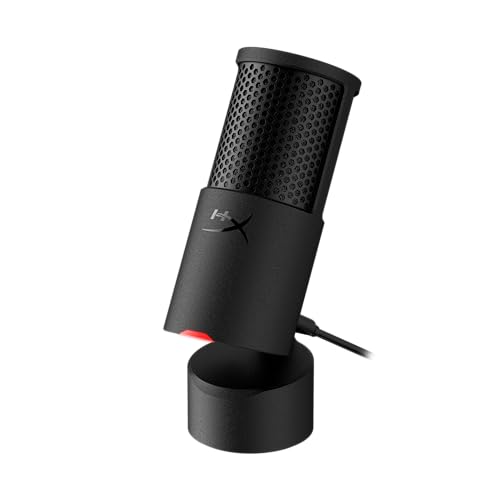
SoloCast 2 Review Summary
The HyperX SoloCast 2 makes sense for streamers, gamers, and remote speakers who care more about clear front-facing voice capture than about a feature-heavy recording rig.
It is especially appealing if you want an all-in-one mic with a built-in pop filter, internal shock mounting, tap-to-mute control, and plug-and-play USB-C to USB-A connectivity.
Its biggest strength is simplicity.
HyperX is clearly aiming at buyers who want a clean desktop microphone that can be used right away, while still offering enough control through NGENUITY software to shape the sound when needed.
The tradeoff is equally clear: this is not a studio-style mic for people who want maximum tweakability, multiple pickup patterns, or a complicated recording workflow.
Review Scorecard
| Category | Score | Why it earns that score |
|---|---|---|
| Voice clarity potential | 8/10 | Cardioid pickup and a 24-bit / 96kHz condenser capsule point to focused vocal capture. |
| Noise control design | 8/10 | Built-in pop filter plus internal shock mounting should help with desk noise and plosives. |
| Ease of setup | 10/10 | Plug-and-play USB-C to USB-A connection and integrated stand make it easy to start fast. |
| Desk-friendly design | 9/10 | Compact form factor, weighted base, and tilt-adjustable stand suit small setups. |
| Control and customization | 7/10 | Tap-to-mute and software filters are useful, but the feature set stays intentionally simple. |
| Mounting flexibility | 8/10 | Built-in 3/8 inch and 5/8 inch threads add useful arm-mount compatibility. |
| Value for focused buyers | 8/10 | The design concentrates on practical essentials rather than add-ons you may never use. |
Key Features and Specifications of SoloCast 2
The SoloCast 2 is a gaming-oriented USB condenser microphone with a cardioid polar pattern.
That combination matters because the mic is designed to take sound mainly from the front while reducing pickup from the sides and rear, which is the right default for a spoken-voice desktop mic.
The listing also highlights a built-in suspension system, which HyperX presents as shock-mount-like protection inside the body.
In practical terms, that should help reduce vibration transfer from the desk or stand without asking the buyer to buy a separate shock mount.
Other notable features include:
- USB-C to USB-A connectivity for plug-and-play use
- Built-in foam pop filter
- Tilt-adjustable stand with a weighted base
- Internal shock mount system
- Tap-to-mute control with LED indicator
- NGENUITY software support for high-pass, low-pass, and voice enhancement filters
- 3/8 inch and 5/8 inch threads for compatible mic arms
- 24-bit depth recording at 96kHz sampling
The feature mix is more practical than flashy.
HyperX is not trying to overwhelm the buyer with a long control surface or studio menus.
Instead, it is packing the essentials into the mic body itself so a newcomer can get usable sound quickly.
For many desktop users, that is more valuable than a technically richer mic that needs extra accessories to behave well.
Because the stand is tilt-adjustable and weighted, the mic should be comfortable for a monitor-side or keyboard-adjacent placement.
That matters if you game, chat, or work from the same desk and do not want the microphone to feel like a separate project every time you sit down.
Pros and Cons of SoloCast 2
Pros
- Simple setup with no real learning curve
- Built-in pop filter and internal shock mounting reduce the need for add-ons
- Cardioid pickup is well suited to focused voice work
- Tap-to-mute with LED feedback is convenient for live use
- Compatible with mic arms through standard threads
- Compact, weighted, tiltable stand should fit small desks well
Cons
- Buyers wanting deep studio control may find the feature set limited
- The single cardioid focus is best for one speaker, not multi-person room capture
- Software filters are useful, but they do not replace a more advanced recording chain
- The all-in-one design is practical, but it is not the most flexible path for hobbyists who like to customize every piece
The main thing to understand is that the SoloCast 2 solves one specific problem well: it tries to give you decent-sounding, low-hassle voice capture in a compact body.
If that is the problem you have, the pros outweigh the drawbacks.
If you want a microphone you can grow into as a serious recording platform, you may eventually outgrow it.
Who Should Buy SoloCast 2?
The SoloCast 2 is a good fit for gamers, streamers, students, remote workers, and casual creators who want a straightforward desktop mic.
It also makes sense for someone building a neat setup around a single voice source and who values clean physical design more than a pile of separate accessories.
It is especially appealing if you want to avoid the common beginner mistake of buying a mic, then realizing you also need a stand, a shock mount, and a pop filter before it sounds acceptable.
HyperX has already built those essentials into the product.
You should probably skip it if you need a microphone for multiple speakers around a room, want a more expansive studio workflow, or prefer a mic with more advanced controls than the included software filters and tap-to-mute behavior.
In other words, this is a smart buy for focused solo voice use, not a universal audio tool.
How the SoloCast 2 Fits a Desktop Setup
Built for a Clean Desk
The compact body and weighted base make this feel like a microphone that belongs on a gaming or work desk rather than a studio boom arm first.
That is useful if your workspace is limited and you want the mic to be present without being intrusive.
Tuning Without Complexity
NGENUITY support adds high-pass, low-pass, and voice enhancement filters, which gives the buyer some room to refine tone without diving into a complicated recording stack.
The important point is that these controls are optional; the mic remains usable even if you never open the software.
A Practical Live-Use Design
Tap-to-mute with an LED indicator is one of those features that sounds minor until you actually need it.
For streaming, meetings, and voice chat, quick mute access can be more useful than a long list of extras you rarely touch.
Mounting Flexibility When You Need It
The built-in 3/8 inch and 5/8 inch threads widen the SoloCast 2’s appeal beyond the stock stand.
If you later move to a boom arm, you are not locked into the original desktop arrangement.
Alternatives to SoloCast 2
If you want to compare similar Amazon-available options, start with a few established USB mic lines.
Blue Yeti is the obvious name to compare if you want a widely known USB mic with a different approach to desktop recording.
Razer Seiren Mini is worth considering if compact size is your top priority.
FIFINE is a useful budget comparison brand if you want to check how much the SoloCast 2 is adding in integrated features.
Elgato Wave mics are a better fit if your priority is creator-oriented audio workflow rather than a simple plug-and-play microphone.
The right alternative depends on what problem you are solving.
If you mostly want a tidy microphone that removes setup friction, the SoloCast 2’s integrated approach is the main reason to look at it first.
If you want more advanced audio options or a more established creator ecosystem, one of the alternatives may fit better.
Is SoloCast 2 Worth It?
Yes, if you want a compact USB microphone that prioritizes convenience, front-focused voice capture, and built-in practical features.
The HyperX SoloCast 2 is easiest to recommend for buyers who want a strong all-in-one desktop mic and do not want to assemble a separate accessory stack.
It is worth it for solo voice work, gaming, and everyday communication, especially when a clean desk and fast setup matter.
If you need deeper studio control or broader recording flexibility, look at the alternatives first.