Moving beyond a beginner instrument calls for more than a polished finish. The right upgrade should support reliable intonation, comfortable keywork, consistent response, and the kind of repertoire you actually want to play.
This roundup includes concert flutes, a Native American-style option, technique resources, and intermediate sheet music so you can choose a focused next step for practice, lessons, ensembles, or performance.
Best 10 Flutes for Intermediate Players Picks for 2026
Reliable Student Upgrade
Yamaha YFL-222 Intermediate Flute
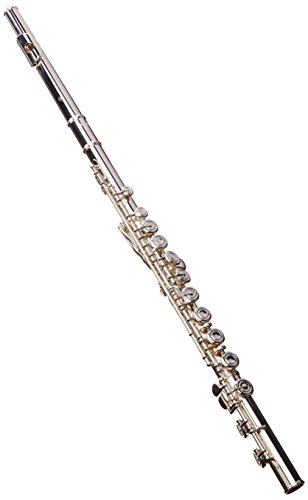
- Nickel-silver body and silver-plated keys
- Offset G system with C footjoint
- Case, cleaning supplies, and listed 2-year warranty
Best For: Students seeking a supported step-up instrument
Technique Builder
Trevor Wye Practice Book Omnibus

- Combines Books 1-6 in one volume
- Covers breath, tone, articulation, and technique
- Updated diagrams and notation across 238 pages
Best For: Structured practice with an intermediate flute
Feature-Packed Value
Glory Silver-Plated 17-Key C Flute

- 17-key open-hole C flute design
- B foot joint and offset G
- Case, cleaning rod, grease, cloth, and gloves included
Best For: Budget-minded players wanting open-hole features
Classical Repertoire Companion
50+ Greatest Intermediate Classics for Flute

- More than 50 recognizable classical melodies
- Progressive difficulty in accessible keys
- Useful for sight-reading, recitals, and practice
Best For: Intermediate players expanding classical repertoire
Handcrafted Cedar Choice
Stellar Intermediate F# Flute Package

- Warm, resonant western red cedar voice
- 440 Hz tuning for ensemble compatibility
- Includes instruction book
Best For: Intermediate players wanting a handmade Native American-style F-sharp flute
Classical Repertoire Builder
The Flute Collection: Intermediate Level

- 68 pages of intermediate solo repertoire
- Online piano accompaniment access
- Works spanning several classical periods
Best For: Students preparing lessons, recitals, contests, or private study
Play-Together Pick
Intermediate Ragtime Duets for Flutes

- 10 Scott Joplin and James Scott arrangements
- Progressive difficulty for developing players
- Duet range from low C to high C
Best For: Intermediate flute partners, teachers, and students who enjoy ragtime
Best Pop Repertoire

- 101 recognizable pop and ballad arrangements
- Clear notation with accessible phrasing
- Supports solo practice, lessons, and performance
Best For: Intermediate players seeking familiar solo songs
Best Classical Duet Book
Intermediate Classic Duets for Two Flutes

- 22 classical and traditional duet arrangements
- Melody alternates between the two parts
- Ranges from low C to third-octave G
Best For: Intermediate partners building ensemble skills
Best Themed Duets
Shanties and Sea Songs for Two Intermediate Flutes

- 26 traditional shanties and sea-song arrangements
- Melody is shared between both players
- Five-section nautical theme with lyrics
Best For: Intermediate duet partners seeking lively traditional music
Reliable Student Upgrade – Yamaha YFL-222 Intermediate Flute
For players comparing flutes for intermediate players, the Yamaha YFL-222 offers a student-focused setup with a nickel-silver body, silver-plated keys, an offset G key system, and a C footjoint. Its listed warm, rich sound profile and included cleaning supplies make it a practical option for lessons and continued development.
Best For: Students seeking a supported step-up instrument with a familiar offset-G layout and included case and care supplies.
Pros:
- Nickel-silver body with silver-plated keys
- Offset G key system and C footjoint
- Includes flute case and cleaning supplies
- Listed with a 2-year warranty
Cons:
- The supplied specifications list some inconsistent material and style details, so confirm the exact configuration before ordering.
- It is positioned as a student model rather than a professional-level flute.
The YFL-222 is a sensible choice when dependable student-oriented features and included accessories matter more than advanced professional appointments. Verify the international-version warranty terms and specifications for your region.
Technique Builder – Trevor Wye Practice Book Omnibus
Although it is not an instrument, this Trevor Wye omnibus is a valuable companion for anyone researching flutes for intermediate players. It combines Books 1-6 into a 238-page technique guide covering breath control, articulation, intonation, finger technique, tone, embouchure, and phrasing.
Best For: Intermediate players, teachers, and serious students who want a structured practice reference.
Pros:
- Combines all six practice-book volumes in one edition
- Covers tone, breathing, articulation, intonation, and finger technique
- Includes updated diagrams, notation, and page design
- Useful for independent practice, lessons, and auditions
Cons:
- It is a technique book, not a flute.
- The extensive material may feel demanding for players still building basic reading and playing skills.
This is best viewed as a development tool alongside an intermediate flute rather than an alternative to one. Its progressive exercises can help organize practice and address specific technical weaknesses.
Feature-Packed Value – Glory Silver-Plated 17-Key C Flute
For shoppers comparing flutes for intermediate players on a budget, the Glory GFL-05-SLA provides a silver-plated cupronickel body and keys, a 17-key open-hole design, offset G, and B foot joint. The package also includes a case, cleaning rod, joint grease, cloth, and gloves.
Best For: Players wanting open-hole features and a B foot joint with a broad set of included accessories.
Pros:
- 17-key open-hole C flute configuration
- Silver-plated cupronickel body and keys
- Offset G and B foot joint
- Includes case and multiple cleaning accessories
Cons:
- Open-hole keys may require more adjustment to than closed-hole keys.
- The supplied notes do not specify a warranty or detailed setup support.
- Confirm the exact included accessories and configuration before purchase.
The Glory flute offers a substantial feature list for its price category, particularly for players interested in open holes and a B foot joint. Because setup quality is important, consider arranging a professional inspection or adjustment if needed.
Classical Repertoire Companion – 50+ Greatest Intermediate Classics for Flute
This collection is a useful practice supplement for players exploring flutes for intermediate players. It offers more than 50 recognizable classical melodies arranged progressively, beginning with easier selections and moving toward more challenging pieces in accessible keys.
Best For: Intermediate flutists building sight-reading skills, recital material, or a varied classical practice library.
Pros:
- Includes more than 50 melodies by well-known composers
- Arrangements progress from easier to more challenging
- Uses accessible keys to support fluency and confidence
- Range extends from low C to third-octave A
Cons:
- It is sheet music, not a flute or accessory.
- It assumes a solid knowledge of flute fingerings and music reading.
- Some advanced selections may exceed the comfort level of newer intermediate players.
With short tunes alongside longer arrangements, this book can add variety to daily practice and provide material for sight-reading or studio recitals. It is most suitable once fundamental fingering and notation skills are established.
Handcrafted Cedar Choice – Stellar Intermediate F# Flute Package
For players seeking flutes for intermediate players with a distinctive, earthy sound, this handmade F-sharp Native American-style flute offers a warm cedar voice and 440 Hz concert tuning. The included instruction book makes it a practical step-up package for continued study.
Best For: Intermediate players who want a handcrafted cedar flute for expressive playing and guided practice.
Pros:
- Warm, resonant, full-bodied sound from locally sourced Pacific Northwest western red cedar.
- Concert-quality 440 Hz tuning allows it to work with other instruments.
- Includes an instruction book to support advancing players.
- Handmade by a small family-owned business with customer support.
Cons:
- F-sharp tuning may not suit players seeking another key.
- The listing title says a bag is not included, so storage accessories may require separate purchase.
This is a focused choice for players who value natural materials, handmade construction, and a mellow sound profile. Confirm the included storage setup and F-sharp key fit your playing needs before buying.
Classical Repertoire Builder – The Flute Collection: Intermediate Level
Among flutes for intermediate players, repertoire matters as much as the instrument itself. This 68-page collection provides classical solo works for flute with piano accompaniment, plus online audio access for practice, interpretation, and performance preparation.
Best For: Intermediate flutists preparing lessons, contests, recitals, or private study with classical repertoire.
Pros:
- Includes works by Bach, Handel, Mozart, Fauré, Barber, Gluck, Telemann, and other composers.
- Online piano accompaniment tracks support rhythmic accuracy and interpretation.
- Offers selections from multiple stylistic periods for varied programming.
- Useful for teachers, adjudication preparation, and recital planning.
Cons:
- This is sheet music rather than a flute instrument or accessory.
- The classical focus may not appeal to players seeking contemporary or popular material.
The collection is a strong repertoire investment for a developing flutist who is ready for substantial, achievable classical works. Its accompaniment access adds practical value for independent practice and performance preparation.
Play-Together Pick – Intermediate Ragtime Duets for Flutes
Players comparing flutes for intermediate players may also want engaging material for shared practice. This duet book contains 10 ragtime arrangements for two intermediate-to-advanced flautists, with progressive difficulty, syncopated rhythms, and parts spanning low C to high C.
Best For: Intermediate to advanced flute partners, teachers, and students who enjoy lively ensemble repertoire.
Pros:
- Features 10 arrangements by Scott Joplin and James Scott.
- Progressive difficulty gives the collection variety for developing players.
- Includes Two Steps, Rags, and Waltzes with jaunty melodies and complex rhythms.
- Most pieces stay within a manageable range, while notes span three octaves from low C to high C.
Cons:
- Requires two flautists, so it is not designed for solo practice alone.
- Some arrangements are tricky and may challenge players at the lower end of the intermediate range.
- The ragtime style may be less suitable for players seeking traditional classical repertoire.
This is an appealing option for building ensemble skills while keeping practice lively. The progressive arrangements offer a useful balance of approachable pieces and more demanding rhythmic or range challenges.
Best Pop Repertoire – 101 Hit Songs for Flute
For intermediate players who want recognizable material, 101 Hit Songs for Flute is a practical way to build a broader repertoire. Its solo arrangements use familiar pop hits and accessible phrasing, making the 160-page collection useful for lessons, independent practice, and informal performance.
Best For: Intermediate flutists who prefer contemporary songs and want engaging solo practice material.
Pros:
- Includes 101 popular songs across modern pop and timeless ballads.
- Clear notation and accessible phrasing support regular practice.
- Useful for improving reading, tone control, and phrasing.
- Works well for lessons, band practice, or casual performances.
Cons:
- The arrangements are described as easy, so advanced players may find them less challenging.
- It is a solo collection rather than a duet or ensemble book.
This is a strong repertoire-focused choice among flutes for intermediate players, especially when motivation matters. Familiar melodies can make routine practice more enjoyable while reinforcing core musical skills.
Best Classical Duet Book – Intermediate Classic Duets for Two Flutes
Players comparing flutes for intermediate players should consider whether they want music that develops ensemble skills. This collection provides 22 classical and traditional duets for two equal-level flutists, with parts that share the melody and explore a range from low C to third-octave G.
Best For: Two intermediate players, teachers, or friends who want classical and traditional repertoire for shared practice.
Pros:
- Offers 22 varied pieces, including excerpts from Beethoven, Saint-Saëns, Dvořák, Holst, and Grieg.
- Melody moves between parts, encouraging active listening and balanced playing.
- Includes slow and fast selections with both approachable and more demanding pieces.
- Most pieces use easy keys and are one to three pages long.
Cons:
- Some selections are described as quite tricky for the stated intermediate level.
- It requires a second flutist for its intended duet format.
Choose this book when ensemble development is as important as repertoire. Its alternating melodies and varied difficulty give partners useful material to revisit as their coordination and confidence improve.
Best Themed Duets – Shanties and Sea Songs for Two Intermediate Flutes
For intermediate players who want a more distinctive alternative to standard exercises, Shanties and Sea Songs for Two Intermediate Flutes combines 26 traditional melodies with an organized nautical theme. The arrangements are written for approximately Grades 4–6+ and let both players share the tune.
Best For: Duet partners, teachers, and families looking for lively traditional repertoire with lyrics and a strong theme.
Pros:
- Includes 26 sea songs and shanties, including “The Wellerman,” “The Drunken Sailor,” and “Spanish Ladies.”
- Melody sharing gives both flutists opportunities to play the tune.
- Arranged as a five-section musical voyage for a cohesive playing experience.
- Most selections are one or two pages and include the first verse and chorus lyrics.
Cons:
- It is designed for two flutes rather than solo practice.
- The themed traditional repertoire may not suit players seeking classical or contemporary songs.
This is an appealing pick for flutists who enjoy characterful, social music-making. The shared melodies and short selections make it suitable for lessons, informal performances, or practice with a friend.
How We Picked These Flutes for Intermediate Players
We selected products that address common intermediate needs: dependable construction, useful playability features, progressive technique work, and repertoire that encourages regular practice. The lineup includes traditional C flutes, a distinctive F-sharp Native American-style flute, and supporting books for solo playing, duets, and guided development.
For instruments, we considered features such as open or closed holes, offset G keys, the low C or B foot joint, included accessories, and the intended playing level. For books, we focused on arrangement difficulty, musical variety, and whether the material suits solo practice or collaborative playing.
Quick Comparison
| Best For | Recommended Type | What to Look For |
|---|---|---|
| A dependable upgrade | Established concert flute | Accurate keywork, comfortable response, and service support |
| More range and flexibility | B-foot-joint flute | Low B capability and a comfortable fit for your hands |
| Easy fingering transition | Closed-hole flute | Familiar student-style technique and reliable sealing |
| Technique building | Method or practice book | Progressive exercises and clear musical guidance |
| Ensemble playing | Duet collection | Balanced parts and a partner at a similar standard |
| Varied performance material | Solo collection | Playable arrangements across classical and popular styles |
Key Buying Factors for Flutes for Intermediate Players
Headjoint, Response, and Intonation
An intermediate player benefits from an instrument that speaks evenly across registers and responds predictably during dynamics and articulation. If possible, play or trial the flute before buying. A recognizable brand and accessible repair support can matter as much as specifications.
Key Configuration and Foot Joint
Closed-hole keys can be a sensible choice when you want straightforward fingering and dependable note coverage. Open-hole designs may support more advanced techniques but require correct finger placement and, sometimes, plugs. A B foot joint adds a low-B option but can increase weight and cost, so choose it for a genuine repertoire or playing need.
Fit, Setup, and Included Accessories
Check whether the flute has an offset G key, which may feel more natural for some hand shapes. A case, cleaning rod, cloth, and joint grease are useful, but they should not outweigh build quality. Have a new or unfamiliar flute checked by a qualified technician when possible.
Repertoire and Practice Support
The best upgrade is one you will use consistently. Technique books help structure practice, while solo collections, pop arrangements, and classical or ragtime duets keep musical goals engaging. Confirm the stated level and whether piano accompaniment, audio, or a second player is required.
Who Should Buy Which Flutes for Intermediate Players?
Choose a conventional concert flute if your priority is lessons, band, orchestra, or a long-term playing path. A model with familiar closed-hole fingering may suit players moving up from a student instrument, while a B-foot-joint model is better for those who regularly need the extended low range.
Choose the Native American-style option if you want a different musical voice rather than a direct replacement for a standard orchestral flute. Select the Trevor Wye book for structured technical development, and use the solo collections for flexible individual practice. Duet books are ideal for lessons, chamber work, or motivated partners who want to improve timing, blend, and ensemble communication together.