Choosing among professional studio microphones under 1000 dollars can feel overwhelming, especially when dynamic and condenser models solve very different problems. The best pick depends on your room, voice, recording style, and how much gain your interface can provide.
This roundup focuses on reliable, studio-ready options for vocals, speech, instruments, and hybrid creator setups, with an emphasis on sound quality, build, and real-world usability.
Best 10 Professional Studio Microphones Under 1000 Dollars Picks for 2026
Broadcast-Ready Dynamic Mic
Shure SM7B for Podcasting & Streaming
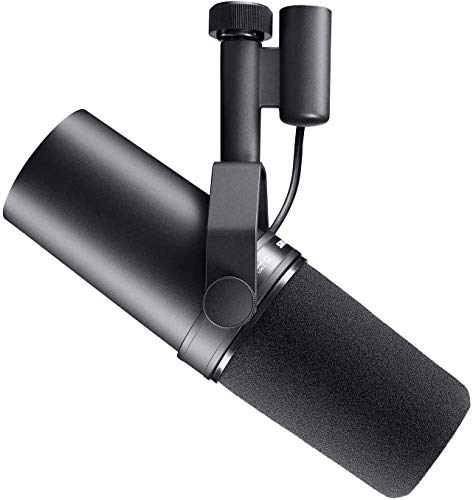
- Warm, balanced vocal sound
- Excellent rejection of background noise
- Built-in pop filtering and windscreen
Best For: Podcasting, streaming, and close-mic vocal recording
Premium Condenser Pick
Neumann TLM 102 for Studio Vocals

- Large-diaphragm condenser with detailed clarity
- Cardioid pattern for focused capture
- Transformerless XLR design
Best For: Studio vocals and detailed recordings in treated rooms
Reliable Stage Vocal Mic
Shure SM58S with On/Off Switch

- Warm, present vocal tuning
- Cardioid pattern reduces off-axis noise
- On/off switch for quick muting
Best For: Live vocals, rehearsals, and simple recording setups
Detailed Large-Diaphragm Condenser

- 1-inch true condenser capsule
- Works well on vocals and instruments
- Includes shock mount and magnetic pop filter
Best For: All-around studio recording in home or project studios
Stage-Standard Workhorse
Shure SM58 Pro XLR Dynamic Vocal Microphone

- Legendary vocal clarity with a subtle midrange lift
- Cardioid pattern helps reduce background noise and feedback
- Rugged metal build with built-in pop protection
Best For: Vocalists who need a durable, proven mic for clean vocal capture
Flexible Vintage-Inspired Choice
Warm Audio WA-87jr Large Diaphragm Condenser Mic

- Multipattern condenser with cardioid, figure-8, and omni modes
- Pristine highs and detailed mids with low self-noise
- Includes professional shockmount and pad/high-pass filter
Best For: Home studios and creators who want a versatile vocal and instrument condenser
Premium Supercardioid Performer
Neumann KMS 105 Supercardioid Condenser Vocal Microphone

- Supercardioid handheld condenser for focused vocal pickup
- 20Hz-20kHz response with high sensitivity
- Designed for detailed live vocal performance
Best For: Singers wanting a premium handheld condenser for controlled vocal capture
Studio Shield Choice
Shure SM4 XLR Studio Condenser Kit

- Smooth, detailed condenser sound with a 1-inch dual-diaphragm capsule.
- Cardioid pickup and shielding help reject room noise and RF interference.
- Includes shock mount, magnetic pop filter, and carrying case.
Best For: Vocal recording, podcasting, and close-miked instruments.
Budget Benchmark
Audio-Technica AT2020 Studio Condenser

- Proven cardioid condenser for project and home studio use.
- Wide dynamic range and high SPL handling add versatility.
- Simple XLR design keeps the focus on core recording performance.
Best For: Project studios and home recording setups.
Quietest Studio Pick
RØDE NT1 Signature Series with Kit
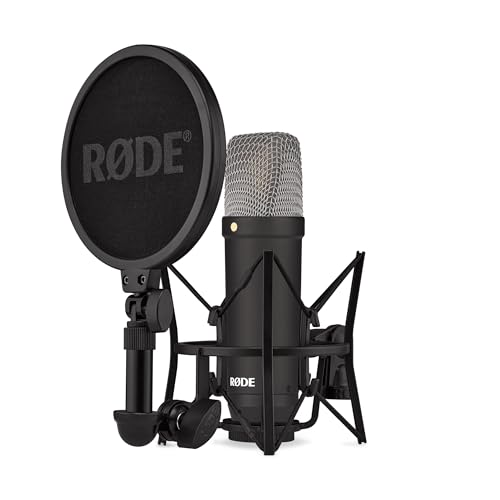
- Extremely low 4dBA self-noise for cleaner recordings.
- Includes shock mount, pop filter, and 6m XLR cable.
- Large-diaphragm cardioid condenser suits vocals and content work.
Best For: Vocal recording, streaming, and podcasting with very low noise.
Broadcast-Ready Dynamic Mic – Shure SM7B for Podcasting & Streaming
If you’re comparing professional studio microphones under 1000 dollars, the Shure SM7B stands out for its warm vocal tone and strong rejection of room noise. It’s a practical XLR dynamic mic for close-up voice work, especially when you want clean, controlled results without relying on a lot of extra processing.
Best For: Podcasting, streaming, voiceover, and vocal recording where isolation and a smooth broadcast sound matter.
Pros:
- Warm, balanced vocal character with wide-range frequency response
- Cardioid pickup and air suspension isolation help reduce room noise and handling vibration
- Built-in pop filtering and detachable windscreen help control plosives and breath noise
- Rugged all-metal build with electromagnetic shielding for dependable studio use
Cons:
- Requires substantial gain from your interface or preamp to perform at its best
- XLR setup means you’ll need compatible audio gear to use it
The SM7B is a strong pick if you want a proven studio vocal mic that prioritizes polish, isolation, and consistency. It’s especially useful when the room isn’t perfect and you still want a professional result.
Premium Condenser Pick – Neumann TLM 102 for Studio Vocals
For buyers shopping for professional studio microphones under 1000 dollars, the Neumann TLM 102 brings a compact large-diaphragm condenser design with the clarity people expect from a studio vocal mic. Its cardioid pickup and transformerless construction make it a focused choice for clean recordings in controlled spaces.
Best For: Studio vocals and podcast-style recording where a detailed condenser sound is the priority.
Pros:
- Large-diaphragm condenser design captures detail with clarity
- Cardioid pattern helps focus on the source and reduce off-axis sound
- Transformerless, compact design for straightforward studio placement
- XLR and phantom power support standard studio workflows
Cons:
- Requires phantom power to operate
- Best suited to treated recording spaces rather than noisy rooms
The TLM 102 is the most refined condenser-style option in this group, especially if your priority is detail and a polished studio capture. It makes the most sense when you already have a quiet setup and want a mic that reveals nuance.
Reliable Stage Vocal Mic – Shure SM58S with On/Off Switch
If you want professional studio microphones under 1000 dollars that also handle live use, the Shure SM58S is a classic vocal mic with a proven cardioid dynamic design. It delivers a clear, warm, present sound and adds an on/off switch for quick control in rehearsal, presentation, and performance settings.
Best For: Live vocals, rehearsals, podcasting, and recording when you want an easy-to-use dynamic mic with an on/off switch.
Pros:
- Clear, warm vocal sound tuned for speech and singing
- Cardioid pickup helps reject off-axis noise in louder environments
- Integrated on/off switch adds convenient muting control
- Hardened grille and internal filtering help reduce plosives and handling noise
Cons:
- Not as detailed as a large-diaphragm condenser for studio nuance
- Designed primarily for vocal use rather than broader instrument capture
The SM58S is the safest “works anywhere” choice here: simple, durable, and easy to manage on stage or in a basic studio setup. It’s less about hyper-detail and more about dependable vocal performance.
Detailed Large-Diaphragm Condenser – LEWITT LCT 440 PURE
Among professional studio microphones under 1000 dollars, the LEWITT LCT 440 PURE is a versatile condenser built for detailed capture across vocals and instruments. Its 1-inch true condenser capsule, cardioid pattern, and included accessories make it a strong all-around studio option for users who want clarity and flexibility.
Best For: Vocals, acoustic instruments, drums, cymbals, and amp recording in home or project studios.
Pros:
- 1-inch true condenser capsule captures depth and clarity
- Cardioid pattern offers effective rear rejection
- Works on a wide range of sources, including vocals and instruments
- Includes a shock mount and magnetic pop filter
Cons:
- Requires corded XLR studio setup with compatible inputs
- Condenser design is best used in a controlled recording environment
The LCT 440 PURE is the most flexible all-rounder in this roundup, especially if you record more than just vocals. Its accessory bundle and source versatility make it easy to work into a serious home studio.
Stage-Standard Workhorse – Shure SM58 Pro XLR Dynamic Vocal Microphone
If you want a proven option in professional studio microphones under 1000 dollars, the Shure SM58 is a practical pick for vocals that need clear presence and dependable rejection of background noise. Its cardioid pattern, built-in pop protection, and rugged build make it a straightforward choice for recording, podcasting, and broadcast use.
Best For: Vocalists and creators who want a durable, no-nonsense dynamic mic for clean, articulate voice capture.
Pros:
- Subtle midrange lift helps vocals cut through a mix
- Uniform cardioid pickup reduces background noise and feedback
- Built-in grille and filter help tame plosives, breath, and wind noise
- Rugged metal construction is made for demanding use
Cons:
- Dynamic handheld design is more focused on vocal use than full studio versatility
- May not suit buyers looking for a large-diaphragm condenser sound
This is a reliable studio-and-stage staple rather than a feature-heavy specialty mic. If your priority is consistent vocal performance and tough construction, it remains an easy recommendation.
Flexible Vintage-Inspired Choice – Warm Audio WA-87jr Large Diaphragm Condenser Mic
For shoppers comparing professional studio microphones under 1000 dollars, the Warm Audio WA-87jr stands out as a versatile condenser with a modern multipattern design. It aims for pristine highs and detailed mids, and the included shockmount makes it easier to get clean recordings for vocals, instruments, and podcasts.
Best For: Creators who want a multipattern condenser with studio-style detail and flexible placement options.
Pros:
- Multipattern operation includes cardioid, figure-8, and omnidirectional modes
- Designed for pristine highs and detailed mids
- Discrete signal path and ultra-low self-noise support clean recording
- Includes a professional shockmount to reduce handling noise
Cons:
- Requires phantom power
- Large-diaphragm condenser design is less rugged than a handheld dynamic mic
The WA-87jr is a strong choice when you need flexibility as much as tone. Its pattern options and included shockmount make it especially appealing for home studios and multi-purpose recording setups.
Premium Supercardioid Performer – Neumann KMS 105 Supercardioid Condenser Vocal Microphone
Among professional studio microphones under 1000 dollars, the Neumann KMS 105 is a premium vocal mic built for detailed, controlled sound capture. Its supercardioid pickup and 20Hz-20kHz response make it a focused handheld condenser for singers who want refined vocal reproduction.
Best For: Performers and vocalists who want a high-end handheld condenser with tight rejection and detailed response.
Pros:
- Supercardioid pattern helps keep the vocal focused
- 20Hz-20kHz frequency response supports a broad vocal range
- Handheld condenser format suits live vocal performance
- High audio sensitivity is aimed at detailed capture
Cons:
- Single-purpose vocal design is less flexible than multipattern studio condensers
- Requires corded operation and XLR connectivity
The KMS 105 is the most specialized option here, and that focus is its strength. If you want a refined handheld vocal microphone with premium pedigree, this model fits the brief well.
Studio Shield Choice – Shure SM4 XLR Studio Condenser Kit
If you’re comparing professional studio microphones under 1000 dollars, the Shure SM4 is a strong pick for cleaner source capture and easy post work. Its large-diaphragm condenser capsule, uniform cardioid pattern, and built-in pop filtering are aimed at controlled vocal and instrument recording with less room noise getting in the way.
Best For: Vocal recording, podcasting, and close-miked instruments where off-axis rejection and mix-ready sound matter.
Pros:
- Brass 1-inch dual-diaphragm capsule delivers smooth lows and detailed highs.
- Uniform cardioid pattern helps reject unwanted off-axis noise.
- Integrated pop filter and woven mesh Faraday cage reduce plosives and interference.
- All-metal build with shock mount, magnetic pop filter, and carrying case included.
Cons:
- Requires phantom power and an XLR recording setup.
- As a condenser mic, it is best suited to controlled studio environments.
The SM4 stands out if you want a durable, all-in-one recording package that minimizes cleanup later. It is especially practical when you need consistent close-up capture and protection from RF noise in a home or project studio.
Budget Benchmark – Audio-Technica AT2020 Studio Condenser
The Audio-Technica AT2020 remains a classic reference point for professional studio microphones under 1000 dollars because it focuses on core studio basics without extras. It offers a cardioid condenser design, wide dynamic range, and high SPL handling, making it a practical choice for project and home studio users who want reliable results from an XLR setup.
Best For: Project studios, home recording, and creators who want a straightforward condenser mic with proven performance.
Pros:
- Price/performance standard for side-address studio condenser mics.
- Cardioid pattern helps reduce pickup from the sides and rear.
- Low-mass diaphragm supports extended frequency response and strong transient detail.
- High SPL handling and wide dynamic range make it versatile.
Cons:
- Requires phantom power and an XLR interface or preamp.
- No included accessories are listed in the supplied details.
If you want a simple, proven studio mic rather than a bundled kit, the AT2020 is easy to recommend. It is especially useful when you need a dependable condenser for everyday recording tasks without spending more than necessary.
Quietest Studio Pick – RØDE NT1 Signature Series with Kit
For buyers shopping professional studio microphones under 1000 dollars, the RØDE NT1 Signature Series is built around one standout advantage: extremely low self-noise. Its large-diaphragm cardioid condenser design, HF6 capsule, and included shock mount, pop filter, and XLR cable make it a strong ready-to-record option for vocal and content work.
Best For: Vocal recording, music production, streaming, and podcasting where low noise is a priority.
Pros:
- Exceptionally low 4dBA self-noise for very quiet studio capture.
- HF6 1-inch true condenser capsule offers smooth response and high sensitivity.
- Handles very high SPL while staying in a cardioid, large-diaphragm format.
- Includes SM6 shock mount, pop filter, and 6m XLR cable.
Cons:
- Requires phantom power and an audio interface with XLR input.
- As a condenser, it is best paired with a controlled recording space.
The NT1 Signature Series is a compelling choice when low noise matters as much as tonal quality. With the included recording accessories and 10-year warranty, it looks especially appealing for creators who want a polished studio setup out of the box.
How We Picked the Best Professional Studio Microphones Under 1000 Dollars
For this guide, we prioritized microphones that make sense for real studio use: consistent tonal balance, dependable build quality, sensible accessory bundles, and enough flexibility for music, podcasting, voiceover, or streaming. We also considered how each mic fits into Professional Studio Microphones Under 1000 Dollars, where performance gains should be noticeable without paying for unnecessary features.
We leaned toward models with strong track records, clear application focus, and enough compatibility with common audio interfaces and preamps to avoid hidden setup costs.
Quick Comparison: Which Type Fits Your Setup?
Dynamic microphones are usually the safer choice for untreated rooms, louder voices, and close-mic recording. Condenser microphones tend to capture more detail, air, and transient nuance, which often suits treated rooms, sung vocals, acoustic instruments, and polished studio work.
If you want maximum isolation and a controlled sound, a dynamic model may be the better fit. If you want sensitivity and detail, a condenser usually delivers more of what you hear in the room.
Key Buying Factors for Professional Studio Microphones Under 1000 Dollars
Pickup Pattern and Room Noise
Cardioid and supercardioid patterns help reduce background noise and room reflections. That matters a lot if you are not working in a fully treated space.
Dynamic Vs. Condenser Design
Dynamics are typically more forgiving and often easier to place. Condensers usually need a quieter environment but reward you with greater detail and top-end clarity.
Gain Requirements and Interface Match
Some broadcast-style dynamics need plenty of clean gain. Make sure your interface, preamp, or inline booster can drive the mic properly before you buy.
Use Case First, Specs Second
Choose based on your primary job: vocal recording, podcasting, live performance, voiceover, or instrument capture. A mic that excels in one role may be merely average in another.
Accessories and Value
Shock mounts, pop filters, and carry cases can make a real difference in total value. Bundles are especially useful if you are building a studio from scratch.
Who Should Buy Which Professional Studio Microphones Under 1000 Dollars?
Podcast hosts, streamers, and voiceover creators often benefit from dynamic models that suppress room noise and deliver a focused, finished sound. Singers and producers working in treated rooms may prefer condenser models for extra detail and nuance.
If you are shopping for a versatile first purchase, consider whether you need a forgiving all-rounder or a more revealing studio tool. That single decision will narrow the field faster than any spec sheet.
For most buyers comparing Professional Studio Microphones Under 1000 Dollars, the smartest choice is the one that matches your space, your voice, and your workflow—not just the most expensive option.