Ribbon mics often need more clean gain than standard preamps can comfortably provide, especially with quieter sources and long cable runs. The right inline booster can make a noticeable difference without adding harshness.
Below, we break down the best microphone preamps for ribbon microphones in 2026, focusing on noise performance, gain, compatibility, and real-world value.
Best 10 Microphone Preamps for Ribbon Microphones Picks for 2026
Ultra-Slim Clean Gain
sE Electronics DM1 Inline Preamp

- +28 dB clean, transparent gain
- Transformerless, high-grade FET design
- Slim all-metal inline body
Best For: Podcasts, live sound, and passive ribbon or dynamic mic setups
Low-Noise Class-A Boost
Triton Audio FetHead Inline Preamp
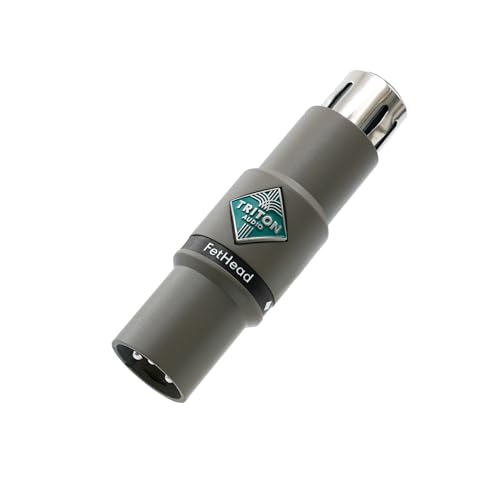
- Low-noise Class-A JFET amplifier
- Shielded metal enclosure
- Four matched JFETs
Best For: Compact, low-noise boost for ribbon and dynamic microphones
Classic Phantom-Powered Lift
Cloud Microphones Cloudlifter CL-1

- Up to +25 dB clean gain
- Uses phantom power safely
- Works with passive ribbons
Best For: Studio and live users needing a trusted ribbon mic activator
Vintage-Voiced Ribbon Boost
Triton Audio FetHead Germanium

- 29 dB amplification
- Germanium transistor design
- Easy two-click installation
Best For: Ribbon and dynamic mics needing a simple germanium-based boost
Budget Noise-Reducing Booster
Coda MB-Stealth In-Line Gain Booster
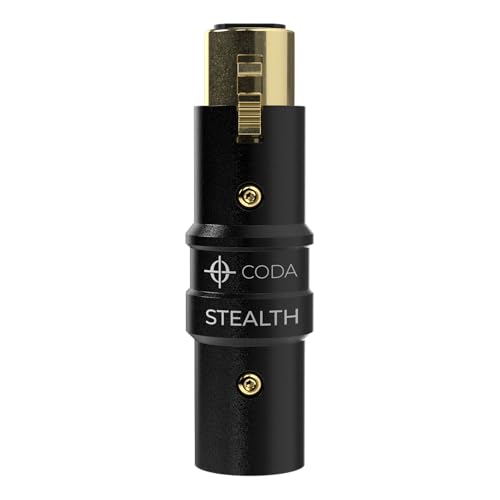
- 28dB clean gain from 48V phantom power
- Made for dynamic and ribbon mics only
- Compact matte black design with low-noise focus
Best For: A simple inline booster for dynamic or ribbon mics
Pro Bundle Inline Booster
sE Electronics DM1 Dynamite Black Bundle

- Fixed +28dB gain regardless of load
- Recommended for dynamic and passive ribbon mics
- Includes 2 XLR cables and 10 cable ties
Best For: A rugged ribbon/dynamic mic booster with bundled accessories
Flexible Phantom-Powered Preamp
ART RP-1 Adjustable Ribbon Booster

- Clean gain with variable impedance control
- Switchable 100 Hz low-cut filter included
- Runs from +48V phantom power
Best For: A tunable inline preamp with filtering and impedance control
Color-Adding In-Line Booster
Soyuz Launcher for dynamic and ribbon mics

- Adds warm, colored character to ribbon mics
- Boosts gain by 26dB with lower noise
- Handcrafted analog design with custom transformer
Best For: Users who want a musical, colored in-line booster for ribbon or dynamic mics
Low-Noise Budget Preamp

- Claimed -120dB EIN for low-noise operation
- 19~66dB gain range with Type-C power
- Works with ribbon mics, dynamics, condensers, and instruments
Best For: Budget buyers who want a versatile low-noise booster for ribbon mics
Phantom-Powered Ribbon Safe Pick

- Low-noise Class-A JFET in-line preamp
- Supports 24 to 48V phantom power
- Warm, balanced sound in a shielded XLR body
Best For: Ribbon and dynamic mic users who want a compact, warm in-line booster
Ultra-Slim Clean Gain – sE Electronics DM1 Inline Preamp
If you need microphone preamps for ribbon microphones that add gain without changing the character of the source, the sE Electronics DM1 is built for that job. It delivers up to +28 dB of clean, transparent boost for passive ribbons and dynamic mics, with a transformerless, Class-A-style design aimed at keeping the signal natural and low-noise.
Best For: Podcasters, live sound users, and recording setups that need a slim inline boost for passive ribbon or dynamic microphones.
Pros:
- Up to +28 dB of clean, transparent gain
- High-grade FET circuitry with transformerless design
- All-metal housing for durability
- Gold-plated XLR connectors help maintain a reliable connection
Cons:
- Designed as an inline gain booster, not a full standalone preamp
- Best suited to low-output mics rather than general-purpose studio use
The DM1 is a practical pick when you want simple, compact gain support and a clean signal path. Its slim format and noise-conscious design make it a straightforward choice for ribbon mic setups that need more level without extra bulk.
Low-Noise Class-A Boost – Triton Audio FetHead Inline Preamp
For microphone preamps for ribbon microphones that prioritize low noise and straightforward setup, the Triton Audio FetHead is a well-known inline option. Its notes highlight a low-noise Class-A JFET amplifier, shielded enclosure, and four matched JFETs, making it aimed at giving quiet microphones a useful gain lift without adding complexity.
Best For: Users who want a compact inline gain booster for ribbon or dynamic mics with a focus on low-noise amplification.
Pros:
- Low-noise Class-A JFET amplifier
- Shielded metal enclosure
- Uses four matched JFETs
- Compact in-line form factor
Cons:
- Product notes do not list a specific gain figure
- Surface-mount, inline design may not suit every setup
The FetHead is a sensible choice if you want a simple inline booster built around noise-conscious circuitry. It keeps the focus on clean gain support for low-output microphones while staying small and easy to integrate.
Classic Phantom-Powered Lift – Cloud Microphones Cloudlifter CL-1
The Cloud Microphones Cloudlifter CL-1 is a classic option among microphone preamps for ribbon microphones when you want clean level help from an inline activator. According to the supplied notes, it uses 48V phantom power to provide up to +25 dB while not passing phantom power on to the mic, which makes it a familiar fit for passive ribbons and other quiet sources.
Best For: Studio, podcasting, live streaming, and live sound users who want a trusted inline activator for passive ribbon mics.
Pros:
- Up to +25 dB of gain for quiet sources
- Uses phantom power without passing it to the microphone
- Compatible with passive ribbons and other quiet microphones
- Built for studio, podcast, radio, and live sound use
Cons:
- Requires standard microphone phantom power to operate
- Inline activator format is more specialized than a full preamp
The CL-1 remains a practical buy if you want a simple gain solution with a long track record in low-output mic setups. Its clean boost and phantom-powered operation make it easy to slot into a ribbon microphone chain.
Vintage-Voiced Ribbon Boost – Triton Audio FetHead Germanium
If you are comparing microphone preamps for ribbon microphones and want something a little different from the usual clean inline booster, the Triton Audio FetHead Germanium stands out for its germanium transistor design. The supplied notes call out 29 dB of amplification, compatibility with ribbon and dynamic microphones, and an easy two-click install, making it a straightforward inline option with a distinct circuit flavor.
Best For: Ribbon and dynamic mic users who want an easy inline preamp with a germanium-based design.
Pros:
- 29 dB of amplification
- Germanium transistor design
- Made for ribbon and dynamic microphones
- Easy two-click installation
Cons:
- Single-channel inline design only
- Requires 48V phantom power according to the supplied notes
The FetHead Germanium is worth a look if you want an inline gain booster with a slightly different component approach. It keeps the setup simple while offering enough gain to help passive ribbon and dynamic microphones perform more confidently.
Budget Noise-Reducing Booster – Coda MB-Stealth In-Line Gain Booster
If you need one of the simplest microphone preamps for ribbon microphones, the Coda MB-Stealth is a compact inline booster that adds 28dB of clean gain using your interface’s 48V phantom power. It’s built for dynamic and ribbon mics only, with a focus on keeping noise low while giving you more usable level for recording, podcasting, or livestreaming.
Best For: Users who want a small, low-noise inline gain booster for dynamic or ribbon mics.
Pros:
- Provides 28dB of ultra-clean gain from 48V phantom power.
- Rated for dynamic and ribbon microphones, not condensers.
- Low-noise design is aimed at reducing hiss, hum, and feedback.
- Compact matte black body keeps the setup discreet.
Cons:
- Does not work with condenser microphones.
- Requires phantom power from the interface to operate.
The MB-Stealth is a straightforward choice if your main goal is more level without a lot of added complexity. It keeps the feature set focused on clean gain and a minimal footprint, which makes it practical for everyday recording chains.
Pro Bundle Inline Booster – sE Electronics DM1 Dynamite Black Bundle
The sE Electronics DM1 is a dedicated option among microphone preamps for ribbon microphones when you want consistent inline gain and a sturdy connection. It delivers a fixed +28dB boost regardless of load, uses an all-metal housing, and comes bundled with two XLR cables and 10 velcro cable ties for a tidy setup.
Best For: Anyone who wants a passive ribbon or dynamic mic booster with included cables and a rugged build.
Pros:
- Consistent +28dB gain regardless of connected load.
- Recommended for dynamic and passive ribbon microphones.
- All-metal housing with a matte black finish.
- Gold-plated XLR connector for reliable signal connection.
Cons:
- Uses phantom power from the connected chain.
- Bundle may be more than you need if you already own cables.
For buyers who want a purpose-built inline booster with a more complete accessory package, the DM1 is easy to justify. Its fixed gain and rugged construction make it a practical match for low-output ribbon or dynamic mics in recording setups.
Flexible Phantom-Powered Preamp – ART RP-1 Adjustable Ribbon Booster
The ART RP-1 stands out among microphone preamps for ribbon microphones if you want more control than a basic fixed-gain booster. It runs on +48V phantom power, adds clean low-noise gain, and includes a switchable low-cut filter plus variable impedance control from 150 ohms to 10k ohms.
Best For: Users who want an adjustable phantom-powered inline preamp with filtering and impedance control.
Pros:
- Adds clean gain rated at 28dB at 10k ohms and 20dB at 600 ohms.
- Variable impedance control gives you more setup flexibility.
- Switchable 100 Hz low-cut filter helps manage low-end buildup.
- Low THD discrete circuitry is specified at under 0.002% typical.
Cons:
- Gain varies with impedance, so it is less fixed than some boosters.
- Requires +48V phantom power to run.
If you want more tuning options in an inline ribbon-mic preamp, the RP-1 offers the most control of the three. Its filter and impedance adjustments can be useful when you’re trying to shape the signal instead of just adding gain.
Color-Adding In-Line Booster – Soyuz Launcher for dynamic and ribbon mics
If you want microphone preamps for ribbon microphones that do more than just add gain, the Soyuz Launcher is built to add color and character. Its in-line design uses a custom hand-wound transformer and analog circuit to help ribbon and dynamic mics sound warmer, more open, and more three-dimensional, while also boosting gain and lowering audible noise.
Best For: Recordists who want a character-rich in-line preamp for ribbon or dynamic mics and don’t mind a colored sound.
Pros:
- Adds warm texture and clarity instead of aiming for a transparent boost
- Provides up to 26dB of gain for low-output dynamic and ribbon microphones
- Designed to reduce audible noise in the signal chain
- Handcrafted with a custom transformer and analog circuitry
Cons:
- Not intended for users who want a clean, invisible gain stage
- Requires phantom power to operate as an in-line activator
For ribbon-mic users who want a noticeable sonic lift, the Launcher is less about utility-only gain and more about a finished, musical tone. It fits best when character is part of the goal.
Low-Noise Budget Preamp – RO03 upgraded mic booster
Among microphone preamps for ribbon microphones, the RO03 stands out for its updated low-noise focus and flexible I/O. It is aimed at users who want a practical booster for ribbon, dynamic, condenser mics, or instruments, with a claimed -120dB EIN, 19~66dB gain range, and Type-C power for easier portable use.
Best For: Budget-conscious users who need a versatile, low-noise preamp for ribbon mics and other sources.
Pros:
- Updated for lower noise performance with claimed -120dB EIN
- Gain range of 19~66dB is described as fully achievable in real use
- Supports ribbon mics, dynamic mics, condensers, and instruments
- Type-C power and TRS/XLR/TS connectivity suit portable setups
Cons:
- Two input ports cannot be used at the same time
- Best noise results are recommended with TRS line input rather than XLR input
- Instrument and mic use may require attention to cable and connection choices
The RO03 is positioned as a low-cost, practical solution rather than a boutique color box. If your priority is cleaner gain for ribbon mic work and flexible everyday compatibility, it is an easy model to compare.
Phantom-Powered Ribbon Safe Pick – TritonAudio FetHead bundle
For microphone preamps for ribbon microphones, the TritonAudio FetHead is a simple in-line option built around a low-noise Class-A JFET design. It is intended for ribbon and dynamic mics, uses balanced XLR input and output, and is housed in a shielded metal enclosure with 24 to 48V phantom support.
Best For: Ribbon and dynamic mic users who want a compact in-line preamp with a warm, balanced sound.
Pros:
- Low-noise Class-A JFET amplifier design
- Compatible with 24 to 48V phantom power, with ribbon protection noted
- Warm, balanced sound profile
- Compact metal, shielded XLR in-line format
Cons:
- Designed for ribbon and dynamic mics rather than broad multi-source use
- Requires phantom power to work as intended
The FetHead is the most straightforward pick here if you want an in-line ribbon-mic booster with a reputation for low noise and easy XLR integration. It’s a practical match for users who want a compact gain stage without extra complexity.
How We Picked the Best Microphone Preamps for Ribbon Microphones
We prioritized units that deliver clean, usable gain for ribbon mics with minimal added noise, reliable phantom-power operation, and simple XLR setup. We also looked at build quality, gain range, and whether each model suits studio tracking, live sound, or both.
Quick Comparison
Most Microphone Preamps for Ribbon Microphones in this roundup fall into two groups: ultra-compact inline boosters that sit at the mic end, and larger phantom-powered gain stages. Inline models are usually the easiest choice if you want quick setup and transparent gain; larger units may offer extra flexibility but take up more space and power management.
Key Buying Factors for Microphone Preamps for Ribbon Microphones
Clean Gain and Noise Floor
Ribbon mics can be gain-hungry, so the main priority is low-noise amplification. Look for enough gain to bring vocals, acoustic instruments, and room mics to a healthy level without forcing your main preamp into its noisy upper range.
Phantom Power Requirements
Many inline boosters need 48V phantom power to operate, even though the ribbon microphone itself should not receive phantom power directly. Make sure your interface, mixer, or preamp can supply stable phantom power and that the accessory is designed to block it from the mic side.
Headroom and Source Type
If you record loud sources like guitar cabinets or brass, headroom matters as much as gain. A preamp that sounds clean at moderate levels may still clip or compress when pushed hard, so choose based on the loudest source you plan to capture.
Form Factor and Workflow
Compact inline boosters are ideal when you want a small footprint and fast setup. Rack or desktop-style options can be better for permanent studio installs, but they are less convenient for mobile rigs and live stages.
Who Should Buy Which Microphone Preamps for Ribbon Microphones?
If you want a simple, transparent solution for everyday recording, choose a compact inline model with strong noise performance. If you need extra flexibility for multiple mics or a more fixed studio workflow, consider a phantom-powered unit with broader utility. For live engineers, durability and easy cable management may matter more than small differences in gain figures. For home studios, the best Microphone Preamps for Ribbon Microphones are usually the ones that offer the cleanest gain with the least setup complexity.