Choosing the right compressor can make home recordings sound more polished, controlled, and professional without overprocessing the mix.
Below, we’ve narrowed the field to ten strong options for different studio needs, from simple vocal control to stereo bus compression and rackmount flexibility.
Best 10 Audio Compressors for Home Studio Picks for 2026
Rackmount Dynamics Workhorse

- Compressor/gate with program-adaptive operation
- LEDs show gain reduction and thresholds clearly
- Works well for vocals, guitars, drums, and mixes
Best For: Home studios needing simple rackmount dynamics control
Two-Channel Studio Control

- 2-channel compressor/limiter/gate design
- Includes de-esser for vocal sibilance
- Built for production, mixing, and mastering
Best For: Budget-minded users wanting versatile dynamics processing
Channel Strip Versatility

- Mic preamp plus compression, de-esser, enhancer, gate
- Classic dbx compression helps vocals stand out
- XLR and 1/4-inch inputs with rackmount format
Best For: Vocal recording and source shaping in a home studio
Pedalboard-Friendly Compression

- Compact Phase 90-sized compressor pedal
- Constant headroom for clear, clean performance
- Ten LEDs provide gain-reduction feedback
Best For: Guitarists wanting compact compression with visual feedback
Mix Bus Glue
Warm Audio Bus-Comp 2-channel Stereo VCA Bus Compressor

- 2-channel stereo VCA bus compressor
- Five ratios plus side chain input filter
- CineMag transformers and metal build
Best For: Home studio mixing and stereo bus compression
Rack Control
ART SCL2 Dual/Stereo Compressor/Limiter Expander/Gate
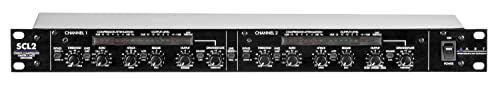
- Dual-channel or linked stereo operation
- Compression, limiting, expander, and gate
- Balanced TRS/XLR inputs with LED meters
Best For: Flexible home studio dynamics control
Guitar Pedal Pick
Walrus Audio Deep Six Compressor V3
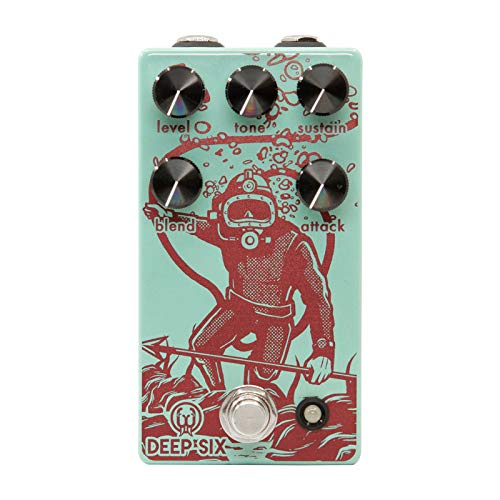
- True bypass stompbox compressor
- Tone knob with bass cut
- Top-mounted jacks and soft switch bypass
Best For: Guitar and instrument compression in a home studio
Tube/Solid-State Blend Pick
ART Solo VLA Single Channel Multi-Voice Compressor

- Selectable MultiVoice tube/solid-state control
- Variable blend for dry/wet compression mixing
- Optical isolators with mastering-quality signal path
Best For: Home studios wanting a flexible single-channel compressor
Rackmount Vocal Control Pick
Professional Dual-Channel Rackmount Vocal Compressor/Limiter

- Dual-channel compression with Overeasy behavior
- Noise gate plus sidechain insert for flexible control
- XLR/TRS inputs and outputs for studio integration
Best For: Home studios needing a rackmount compressor with gate and sidechain
Auto-Set Dual-Channel Pick
Professional Dual-Channel Audio Processor 1U Rack Mount

- Auto attack/release for simpler setup
- LED metering with noise gate feedback
- Sidechain input and XLR/TRS connectivity
Best For: Home studios wanting easy-to-use dual-channel compression
Rackmount Dynamics Workhorse – dbx 266xs Compressor/Gate
If you need audio compressors for home studio use that can tame peaks and add control without a lot of guesswork, the dbx 266xs is built for straightforward results. Its compressor/gate design, LED metering, and program-adaptive behavior make it a practical option for smoothing uneven levels on vocals, guitars, drums, and mix buses.
Best For: Home studios that want a simple rackmount compressor/gate for everyday level control.
Pros:
- Error-proof operation for smoothing uneven levels and tightening mixes
- Program-adaptive expander/gate with new timing algorithms for smooth release behavior
- Separate LED displays for gain reduction, compression threshold, and gate threshold
- Useful for adding sustain to guitars or fattening drums
Cons:
- Rackmount 1U unit, so it is not as portable as pedal-style compressors
- Single-purpose dynamics unit rather than a full channel strip
The 266xs is a solid pick if you want a no-nonsense dynamics processor that makes setup fast and readable. It is especially appealing when you want compression plus gating in one rack space.
Two-Channel Studio Control – Behringer MDX2600 Compressor
For buyers comparing audio compressors for home studio setups, the Behringer Composer Pro-XL MDX2600 offers a practical 2-channel format with compressor, limiter, gate, and de-esser functions. It is aimed at audio production, mixing, and mastering, making it a flexible choice when you want multiple dynamics tools in one unit.
Best For: Budget-conscious home studios that want a two-channel compressor with extra dynamics tools.
Pros:
- 2-channel compressor/limiter/gate design for flexible studio use
- Includes a de-esser for controlling harsh vocal sibilance
- Suitable for audio production, mixing, and mastering
- Corded electric rack unit with a compact footprint
Cons:
- Product notes do not provide detailed control or metering information
- More complex than a basic compressor if you only need simple leveling
The MDX2600 makes sense when you want one processor to cover several common studio tasks. It is a versatile entry point for home setups that need more than plain compression.
Channel Strip Versatility – dbx 286sv Preamp Processor
If your search for audio compressors for home studio work includes voice recording, the dbx 286sv goes beyond compression with a full channel strip layout. It combines mic preamp, compression, de-esser, enhancer, and expander/gate processing, so it can help shape vocals and instruments in one rackmount unit.
Best For: Home recordists who want a mic preamp and compressor with added vocal processing tools.
Pros:
- Full-featured preamp and channel strip with compression, de-esser, enhancer, and expander/gate
- Classic dbx compression for reducing dynamic range and bringing vocals forward
- Loop-out and insert options for adding extra processors
- XLR and 1/4-inch inputs with status LEDs and rackmount 1U design
Cons:
- Single-channel design, so it is not a multi-channel compressor
- More than some home studios need if you only want basic compression
The 286sv is best viewed as a vocal-focused channel strip that includes compression rather than a standalone compressor. If you want one unit to manage gain and polish at the source, it is a strong all-in-one choice.
Pedalboard-Friendly Compression – MXR Studio Compressor
Among audio compressors for home studio players, the MXR Studio Compressor stands out as a compact pedal that aims for clear, clean performance. Its constant headroom technology, ten gain-reduction LEDs, and true bypass design make it a simple option for adding controlled compression to guitars and other instrument chains.
Best For: Guitarists and home studio users who want a compact compressor pedal with visual feedback.
Pros:
- Phase 90-sized pedal that is easy to fit into a compact rig
- Constant headroom technology designed for clear, clean performance
- Ten gain-reduction status LEDs for quick visual feedback
- True bypass helps keep the signal path simple when disengaged
Cons:
- Pedal format is less suited to rack-based studio workflows
- Only one compressor style, so it is not a multi-function channel strip
This is a straightforward choice if you want compression you can place on a pedalboard or use with instruments in a small studio setup. It keeps the feature set focused while still giving you useful monitoring and clean operation.
Mix Bus Glue – Warm Audio Bus-Comp 2-channel Stereo VCA Bus Compressor
If you are shopping for audio compressors for home studio mixing, the Warm Audio Bus-Comp is built for stereo bus work and recording applications. Its 2-channel VCA design, 5 ratios, side chain input filter, and CineMag transformers make it a strong fit when you want to tighten a mix without giving up flexibility.
Best For: Home studio producers and mixers who want a stereo bus compressor for mix glue and recording duties.
Pros:
- 2-channel stereo VCA bus compressor for linked processing
- Five ratio options for more control over compression behavior
- Side chain input filter helps shape how the detector responds
- CineMag transformers add a classic hardware touch
Cons:
- Large, heavy metal unit at 9.7 pounds
- Requires corded electric power
For a home studio that needs a dedicated stereo compressor for mixing and recording, this model focuses on practical studio features rather than simplicity. It is best suited to users who want real outboard bus compression control and have the rack space for it.
Rack Control – ART SCL2 Dual/Stereo Compressor/Limiter Expander/Gate
For audio compressors for home studio setups that need more than basic compression, the ART SCL2 offers dual-channel or linked stereo operation with compression, limiting, expander, and gate functions. Balanced TRS and XLR inputs, selectable auto/manual attack-release, and precise LED meters make it a versatile rack tool for hands-on dynamics control.
Best For: Home studio owners who want a flexible dual-channel or stereo dynamics processor with detailed control.
Pros:
- Dual-channel or linked stereo operation for flexible routing
- Balanced 1/4-inch TRS and XLR inputs
- Selectable auto/manual attack and release settings
- Precise LED level meters for monitoring
Cons:
- Rack-style unit may be more complex than a simple compressor
- Requires corded electric power
This is a practical choice if you want one processor to handle several dynamics tasks in a home studio. The SCL2 is most appealing when you value flexibility and visual metering over a stripped-down layout.
Guitar Pedal Pick – Walrus Audio Deep Six Compressor V3
Among audio compressors for home studio use, the Walrus Audio Deep Six Compressor V3 stands out as a stompbox-style option for guitar and other 1/4-inch audio sources. It offers true bypass, a tone knob with bass cut, soft switch/relay bypassing, and top-mounted in/out jacks, so it is geared toward straightforward signal shaping in a compact format.
Best For: Guitar players and home recordists who want a compact compressor for instrument-level compression and tone shaping.
Pros:
- Compact stompbox form factor
- True bypass for straightforward signal handling
- Tone knob with bass cut for low-end shaping
- Top-mounted in/out jacks for tidier pedalboard layout
Cons:
- Designed as a pedal, not a rack studio compressor
- Limited lifetime use case compared with full studio units
If your home studio work centers on guitar or other instrument chains, this compressor is the easiest of the three to integrate. It is less about rack-level flexibility and more about adding reliable compression in a small, pedal-based package.
Tube/Solid-State Blend Pick – ART Solo VLA Single Channel Multi-Voice Compressor
If you’re comparing audio compressors for home studio use and want one unit that can lean clean or add character, the ART Solo VLA is built around that flexibility. Its selectable MultiVoice tube/solid-state control, optical isolators, and variable blend make it a practical choice for shaping dynamics while keeping the dry signal available.
Best For: Home studio users who want a single-channel compressor with blend control and selectable tube or solid-state voicing.
Pros:
- Selectable MultiVoice tube/solid-state control for different compression flavors
- Variable blend lets you mix compressed and uncompressed signals
- Optical isolator design supports a smooth mastering-style signal path
- Switchable +4dBu/-10dBV level modes help with different studio setups
Cons:
- Single-channel design is less flexible than dual-channel rack units
- Tube-based hardware is bulkier and heavier than compact desktop processors
- May be more than needed if you only want basic vocal leveling
This is a strong fit if you value tonal options and blend control over simple set-and-forget compression. The Solo VLA is aimed at shaping, not just leveling, which makes it attractive for users who want more control in a home studio chain.
Rackmount Vocal Control Pick – Professional Dual-Channel Rackmount Vocal Compressor/Limiter
For buyers shopping audio compressors for home studio rack setups, this dual-channel compressor focuses on practical dynamics control and broad connectivity. It combines Overeasy compression, adjustable attack and release, a noise gate, and sidechain insert support, so it can handle vocals and other sources in a flexible studio chain.
Best For: Home studios that need a dual-channel rackmount compressor with gate, sidechain, and XLR/TRS connectivity.
Pros:
- Dual-channel design works well for multi-source studio routing
- Overeasy compression and adjustable attack/release for smoother control
- Built-in noise gate helps reduce background noise
- Sidechain insert supports frequency-based ducking and low-end control
Cons:
- Rackmount format takes more space than smaller desktop gear
- Feature set may be more complex than a basic vocal compressor
- Best value depends on whether you actually need dual-channel operation
This is the most feature-packed option in the group for users who want routing flexibility and detailed dynamics shaping. If your home studio needs one compressor that can serve vocals, instruments, and sidechain duties, this model is built for that job.
Auto-Set Dual-Channel Pick – Professional Dual-Channel Audio Processor 1U Rack Mount
If you want audio compressors for home studio work with less manual tweaking, this dual-channel 1U unit stands out for its auto attack/release and Overeasy compression. It also adds a noise gate, LED monitoring, and sidechain input, making it a straightforward fit for recording and streaming rigs that need clean level control.
Best For: Home studio users who want a dual-channel rack unit with auto attack/release and simple visual monitoring.
Pros:
- Auto attack/release can simplify setup and operation
- Dual-channel design supports flexible studio routing
- LED indicators provide clear gain reduction and gate feedback
- Noise gate and sidechain input add useful control options
Cons:
- Rackmount design requires dedicated space in your studio
- Less hands-on control than units with fully manual timing adjustments
- May overlap with other dual-channel compressors if you already own similar gear
This model is appealing if you want a practical dynamics processor that emphasizes speed and visibility. The auto settings and monitoring make it a sensible choice for home studio users who prefer efficiency over deep tweaking.
How We Picked the Best Audio Compressors for Home Studio
We focused on Audio Compressors for Home Studio use that offer dependable control, practical I/O, and clear value for common recording tasks. Priority went to models with useful dynamics tools, straightforward operation, and formats that fit real-world setups, including desktop rigs, vocal chains, and rack systems.
We also considered versatility, noise performance, and whether a compressor is better suited for tracking, mixing, or live-style vocal processing.
Quick Comparison
For simple vocal leveling and channel-strip convenience, preamp-compressor units are often the easiest starting point. Rackmount dual-channel compressors are better if you need to process multiple sources or run a stereo setup. Bus compressors are the strongest choice for mix glue, while stompbox-style units make sense for instrument players who want consistent sustain and tone shaping.
Key Buying Factors for Audio Compressors for Home Studio
Channel Count
Single-channel models are fine for solo vocals, bass, or one instrument at a time. Dual-channel units offer more flexibility for stereo sources, paired microphones, or working on multiple tracks during a session.
Compression Controls
Look for the standard controls that matter most: threshold, ratio, attack, release, and output gain. If you want more precise shaping, features like sidechain inserts, de-essing, or expander/gate functions can be especially useful.
Use Case
Not every compressor is built for the same job. Some Audio Compressors for Home Studio tracking are designed to tame peaks on the way in, while bus compressors are made to add cohesion across an entire mix. Choose based on where you’ll use it most.
Format and Connectivity
Rackmount gear is common in more permanent studios and usually provides balanced XLR/TRS connectivity. Pedal-format compressors suit instrument chains, while channel-strip units can simplify a small recording setup by combining several processing stages in one box.
Noise and Transparency
If you record vocals or acoustic sources, low-noise operation and smooth gain reduction matter more than aggressive coloration. For drums, bass, or creative mix processing, some coloration can be a plus if it adds punch or character.
Who Should Buy Which Audio Compressors for Home Studio?
Singer-songwriters and podcasters may prefer a channel-strip compressor for easy vocal control. Home mixers who want polished stereo glue should look at bus compressors. Guitarists and bass players may be better served by pedal-style compressors, while project studios needing maximum flexibility will often benefit from a rackmount dual-channel unit.
If you’re still deciding, start with your main source: vocals, instruments, or mix bus. That single choice usually narrows the best option quickly.