Low-frequency buildup can make a room sound boomy, uneven, or difficult to mix accurately. The right bass traps help reduce corner energy and create a more balanced listening environment.
This roundup compares 10 bass traps across broadband panels, foam corner blocks, fabric-covered designs, and larger wooden options, so you can match treatment to your room, budget, and installation plans.
Best 10 Bass Traps Picks for 2026
Deep-Corner Control
ATS Low-Frequency Corner Bass Trap
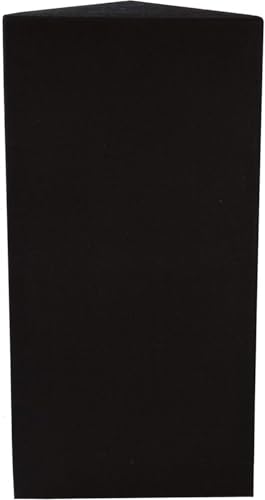
- NRC 1.40 low-frequency absorption
- Solid wood frame and jute fabric
- Includes mounting hardware and template
Best For: Dedicated studios and listening rooms needing durable corner treatment
Modular Vertical Treatment

- Deep open-cell foam for wall corners
- Stackable for taller coverage
- Two-pack with 30 adhesive tabs
Best For: Scalable treatment in home studios and podcast rooms
Broadband Corner Damping

- Full-range mineral wool absorption
- NRC 1.28 sound damping
- Fire-rated fabric and open-back design
Best For: Studios needing corner treatment across multiple frequency ranges
Upper-Corner Coverage
Foroomaco Triangular Pyramid Traps

- Designed for ceiling corners
- Deep 12-inch open-cell foam
- Four-pack with adhesive tabs
Best For: Studios and home theaters needing space-saving upper-corner treatment
Best Value Foam Bass Traps

- Targets low and mid frequencies
- Lightweight, flexible mounting options
- Good fit for small rooms and studios
Best For: Budget-conscious beginners and home creators
Best Framed Bass Traps
QGU 24-Inch Wooden Corner Panels

- Wood frame with fabric finish
- Fiberglass interior targets low frequencies
- Helps reduce reverb and flutter echoes
Best For: Home studios and listening rooms needing a finished look
Best Large Coverage Bass Traps

- Eight high-density foam corner pieces
- Designed to reduce standing waves
- Fire-retardant CA117-tested material
Best For: Recording studios and rooms needing broader corner coverage
Simple Corner Coverage

- Triangular 16.5-inch-wide, 12-inch-deep design
- Includes double-sided adhesive dots
- Helps reduce bass buildup and echoes
Best For: Quick corner treatment in studios, podcast rooms, and home theaters
High-Density Value Pack

- 12 compact 4 x 4 x 12-inch panels
- High-density polyurethane for low frequencies
- Flame retardant and installation-flexible
Best For: Multi-corner treatment in home studios and recording rooms
Wall-Friendly Installation

- 30 kg/m³ upgraded density foam
- Includes removable double-sided tape
- 16.5 x 6.3 x 12-inch corner blocks
Best For: Home studios and theaters needing easy, removable installation
Deep-Corner Control – ATS Low-Frequency Corner Bass Trap
ATS Acoustics Corner Bass Trap, Low Frequency Range, NRC 1.40, 24" x 48" x 13" (Black)
Check Price On AmazonThe ATS Acoustics Corner Bass Trap is a substantial option for treating low-frequency buildup in room corners. Its low-range absorption, NRC 1.40 rating, and 24-by-48-by-13-inch format make it suited to studios or listening rooms where controlling boom, reverb, and echo is a priority.
Best For: Dedicated studios, mixing rooms, and listeners who want a durable, professionally finished corner treatment.
Pros:
- Designed to absorb low frequencies while reflecting high frequencies.
- NRC 1.40 provides strong sound absorption.
- Solid wood internal frame helps protect edges and corners.
- Includes mounting hardware and a template for easier installation.
Cons:
- At 41 pounds, it is considerably heavier than foam alternatives.
- The large 48-inch form factor requires suitable corner space and secure mounting.
This is a robust, furniture-like bass trap for buyers who value low-frequency control, durability, and a finished appearance over lightweight portability.
Modular Vertical Treatment – Foroomaco Delta Bass Traps
Foroomaco Delta Bass Traps provide a flexible way to address low-frequency buildup along vertical wall corners. This two-pack uses deep open-cell polyurethane foam and flat top and bottom surfaces, allowing units to stack into a taller treatment column as your room setup develops.
Best For: Home studios, podcast rooms, and other spaces needing lightweight, scalable corner treatment.
Pros:
- Designed specifically for long vertical wall-corner junctions.
- Deep 16.5-by-15.8-by-12-inch foam bodies provide more corner depth than standard wall panels.
- Stackable design supports partial-height or floor-to-ceiling coverage.
- Includes 30 double-sided adhesive mounting tabs.
Cons:
- Polyurethane foam may offer a less finished appearance than fabric-wrapped traps.
- A two-pack may require additional packs for full-height coverage.
The Delta traps are a practical modular choice when you want to start with targeted corners and expand treatment later without committing to heavy framed units.
Broadband Corner Damping – ATS Full-Range Acoustic Panel
The ATS Acoustics Full Range Bass Trap is a 24-by-48-by-4-inch panel intended for mounting across a corner. Its mineral wool core and open-back design absorb sound across the frequency range, helping address boominess, echo, and reverberation with a clean, finished look.
Best For: Studios and listening spaces that need full-range corner absorption rather than low-frequency-only treatment.
Pros:
- Full-range absorption helps dampen sound across multiple frequency ranges.
- NRC 1.28 rating supports substantial sound damping.
- Open-back construction allows sound to pass through to the mineral wool core.
- Includes installation hardware and a mounting template.
Cons:
- At 4 inches deep, it may provide less physical corner depth than larger bass traps.
- Its 24-by-48-inch panel format requires careful corner mounting.
This panel suits buyers who want bass-trap placement with broader acoustic coverage and a fire-rated Guilford of Maine SONA fabric finish.
Upper-Corner Coverage – Foroomaco Triangular Pyramid Traps
Foroomaco Triangular Pyramid Bass Traps target the three-surface junctions where walls meet the ceiling, an often-overlooked location for low-frequency buildup. The four-pack uses deep open-cell polyurethane foam to treat upper corners while leaving floor-level wall corners available for additional bass traps.
Best For: Studios, rehearsal spaces, podcast rooms, and home theaters seeking ceiling-corner coverage without using floor space.
Pros:
- Purpose-built for trihedral ceiling corners.
- Deep 12-inch foam provides substantial porous treatment depth.
- Four-pack can cover up to four ceiling corners.
- Includes 30 double-sided adhesive mounting tabs.
Cons:
- Designed for upper corners, so it does not replace treatment for vertical wall corners.
- Polyurethane foam has a more utilitarian finish than framed fabric panels.
This set is a useful complement to vertical-corner bass traps and reflection panels, especially when preserving floor space is important.
Best Value Foam Bass Traps – JBER 4-Pack Corner Foam
These compact bass traps are a practical, budget-friendly way to address low- and mid-frequency buildup in a home studio, podcast room, home cinema, or living space. Their lightweight foam construction is designed for corner or horizontal wall mounting.
Best For: Beginners and creators seeking affordable, easy-to-install bass traps for smaller acoustic treatment projects.
Pros:
- Designed to absorb low- and mid-frequency sound and help flatten room response.
- Versatile 7-inch corner-block design works on walls, ceilings, or horizontally.
- Lightweight 1.04-pound four-pack is easy to mount with glue, tape, or nails.
- Suitable for studios, podcasts, video rooms, home theaters, and living spaces.
Cons:
- Foam construction may provide less substantial treatment than framed acoustic panels.
- Mounting supplies are not included.
- The four-pack offers limited coverage for larger rooms.
Choose this set when affordability, simple installation, and a discreet corner treatment matter most. It is a straightforward starting point for improving the perceived clarity and warmth of a modest room.
Best Framed Bass Traps – QGU 24-Inch Wooden Corner Panels
For shoppers who want a more substantial, furniture-like approach to bass traps, this two-pack uses a solid wood frame, fabric covering, and fiberglass interior. The 24-by-12-inch panels are intended to help control low-frequency problems, reverb, and flutter echoes.
Best For: Home studios, listening rooms, and theaters where a framed acoustic treatment with a classic fabric appearance is preferred.
Pros:
- Solid wood frame and fabric surface offer a more finished look than bare foam.
- Fiberglass interior is designed for low-frequency absorption and echo reduction.
- Large 24-by-12-inch panels can help address room reflections in small to medium rooms.
- Materials are described as flame retardant, recyclable, odorless, and non-toxic.
Cons:
- At 20.5 pounds, the two-pack is considerably heavier than foam alternatives.
- Only two panels are included, so larger spaces may require additional treatment.
- Exact installation hardware and placement instructions are not specified in the supplied details.
This is the stronger choice for buyers prioritizing a polished appearance and framed construction. Its heavier build makes careful placement and secure installation especially important.
Best Large Coverage Bass Traps – 8-Pack Black Corner Foam
This eight-pack of high-density polyurethane foam bass traps is built for broader corner coverage in recording studios, home theaters, podcast rooms, and other dedicated spaces. The 8-by-8-by-12-inch pieces can be stacked from floor to ceiling or arranged in ceiling corners.
Best For: Creators who need multiple foam corner pieces for more extensive acoustic treatment across a studio or media room.
Pros:
- Eight pieces provide more corner coverage than smaller four-pack sets.
- High-density foam is designed to improve low-frequency response and reduce standing waves.
- CA117-tested material is described as B1 fire-retardant.
- Can be installed with double-sided tape or spray adhesive.
Cons:
- Adhesive is not included.
- Compressed packaging requires 24 to 48 hours in a ventilated place to expand.
- Foam treatment may not offer the same finished appearance as framed panels.
With eight 12-inch-thick corner pieces, this set is a practical option when coverage and flexible placement are more important than a decorative finish. Allow time for expansion before installation and plan your corner layout in advance.
Simple Corner Coverage – Triangular Foam Bass Traps
These triangular bass traps are designed for room corners, where sound energy can collect. Their 16.5-inch-wide, 12-inch-deep foam structure helps reduce low-frequency buildup, echoes, and reverberation in studios, podcast rooms, gaming rooms, and home theaters.
Best For: Beginners who want lightweight, purpose-built corner treatment with adhesive mounting dots included.
Pros:
- Triangular design provides more corner depth than flat acoustic panels.
- Helps manage bass reflections and unwanted reverberation.
- Includes double-sided adhesive dots for quick installation.
- Suitable for studios, rehearsal spaces, podcast rooms, and home cinemas.
Cons:
- The four-pack may provide limited coverage for larger rooms.
- Adhesive mounting may not suit every wall surface.
This is a straightforward option for targeted corner treatment. Choose it when easy installation and a compact four-piece set matter more than broad room coverage.
High-Density Value Pack – TroyStudio Corner Bass Traps
For buyers needing more pieces, these bass traps provide 12 high-density polyurethane corner panels measuring 4 x 4 x 12 inches each. The thicker foam is intended to attenuate low-pitched sounds while reducing echoes, overlapping sounds, and other common room-acoustic problems.
Best For: Home studios, recording spaces, vocal booths, and other rooms that need multiple compact corner panels.
Pros:
- Pack includes 12 panels for broader corner coverage.
- Thick, high-density polyurethane is designed for low-frequency absorption.
- Flame retardant, odorless, and non-toxic construction.
- Panels can be cut and mounted between walls, floors, and ceilings.
Cons:
- Installation accessories are sold separately.
- Small 4 x 4 x 12-inch panels may require multiple pieces in larger corners.
- Not waterproof.
The larger pack makes this a flexible choice for distributing treatment around several corners. Budget separately for adhesive, tape, screws, or T-pins during installation.
Wall-Friendly Installation – Focusound Corner Bass Traps
These four Focusound bass traps use updated 30 kg/m³ density foam to help address low-frequency sound, bass reflections, echoes, and reverb. Their 16.5 x 6.3 x 12-inch corner format is intended for studios, rehearsal rooms, vocal booths, control rooms, and home theaters.
Best For: Users who want larger corner blocks with removable adhesive tape for a less permanent installation.
Pros:
- 30 kg/m³ density is designed to improve low-frequency control.
- Includes 30 pieces of removable double-sided adhesive tape.
- High-density, fireproof, non-toxic material.
- Suitable for ceiling and wall corners in studios and theaters.
Cons:
- Only four corner pieces are included.
- Each wedge requires six pieces of tape to install.
- Specific room coverage is not provided.
Focusound is a practical pick when wall-friendly mounting is a priority. Its larger corner profile and included tape simplify installation, though four pieces may not be enough for extensive room treatment.
How We Picked These Bass Traps
We focused on products designed specifically for corners, where low-frequency energy commonly collects. Our comparison considers stated dimensions, construction, absorption claims, coverage, installation flexibility, pack size, and suitability for recording rooms, listening spaces, and home theaters. Because room acoustics vary, published ratings such as NRC are useful reference points but should not be treated as a guarantee of identical real-world performance.
We also included different formats. Thick broadband panels generally offer more useful absorption across a wider frequency range, while triangular and foam corner blocks can provide a more accessible way to treat multiple corners or fill awkward spaces.
Quick Comparison
- Best for substantial corner coverage: Large, thick fabric-covered or wooden traps.
- Best for broadband control: Four-inch or thicker acoustic panels with documented absorption performance.
- Best for simple installation: Lightweight foam corner blocks and triangular wedges.
- Best for treating several corners: Multi-piece packs with compact individual units.
- Best for visible studio setups: Finished panels in neutral fabric colors or clean geometric shapes.
Key Buying Factors for Bass Traps
Thickness and Frequency Range
Thicker absorbers typically have a better chance of controlling lower frequencies than thin foam alone. Look for substantial depth, air gaps behind panels where practical, and clear information about whether the product is intended for broadband or mainly high-frequency absorption.
Size and Coverage
Measure each corner before ordering. A large 24-by-48-inch panel can offer more surface area, while smaller blocks are easier to place around doors, windows, shelves, and equipment. Pack quantity matters when treating several corners at once.
Material and Safety
Compare rigid or semi-rigid absorbers, fabric-wrapped panels, wood designs, and acoustic foam. Check fire-resistance information, especially for enclosed studios or rooms with heat-producing equipment. Dense foam may be convenient, but it should not be confused with full soundproofing.
Installation and Appearance
Confirm whether mounting hardware is included and whether the product is intended for wall corners, ceiling corners, or floor-to-ceiling placement. A treatment system works best when you can install enough coverage without blocking outlets, doors, lighting, or ventilation.
Who Should Buy Which Bass Traps?
Choose thick broadband panels if you record, mix, or master and need more predictable room response across the low and mid frequencies. Choose foam corner packs if affordability, lightweight installation, and flexible placement are the priorities. Choose larger wooden or finished traps if you want a more substantial visual design and have enough floor or corner space. Choose ceiling-corner models when wall corners are already occupied or vertical treatment is difficult.
For the best results, start with the room’s main problem areas rather than buying solely by pack count. Place treatment in multiple corners when possible, keep listening and mixing positions symmetrical, and evaluate the room after installation with familiar recordings or measurement software.