Choosing the right amp can make rehearsals easier, cleaner, and much more enjoyable. The best compact keyboard amplifiers for rehearsals deliver enough volume for practice without taking over the room.
Below, we focus on portable, musician-friendly options that balance sound quality, features, and size for keyboards, pianos, synths, and other rehearsal needs.
Best 10 Compact Keyboard Amplifiers for Rehearsals Picks for 2026
Compact Practice Amp
Peavey KB 1 20-Watt Keyboard Amp
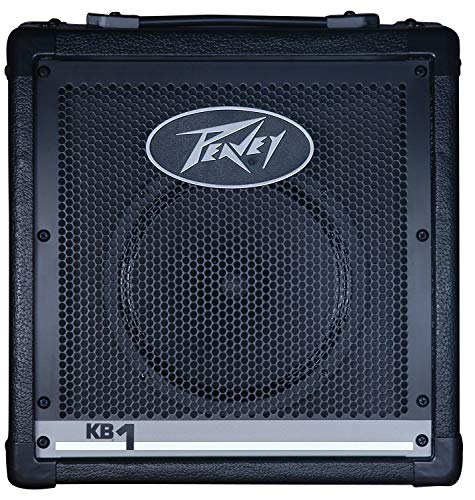
- 20 watts with clean sound for practice
- 8-inch extended range speaker
- Two channels plus headphone out
Best For: Small-room piano and synth rehearsal
Portable Multisource Rehearsal Amp
Coolmusic 30W Amp with Bluetooth

- 30W with two speakers for practice use
- Bluetooth, AUX in, headphone out, DI out
- Two channels with 3-band EQ
Best For: Players who want playback and output flexibility
High-Power Rehearsal Amp
Behringer K900fx 90W Keyboard Amp

- 90 watts with a 15-inch speaker
- Three channels with separate fx send
- FBQ feedback detection system
Best For: Louder rehearsals and PA-style keyboard setups
Feature-Rich Practice Amp
Coolmusic 30W Keyboard Amp with USB

- 30W output with an 8-inch speaker
- USB interface plus headphone and DI out
- Two channels with 3-band EQ
Best For: Practice sessions needing USB playback and silent use
Battery-Powered Stereo Option
Roland KC-220 30W Battery Stereo Keyboard Amp

- Battery or AC power for flexible rehearsals
- 30W stereo output with dual woofers and tweeters
- Three inputs plus aux, mic, and headphone options
Best For: Portable rehearsals and practice without being tied to an outlet
Ultra-Portable Practice Amp
SONICAKE QDM-20 20W Bluetooth Keyboard/Drum Amp

- 20W dual-driver amp for compact practice setups
- Bluetooth 5.0 for backing tracks and metronomes
- 1/4-inch input plus 3.5mm AUX for simple connectivity
Best For: Home practice and rehearsals with wireless backing tracks
Versatile 2-Channel Choice
Donner DKA-20 20W 2-Channel Keyboard Amp

- 20W amp with 8-inch woofer and 2-inch tweeter
- Two channels with separate volume controls
- 3-band EQ, aux, headphone, and DI outputs
Best For: Players needing mic support and simple control in small rehearsals
Best with Extra Features
Coolmusic DM-20 20W Portable Keyboard/Drum Amp

- 20W output for practice-level use
- Bluetooth and USB for background music
- Lightweight, compact design for easy carrying
Best For: home practice, lessons, and small rehearsal spaces
Balanced Rehearsal Amp
COOLMUSIC DM50 50W Keyboard/Drum Monitor

- 50W output for stronger rehearsal volume
- 3-band EQ and reverb for sound shaping
- OTG recording plus mic/line and instrument inputs
Best For: players who want more control and connectivity in a portable amp
Compact Practice Amp – Peavey KB 1 20-Watt Keyboard Amp
If you want one of the more straightforward compact keyboard amplifiers for rehearsals, the Peavey KB 1 keeps things simple. Its 20-watt output, 8-inch extended range speaker, and dual channels make it a practical fit for small practice spaces where clean sound and fast setup matter.
Best For: Keyboard players who need a no-fuss amp for piano or synth practice in smaller rooms.
Pros:
- 20 watts of clean Peavey power for practice-level volume
- 8-inch extended range speaker suited to pianos and synths
- Two separate channels with 2-band EQ per channel
- Headphone out for silent practice
Cons:
- Lower wattage than larger rehearsal amps
- No built-in effects or advanced extras listed
For players who value simplicity over features, this amp covers the basics well. It is a compact, clean-sounding option that looks especially useful for small practice sessions and quick plug-in rehearsals.
Portable Multisource Rehearsal Amp – Coolmusic 30W Amp with Bluetooth
Coolmusic Drum Amplifier 30W, Wireless Electric Drum Speaker Keyboard Amp with 3-Band EQ and DI Out
Check Price On AmazonAmong compact keyboard amplifiers for rehearsals, this Coolmusic 30W model stands out for flexibility. It offers two speakers, two channels with separate gain controls, 3-band EQ, Bluetooth, headphone output, and DI out, so it can handle practice sessions that need both monitoring and playback support.
Best For: Rehearsals that need a portable amp with Bluetooth and multiple output options.
Pros:
- 30 watts with two speakers for fuller practice sound
- Two channels with separate gain controls and 3-band EQ
- Bluetooth, AUX in, headphone out, and DI out
- Compact and light enough for family practice or lessons
Cons:
- Designed as a multipurpose amp, not a keyboard-only unit
- No warranty length listed in the supplied notes beyond general portability features
This is a strong choice if your rehearsal setup benefits from flexibility more than specialization. The combination of wireless playback, silent practice, and external output options makes it easy to adapt to different practice environments.
High-Power Rehearsal Amp – Behringer K900fx 90W Keyboard Amp
If your rehearsals need more headroom, the Behringer Ultratone K900fx is the most powerful option here. With 90 watts, a 15-inch speaker, three-channel operation, and FBQ feedback detection, it is built for larger practice or PA-style keyboard use rather than the smallest spaces.
Best For: Keyboard players who want a louder rehearsal amp with built-in feedback detection.
Pros:
- 90 watts of output for higher-volume rehearsal use
- 15-inch speaker for a bigger sound footprint
- Three-channel operation with separate volume and fx send per channel
- FBQ feedback detection system helps reveal critical frequencies
Cons:
- Large and heavy at 39.9 pounds
- May be more amp than needed for small practice rooms
This model makes sense when volume, channel flexibility, and feedback control matter most. It is less about compact convenience and more about delivering a robust rehearsal solution with PA-style features.
Feature-Rich Practice Amp – Coolmusic 30W Keyboard Amp with USB
Coolmusic Keyboard AMP 30W Electric Drum Amplifier Speaker,with 3-Year Warranty
Check Price On AmazonThis Coolmusic keyboard AMP is a practical pick among compact keyboard amplifiers for rehearsals when you want everyday features without a complicated setup. It includes 30 watts of power, two channels, 3-band EQ, headphone output, DI out, and a USB interface for storing songs.
Best For: Practice sessions that benefit from USB playback and silent monitoring.
Pros:
- 30 watts with an 8-inch speaker for routine practice use
- Two channels with separate gain control and 3-band EQ
- Headphone output and DI out for flexible practice or routing
- USB interface lets you store more songs for rehearsal
Cons:
- Listed as a hybrid amp, which may matter if you prefer a straightforward solid-state design
- Larger listed dimensions than some truly mini practice amps
For players who want practical rehearsal features, this amp covers a lot of ground. The USB input is a useful bonus, and the rest of the control set stays focused on simple, repeatable practice use.
Battery-Powered Stereo Option – Roland KC-220 30W Battery Stereo Keyboard Amp
If you want a compact keyboard amplifier for rehearsals that can move easily between rooms or run without a wall outlet, the Roland KC-220 is built for that kind of flexibility. It delivers 30 watts of stereo power, onboard mixing, and battery operation, making it a practical pick for small rehearsal setups and quick practice sessions.
Best For: Rehearsals where portability, battery power, and stereo sound matter.
Pros:
- Runs on eight AA batteries or the included AC adapter for flexible rehearsal use.
- 30 watts of stereo output from two 6.5-inch woofers and two custom tweeters.
- Three 1/4-inch input channels plus aux, mic, headphone, and line outputs.
- Built-in DSP effects include reverb and two chorus types.
Cons:
- Battery runtime is limited to about 7 hours on alkaline batteries.
- Power output is modest compared with larger rehearsal amps.
Overall, the KC-220 stands out when compact size and cable-free operation are higher priorities than raw volume. Its stereo design and broad input options make it easy to use as a rehearsal hub for keyboards and light vocal duties.
Ultra-Portable Practice Amp – SONICAKE QDM-20 20W Bluetooth Keyboard/Drum Amp
For compact keyboard amplifiers for rehearsals where portability and wireless backing tracks are useful, the SONICAKE QDM-20 keeps the setup simple. Its 20-watt dual-driver design, Bluetooth 5.0 support, and small footprint make it a convenient option for home practice, quick jam sessions, and easy transport.
Best For: Players who want a lightweight rehearsal amp with Bluetooth playback.
Pros:
- 20W dual speaker system is designed for clear, distortion-free practice sound.
- Bluetooth 5.0 lets you stream backing tracks or metronomes wirelessly.
- Works with keyboards, synthesizers, electronic drums, and audio interfaces.
- Includes 1/4-inch input and 3.5mm AUX port for flexible connectivity.
Cons:
- Uses a DC power supply rather than battery power.
- Best suited to practice and small spaces rather than louder rehearsals.
This is a practical pick if your rehearsal setup values convenience over high output. The lightweight build and Bluetooth features make it especially appealing for home use, while still supporting multiple instrument types.
Versatile 2-Channel Choice – Donner DKA-20 20W 2-Channel Keyboard Amp
The Donner DKA-20 is a straightforward option if you want compact keyboard amplifiers for rehearsals with multiple inputs and simple tone shaping. With 20 watts of power, two speakers, and a 2-channel layout, it is set up for practice, small performances, and situations where you need a flexible amp for keyboard and mic use.
Best For: Rehearsal players who want two channels, EQ control, and mic support.
Pros:
- 20-watt design with an 8-inch woofer and 2-inch tweeter.
- Two channels with separate volume controls for each input.
- Includes 3-band EQ, aux input, headphone output, and DI output.
- Supports microphone input and is also compatible with guitar and keyboard.
Cons:
- Not battery powered, so it needs electric power.
- Output is geared more toward practice and smaller rooms than large rehearsals.
For players who want more control over their rehearsal sound, the DKA-20 offers a useful mix of inputs and tone options. It is especially handy when you need one amp to cover keyboard practice, vocal support, and basic playback.
Best with Extra Features – Coolmusic DM-20 20W Portable Keyboard/Drum Amp
If you want compact keyboard amplifiers for rehearsals, the Coolmusic DM-20 is a simple low-watt option for home practice and small sessions. Its 20W output, 6.5-inch woofer, and 2-inch tweeter are aimed at keeping the sound clear while staying easy to move between rooms or lessons.
Best For: home practice, lessons, and small rehearsal spaces where portability matters more than volume.
Pros:
- 20W output is suited to practice-level use
- 6.5-inch woofer and 2-inch tweeter provide a two-way sound layout
- Bluetooth and USB input support background music playback
- Compact, lightweight design is easy to carry
Cons:
- Lower power than larger rehearsal amps
- Best suited to small rooms rather than louder gigs
Overall, the DM-20 is the most portable choice in this group and makes sense if your priority is an easy-to-carry amp for casual rehearsals and practice.
Balanced Rehearsal Amp – COOLMUSIC DM50 50W Keyboard/Drum Monitor
For compact keyboard amplifiers for rehearsals with a little more headroom, the COOLMUSIC DM50 steps up to 50W and adds useful tone controls. The 8-inch woofer, 3-inch tweeter, 3-band EQ, and reverb make it a flexible pick for keyboards, vocals, and electronic drums in home studios or small rehearsal spaces.
Best For: players who want a portable rehearsal amp with more control and connectivity than a basic practice model.
Pros:
- 50W output offers more room for rehearsal use
- 3-band EQ and reverb help shape the sound
- XLR/6.35mm mic/line input and instrument input add flexibility
- OTG recording and headphone jack support recording and quiet practice
Cons:
- Heavier than smaller 20W portable amps
- Single-channel design may limit more complex setups
The DM50 is a practical middle ground if you need a compact rehearsal amp that can do more than basic playback and give you better control over your sound.
Best Simple Pick – Coolmusic DM100 100W Keyboard Speaker
If your goal is compact keyboard amplifiers for rehearsals with serious power, the Coolmusic DM100 is the strongest option here at 100W. It combines a 10-inch woofer, 3-inch tweeter, 3-band EQ, wireless audio connection, and DI out, making it a solid choice for bigger practice sessions or linking into a larger setup.
Best For: louder rehearsals and players who want a compact amp with expansion options.
Pros:
- 100W output provides the most power in this group
- 10-inch woofer and 3-inch tweeter support fuller sound
- Bluetooth connection works for background audio playback
- DI out can feed another speaker or mixing console
Cons:
- Less portable than the smaller 20W and 50W models
- May be more amp than you need for quiet home practice
The DM100 makes sense when you want more volume and routing flexibility without jumping to a full-size stage system. It is the most capable rehearsal-focused option in this set.
How We Picked the Best Compact Keyboard Amplifiers for Rehearsals
We looked for amps that make sense in real rehearsal settings: manageable size, enough output for small rooms, clear response for keys and synths, and practical features like multiple inputs, EQ, or line out options. Portability mattered too, especially for players who need to move gear between home, practice rooms, and band spaces.
We also favored models with straightforward controls and useful flexibility, since Compact Keyboard Amplifiers for Rehearsals often need to handle more than one instrument or audio source.
Quick Comparison
If you want the simplest setup, a lower-wattage compact combo is usually best for solo practice or very small spaces. If you rehearse with a drummer or need more headroom, step up to a louder 30W to 100W option with better EQ and connectivity. Battery power can be a major advantage for players who rehearse in flexible locations, while DI or line-out connections are useful for expanding into a PA later.
Key Buying Factors for Compact Keyboard Amplifiers for Rehearsals
Power and Room Size
Wattage is only part of the story, but it still matters. A 20W amp is often enough for home practice or quiet rehearsals, while 30W models are better for small band rooms. Higher-output units offer more headroom and can stay cleaner at higher volumes.
Speaker Design and Tone
Look for amps that reproduce keyboards accurately rather than coloring the sound too heavily. Full-range response is especially helpful for piano patches, pads, and synth textures. If you plan to use electronic drums or vocals as well, choose a model built for broader frequency handling.
Inputs and Connectivity
Multiple channels, aux or Bluetooth input, mic/line support, and DI out can make one amp more versatile. These features are especially valuable when one rehearsal amp needs to cover different setups or double as a small practice PA.
Portability and Power Source
Weight, handle placement, and battery operation all affect real-world convenience. For players who move gear often, a lightweight cabinet or battery-powered model can be more useful than raw power alone.
Who Should Buy Which Compact Keyboard Amplifiers for Rehearsals?
If you mainly rehearse at home, a 20W compact amp is usually the easiest and most affordable choice. Players in small ensembles or louder rehearsal spaces should consider a 30W to 50W model for extra headroom and flexibility. If you need to support multiple instruments, connect to a PA, or play with a more demanding band, a higher-powered option may be worth the extra size.
For many musicians, the best choice among Compact Keyboard Amplifiers for Rehearsals is the one that matches the room, the number of sources you need to plug in, and how often you plan to transport it.