The best computer monitor for programmers makes code easier to read, keeps documentation and tools visible, and reduces the friction of long work sessions. This roundup covers practical options ranging from affordable Full HD screens to expansive ultrawide and specialized 4K displays.
Consider resolution, screen shape, connectivity, ergonomics, and eye-care features alongside price. The right choice depends on whether you prioritize sharp text, multitasking space, gaming-friendly refresh rates, or a cleaner laptop workstation.
Best 10 Computer Monitor for Programmers Picks for 2026
Best for Coding Comfort
BenQ RD280U 28.2-inch 3:2 4K Programming Monitor

- Tall 3:2 3840x2560 workspace
- Nano Matte Panel and coding modes
- 90W USB-C and KVM support
Best For: Programmers needing extra vertical space and long-session comfort
Best 4K Value
LG 27US500-W 27-inch 4K UltraFine Monitor

- 3840x2160 4K UHD resolution
- IPS panel with wide viewing angles
- Reader Mode and Flicker Safe features
Best For: Developers wanting sharp 4K text and an adaptable everyday display
Best Large Budget Screen
Samsung S32B304N 32-inch FHD Monitor

- Spacious 32-inch display
- 75Hz refresh with FreeSync
- Eye Saver and Flicker Free technology
Best For: Programmers prioritizing a large screen for general desktop work
Best High-Refresh Compact Pick
Dell SE2426H 24-inch 144Hz IPS Monitor
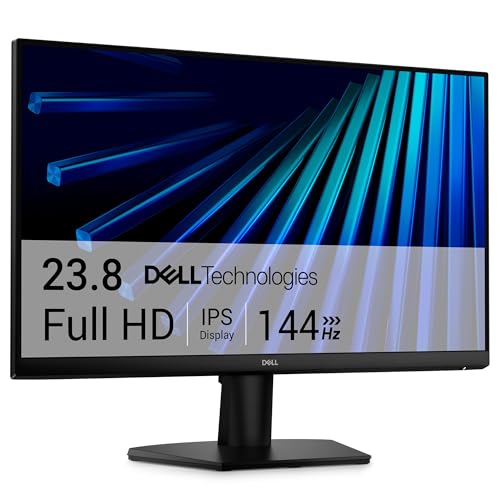
- 144Hz refresh and 1ms MPRT
- IPS panel with 178-degree viewing
- TÜV 3-star eye-comfort certification
Best For: Developers wanting a compact work display that also suits gaming
Immersive Curved Pick
Samsung S36GD 27-inch Curved Monitor

- 27-inch Full HD curved display
- 100Hz refresh rate with eye-care features
- HDMI and D-Sub connectivity
Best For: Programmers seeking a comfortable curved monitor for coding and multimedia
Smooth IPS Workhorse
LG 27U411A-B 27-inch IPS Monitor

- 27-inch Full HD IPS display
- 120Hz refresh rate and 99% sRGB coverage
- Reader Mode and virtually borderless design
Best For: Programmers wanting smooth motion, wide viewing angles, and comfortable reading
Simple IPS Value
Samsung S30GD 27-inch IPS Monitor

- 27-inch Full HD IPS panel
- 100Hz refresh rate with eye-care features
- Two USB ports plus HDMI and D-Sub
Best For: Programmers wanting a simple, flexible monitor for coding and office work
Best UltraWide Work Monitor

- 34-inch curved 3440 x 1440 UltraWide display
- USB-C connectivity with up to 65W power delivery
- OnScreen Control and Picture-by-Picture support
Best For: Programmers building spacious, multitasking workstations
Best Budget Coding Monitor

- 23.8-inch Full HD VA display
- 100Hz refresh rate with flicker-free and blue-light features
- Virtually bezel-free design for multi-monitor setups
Best For: Affordable coding setups and smaller desks
Best Eye-Care UltraWide Monitor

- 34-inch flat 3440 x 1440 Ultra-WQHD display
- Ambient light sensor, Eye Saver Mode, and Flicker Free
- PIP and PBP support two simultaneous input sources
Best For: Programmers wanting a wide, comfort-focused workspace
Best for Coding Comfort – BenQ RD280U 28.2-inch 3:2 4K Programming Monitor
If you want a computer monitor for programmers that prioritizes vertical workspace and long-session comfort, the BenQ RD280U is a strong fit. Its 3:2 3840×2560 display provides extra height for code, while the Nano Matte Panel, coding modes, and eye-care features are designed around focused desktop work.
Best For: Programmers who want a tall, high-resolution screen for coding and extended work sessions.
Pros:
- 3:2 3840×2560 resolution offers more vertical coding space than a typical 16:9 display.
- Nano Matte Panel, coding modes, blue-light filtering, and flicker-free eye-care features support extended use.
- 90W USB-C, KVM functionality, HDMI connectivity, height adjustment, and VESA mounting add workstation flexibility.
- MoonHalo backlighting can provide a more comfortable focused-work environment.
Cons:
- The 60Hz refresh rate is oriented toward productivity rather than high-refresh gaming.
- Its 28.2-inch size and 16.8-pound weight require more desk and mounting capacity.
The RD280U stands out when coding space, posture, and eye comfort matter more than gaming speed. It is especially compelling for developers who can take advantage of USB-C and KVM features in a multi-device setup.
Best 4K Value – LG 27US500-W 27-inch 4K UltraFine Monitor
The LG 27US500-W is a practical computer monitor for programmers who want sharp 4K text and a clean, borderless workspace. Its 27-inch IPS panel combines 3840×2160 resolution with wide viewing angles, Reader Mode, and flicker-safe operation for everyday coding and multimedia use.
Best For: Developers seeking a straightforward 27-inch 4K IPS monitor for coding, documents, and general desktop work.
Pros:
- 4K UHD resolution provides crisp detail for text, code, and high-resolution content.
- IPS technology and 170-degree viewing angles support consistent image quality across the screen.
- Reader Mode, Flicker Safe operation, and an adjustable tilt stand support comfortable use.
- OnScreen Control can help organize the workspace and adjust monitor settings.
Cons:
- The 60Hz refresh rate is less suited to users seeking especially fluid gaming or motion.
- Connectivity is limited to HDMI and DisplayPort, with no USB-C listed.
For coding-focused desks that value sharp text and simple organization, the LG delivers a balanced 4K IPS setup. Its HDR10 and DCI-P3 support also make it more versatile for media and visual work beyond programming.
Best Large Budget Screen – Samsung S32B304N 32-inch FHD Monitor
The Samsung S32B304N is a computer monitor for programmers who prefer a large, uncomplicated screen for business and desktop tasks. Its 32-inch panel offers generous physical workspace, while Eye Saver Mode, Flicker Free technology, and a 75Hz refresh rate support comfortable everyday use.
Best For: Programmers who want a spacious 32-inch display for general coding, office work, and multimedia.
Pros:
- 32-inch screen provides a large viewing area for code windows and multitasking.
- 75Hz refresh rate and AMD FreeSync support smoother motion than a standard 60Hz display.
- Eye Saver Mode and Flicker Free technology are useful for extended computing sessions.
- Three-sided borderless styling works well in multi-monitor arrangements.
Cons:
- 1920×1080 resolution is less detailed than the 4K options in this roundup.
- The 250 cd/m² brightness is modest for bright environments.
- It has one HDMI port, which may limit connection flexibility.
The Samsung is best when screen size takes priority over pixel density. It can be a comfortable coding and office display, but developers who display lots of text on a large panel may prefer a higher-resolution model.
Best High-Refresh Compact Pick – Dell SE2426H 24-inch 144Hz IPS Monitor
The Dell SE2426H is a compact computer monitor for programmers who want a responsive display that also handles work, streaming, and gaming. Its 23.8-inch IPS panel delivers Full HD resolution, 144Hz refresh, FreeSync, and wide viewing angles in a desk-friendly format.
Best For: Developers with limited desk space who also value smooth motion for gaming and general media.
Pros:
- 144Hz refresh rate and 1ms MPRT support fluid motion for gaming and video.
- IPS technology and 178-degree viewing angles provide consistent image presentation.
- TÜV Rheinland 3-star eye-comfort certification addresses blue-light exposure while preserving color quality.
- Two HDMI ports, a matte anti-glare screen, and tilt adjustment suit a simple desktop setup.
Cons:
- 1920×1080 resolution provides less workspace and text detail than the 4K displays.
- The listed response time is 8ms, despite the 1ms MPRT motion specification.
- No DisplayPort or USB-C connectivity is listed.
The Dell makes sense for programmers who share their monitor with fast-paced entertainment or gaming. Its smaller Full HD panel is less suited to dense multitasking, but its high refresh rate and compact footprint are useful advantages.
Immersive Curved Pick – Samsung S36GD 27-inch Curved Monitor
If you want a computer monitor for programmers that adds a more immersive feel to long coding sessions, the Samsung S36GD combines a 27-inch Full HD screen with a curved 1800R design. Its 100Hz refresh rate, eye-comfort features, and HDMI/D-Sub connectivity make it a practical option for coding, browsing, and multimedia use.
Best For: Programmers who prefer a curved screen and want a smooth, comfortable monitor for everyday work and entertainment.
Pros:
- 1800R curvature creates a more immersive viewing experience.
- 100Hz refresh rate helps reduce motion blur during scrolling and video.
- Blue-light filtering and flicker-free technology support extended viewing.
- 3,000:1 contrast ratio can make dark text and scenes appear more distinct.
Cons:
- Full HD resolution provides less workspace than a higher-resolution monitor.
- Only one HDMI port is listed.
- The curved design may not suit users who prefer a flat display.
The S36GD is a sensible choice for programmers who value comfort and immersion over maximum pixel density. Its Full HD resolution is straightforward for everyday coding, while the curved panel and eye-care features make it well suited to longer sessions.
Smooth IPS Workhorse – LG 27U411A-B 27-inch IPS Monitor
The LG 27U411A-B is a computer monitor for programmers who want broad viewing angles, smooth scrolling, and a clean workspace. Its 27-inch Full HD IPS panel offers 99% sRGB coverage, HDR10 support, Reader Mode, and a three-sided virtually borderless design that also works well in dual-monitor setups.
Best For: Programmers who want an IPS panel with smooth 120Hz performance, comfortable reading features, and a modern bezel-light design.
Pros:
- IPS technology maintains consistent color across a 178-degree viewing angle.
- 120Hz refresh rate delivers smoother motion for scrolling and general use.
- Reader Mode and Flicker Safe features are useful for extended work sessions.
- Three-sided virtually borderless design suits multitasking and dual-monitor setups.
Cons:
- Full HD resolution limits the amount of code visible compared with higher-resolution displays.
- The stand offers tilt adjustment but no height adjustment is listed.
- Only one HDMI port is listed.
For developers who prioritize comfortable viewing and fluid everyday performance, the LG is one of the more versatile options here. Its IPS panel and slim bezels support collaborative or multi-screen work, while HDR10 and 1ms Motion Blur Reduction add flexibility beyond coding.
Simple IPS Value – Samsung S30GD 27-inch IPS Monitor
The Samsung S30GD is a straightforward computer monitor for programmers who want a 27-inch Full HD IPS display without an elaborate feature set. It combines consistent colors, a 100Hz refresh rate, eye-care tools, slim bezels, and HDMI, D-Sub, and USB connectivity for a flexible desktop setup.
Best For: Programmers seeking an affordable-feeling, general-purpose IPS monitor for coding, office work, and light multimedia use.
Pros:
- IPS panel keeps colors clear and consistent from different viewing angles.
- 100Hz refresh rate supports smoother scrolling and video playback.
- Blue-light filtering, eye-care, and flicker-free features help with long sessions.
- Two USB ports add convenience for compatible peripherals.
Cons:
- Full HD resolution offers less workspace for side-by-side code windows.
- Glossy screen finish may be less suitable for brightly lit rooms.
- Only one HDMI port is listed.
The S30GD keeps the essentials in place for everyday programming: a roomy 27-inch screen, dependable IPS viewing angles, smooth 100Hz performance, and basic eye-comfort controls. It is a practical fit for users who do not need HDR or a curved panel.
Best UltraWide Work Monitor – LG 34WR55QK-B
If you want a computer monitor for programmers that can replace a dual-screen setup, the LG 34WR55QK-B offers a spacious 34-inch curved UltraWide display. Its 3440 x 1440 resolution, 21:9 aspect ratio, and workspace-splitting tools are well suited to keeping code, documentation, and other windows visible at once.
Best For: Programmers who want expansive multitasking space, USB-C connectivity, and an adjustable stand.
Pros:
- 34-inch 3440 x 1440 UltraWide display provides substantial room for multiple windows.
- OnScreen Control supports split layouts and Picture-by-Picture viewing from two sources.
- USB-C supports up to 65W power delivery, alongside HDMI, DisplayPort, and USB ports.
- Height and tilt adjustments plus Reader Mode support longer work sessions.
Cons:
- Its curved, 21:9 format takes up more desk width than a standard monitor.
- The 300 cd/m² brightness is moderate for HDR content.
For coding-heavy workflows, this LG combines high horizontal resolution with practical window-management features. It is particularly compelling if you use a USB-C laptop and want one flexible screen for work and other multimedia tasks.
Best Budget Coding Monitor – Philips 241V8LB
The Philips 241V8LB is a practical computer monitor for programmers who need a compact, straightforward screen for coding and everyday desktop work. Its 23.8-inch Full HD VA panel provides clear text, wide viewing angles, and a 100Hz refresh rate without requiring much desk space.
Best For: Budget-conscious programmers, compact desks, and basic multi-monitor setups.
Pros:
- 23.8-inch Full HD 1920 x 1080 display offers crisp visuals for everyday coding.
- VA panel provides a 3000:1 contrast ratio and 178-degree viewing angles.
- 100Hz refresh rate, Adaptive-Sync, flicker-free operation, and blue-light features support comfortable use.
- Three-sided virtually bezel-free design works well in multi-monitor arrangements.
Cons:
- Full HD resolution provides less workspace than the UltraWide options in this roundup.
- Connectivity is limited to HDMI and VGA.
- The stand’s adjustment features are not specified in the supplied details.
This Philips is a sensible choice when affordability and simplicity matter more than maximum screen real estate. It can handle coding, documents, and general desktop tasks, while its slim-bezel design makes adding a second display easier.
Best Eye-Care UltraWide Monitor – Samsung ViewFinity S50GC
The Samsung ViewFinity S50GC is a strong computer monitor for programmers who value a wide, uncluttered workspace and eye-care features. Its flat 34-inch Ultra-WQHD panel gives you room for multiple coding windows, while PIP and PBP make it possible to view content from two sources.
Best For: Programmers who want an UltraWide display with automatic brightness adjustment and flexible source viewing.
Pros:
- 34-inch 3440 x 1440 display and 21:9 aspect ratio support broad multitasking workflows.
- Ambient light sensor automatically adjusts brightness, while Eye Saver Mode and Flicker Free target viewing comfort.
- PIP and PBP support simultaneous viewing of two input sources.
- Two HDMI inputs and one DisplayPort provide useful connection flexibility.
Cons:
- It does not include USB-C connectivity or laptop power delivery.
- The listed 72% color gamut is less expansive than the LG model’s stated coverage.
The S50GC is well matched to programmers who want a large, flat screen for code and reference material without giving up eye-care functions. Choose it over the LG if automatic brightness and dual-source viewing are more important than USB-C charging.
How We Picked the Best Computer Monitor for Programmers
We selected these monitors by comparing the features that matter most for programming: usable screen area, text clarity, panel type, refresh rate, connectivity, adjustability, and comfort features. The list includes conventional 24- and 27-inch displays, high-resolution 4K models, and larger ultrawide screens so different desk sizes and workflows are represented.
Specifications can vary by retailer or regional model, so verify the included ports, stand adjustments, warranty, and cable selection before ordering. A monitor’s advertised resolution and refresh rate may also depend on the connected computer and cable.
Quick Comparison
| Best For | Recommended Style | What to Prioritize |
|---|---|---|
| Focused coding on a smaller desk | 24-inch Full HD IPS or VA | Clear text, flicker reduction, ergonomic placement |
| General programming and productivity | 27-inch QHD or 4K | Higher pixel density and comfortable scaling |
| Side-by-side code and documentation | 34-inch ultrawide | 3440×1440 resolution, USB-C, and split-screen support |
| Maximum vertical workspace | 3:2 or tall high-resolution display | Extra vertical pixels, coding modes, and a height-adjustable stand |
| Coding plus gaming | High-refresh IPS display | 120Hz or higher refresh rate and adaptive sync |
Key Buying Factors for a Computer Monitor for Programmers
Resolution and Pixel Density
Higher resolution generally produces sharper text and more usable workspace. A 27-inch 4K monitor is excellent for crisp code, while 27-inch Full HD is more affordable but offers less room for windows. Ultrawide WQHD models are useful when you want an editor, terminal, browser, and preview visible at once.
Size, Aspect Ratio, and Layout
Screen size should match your desk and viewing distance. A traditional 16:9 display is straightforward for most software, while an ultrawide reduces the need for multiple monitors. Taller formats can be especially helpful for long files, logs, and documentation because they show more lines without scrolling.
Panel Quality and Comfort
IPS panels typically offer consistent color and wide viewing angles; VA panels can provide strong contrast. For long sessions, look for flicker-free operation, a reader or low-blue-light mode, matte treatment, and a stand that supports height, tilt, or VESA mounting. Good lighting and correct monitor positioning still matter.
Ports and Workstation Features
Check whether you need HDMI, DisplayPort, USB-C video, USB-C charging, a hub, KVM switching, or picture-by-picture modes. USB-C power delivery is particularly convenient for laptop programmers, but confirm that the monitor supplies enough wattage for your computer.
Who Should Buy Which Computer Monitor for Programmers?
Choose a compact 24-inch model if you want an affordable second screen or have limited desk space. A 27-inch display is the safest all-purpose choice for coding, office work, and media. Select a 4K model when sharp text and detailed interfaces matter most. An ultrawide is the better fit for multitasking across several applications, while a tall 3:2 programming monitor suits developers who value vertical code space and built-in workflow features.