A quiet microphone captures more of the performance and less of the electronics, room noise, or unwanted hiss. That makes low self-noise especially valuable for intimate vocals, spoken-word recording, acoustic instruments, and detailed studio work.
These 10 condenser microphones cover USB/XLR flexibility, affordable project-studio setups, pencil microphones, and large-diaphragm designs. Use the guide below to match microphone noise performance, pickup pattern, connectivity, and budget to your recording needs.
Best 10 Condenser Microphone with Low Self Noise Picks for 2026
Best Hybrid Setup

- 4 dB audible noise rating
- XLR and USB-C connectivity
- Shock mount and pop filter included
Best For: Flexible home and studio recording
Best Two-Mic Value
NEEWER Pencil Condenser 2-Pack
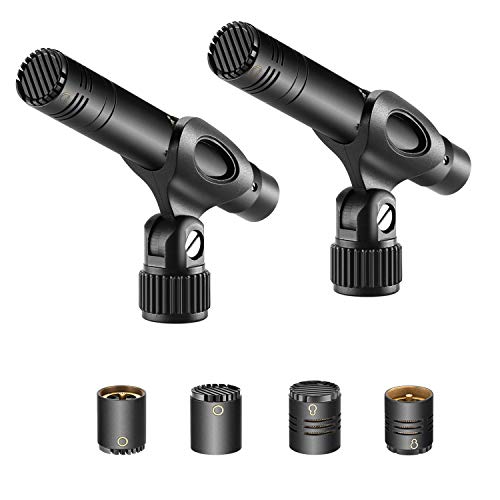
- Two microphones included
- Three interchangeable pickup patterns
- Carrying case and windscreens included
Best For: Multi-mic instrument and live recording
Best Simple Vocal Setup
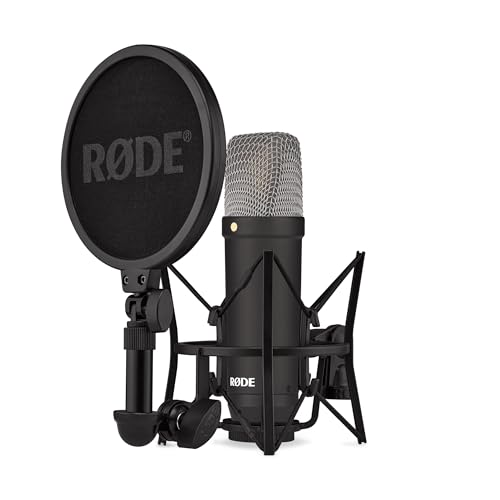
- 4.5 dBA self-noise specification
- Tight cardioid pattern
- Shock mount, pop filter, and XLR cable included
Best For: Quiet vocals and streaming with an interface
Best Professional Versatility
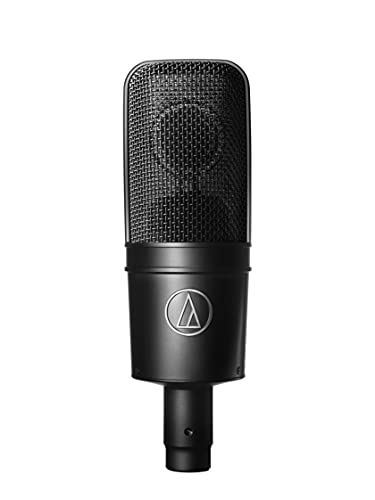
- Exceptionally low-noise design
- Wide dynamic range and high-SPL handling
- Shock mount and carrying case included
Best For: Studio vocals and demanding instruments
Affordable Studio Starter

- Large-diaphragm condenser capsule
- Cardioid pattern reduces ambience
- Includes shock mount and XLR cable
Best For: Budget-friendly home and studio recording
Project Studio Standard
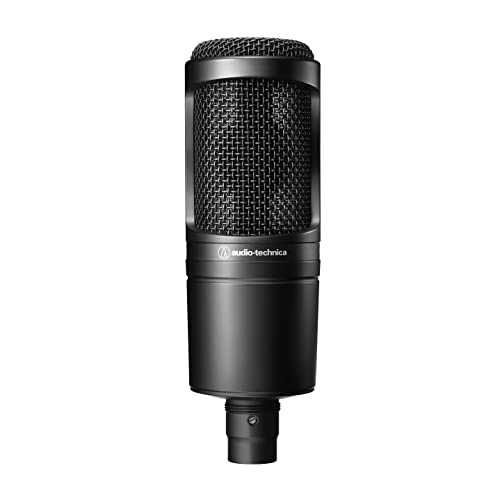
- Cardioid design improves source isolation
- Handles high SPL and wide dynamics
- Low-mass diaphragm supports extended response
Best For: Home-studio vocals and general recording
Warm Low-Noise Vocals

- Low-noise solid-state FET design
- Warm, smooth, clear vocal sound
- Low proximity effect for close recording
Best For: Close vocals and acoustic instruments
Balanced Studio Choice
AKG C104 Low-Noise Cardioid Mic
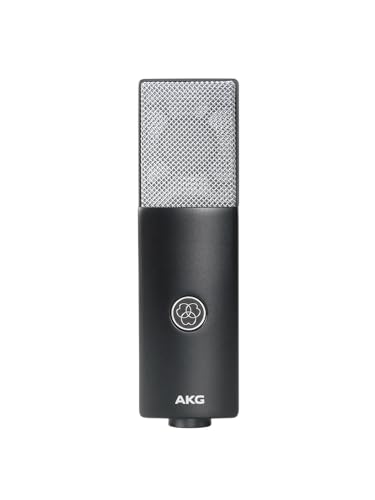
- Large-diaphragm cardioid XLR condenser
- 80 dB signal-to-noise ratio
- Includes H81 stand mount
Best For: Podcasting, broadcasting, vocals, and studio recording
Quietest Recording Pick

- 5 dB(A) ultra-low self-noise
- One-inch gold-plated diaphragm
- Includes shock mount, pop filter, and XLR cable
Best For: Vocalists, home studios, and nuanced instruments
Neutral Sound Specialist
TZ Stellar X2 Low-Noise XLR Mic
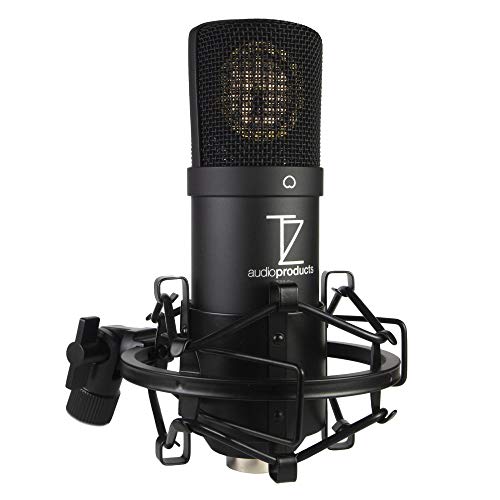
- Less-than-13 dBA noise floor
- Balanced, neutral frequency response
- Includes shock mount and flight case
Best For: Vocals and detailed recording with a 48V interface
Best Hybrid Setup – RØDE NT1 5th Gen
The RØDE NT1 5th Gen is a strong choice if you want a condenser microphone with low self noise and flexible connectivity. Its classic warm voicing, 4 dB audible noise rating, XLR output, and USB-C recording make it suitable for both interface-based studios and direct computer recording.
Best For: Home studios, voiceovers, podcasts, vocals, instruments, and creators who want both XLR and USB-C options.
Pros:
- Very low 4 dB audible noise rating and high SPL handling.
- Works through XLR with an interface or directly through USB-C.
- Includes a shock mount, pop filter, XLR cable, USB-C cable, and dust cover.
- Supports high-resolution digital recording up to 192 kHz and clip-proof 32-bit float over USB.
Cons:
- Its USB and digital features may be unnecessary for users who only need a traditional XLR microphone.
- Requires an audio interface for XLR operation.
Choose this model when setup flexibility matters as much as quiet recording. It combines the familiar NT1 sound with a convenient direct-to-computer workflow and a generous accessory package.
Best Two-Mic Value – NEEWER Pencil Condenser 2-Pack
The NEEWER two-pack offers a practical route to multi-microphone recording, with interchangeable capsules and a listed 24 dB audible noise rating. It is more versatile than a fixed-pattern condenser, though buyers specifically seeking a condenser microphone with low self noise should note that its noise specification is higher than the other options here.
Best For: Stereo-style setups, acoustic instruments, strings, horns, orchestras, choirs, and live sound applications.
Pros:
- Two microphones are included for broader recording coverage.
- Interchangeable cardioid, omnidirectional, and supercardioid capsules provide pattern flexibility.
- Includes microphone clips, foam windscreens, and a foam-padded aluminum carrying case.
- XLR connectivity suits traditional interface and mixer setups.
Cons:
- The listed 24 dB audible noise rating is not especially low for quiet vocal recording.
- Requires suitable XLR equipment and setup accessories beyond the included clips.
- The supplied details identify the model as a shotgun form factor, which may not suit every studio application.
This pair is best viewed as a flexible, portable kit rather than a specialist ultra-quiet vocal microphone. Its interchangeable capsules and two-mic format are useful when coverage and pattern choice matter most.
Best Simple Vocal Setup – RØDE NT1 Signature
The RØDE NT1 Signature is built around a quiet, large-diaphragm condenser design, making it a compelling condenser microphone with low self noise for vocal recording. Its tight cardioid pattern focuses on the performer, while the included shock mount, pop filter, and XLR cable help create a ready-to-record setup.
Best For: Vocals, streaming, voice recording, and home studios with an audio interface.
Pros:
- Specified 4.5 dBA self noise for quiet recording.
- Cardioid pattern helps focus on the voice and reject room sound.
- Includes an SM6 shock mount with pop filter, 6 m XLR cable, and dust cover.
- Uses the established NT1 large-diaphragm voicing.
Cons:
- XLR-only connectivity means an audio interface is required.
- Does not offer the NT1 5th Gen’s direct USB-C connection.
For buyers who already have an interface and want a straightforward vocal microphone, the NT1 Signature keeps the signal path simple. Its quiet capsule and included isolation accessories make it especially practical for voice-focused recording.
Best Professional Versatility – Audio-Technica AT4040
The Audio-Technica AT4040 suits buyers looking for a condenser microphone with low self noise, wide dynamic range, and high-SPL capability. Its large diaphragm and transformerless circuitry are designed for smooth, natural sound across demanding vocal and instrument applications.
Best For: Studio vocals, streaming, acoustic instruments, and recording sources with a wide range of levels.
Pros:
- Designed for exceptionally low noise, wide dynamic range, and high-SPL handling.
- Large diaphragm provides smooth, natural sonic characteristics.
- Transformerless circuitry helps reduce low-frequency distortion and preserve transients.
- Includes an AT8449 shock mount, dust cover, and protective carrying case.
Cons:
- XLR connectivity requires an audio interface or compatible preamp.
- Only a cardioid pattern is provided, limiting placement options compared with multi-pattern microphones.
- It is supplied as a microphone-focused kit rather than a complete USB recording package.
The AT4040 is a solid fit for users who prioritize controlled, natural studio capture over built-in digital convenience. Its low-noise design and high-SPL capability give it broad use across vocals and instruments.
Affordable Studio Starter – Mackie EM-91C
If you need a condenser microphone with low self noise for vocals or instruments, the Mackie EM-91C is a practical studio option. Its large-diaphragm capsule, cardioid pattern, and included shock mount and XLR cable make it ready for home or studio recording setups.
Best For: Home studios, large studios, and budget-conscious vocal or instrument recording.
Pros:
- Affordable professional-quality condenser microphone
- Cardioid pattern helps reduce ambient sound
- Includes a shock mount and XLR cable
- Rugged, reliable construction
Cons:
- Requires an XLR-compatible audio mixer or interface
- Does not include a USB connection
The EM-91C is a straightforward choice when you want a low-noise-oriented, large-diaphragm condenser for a conventional XLR recording chain without adding many accessories separately.
Project Studio Standard – Audio-Technica AT2020
The Audio-Technica AT2020 is a dependable pick for shoppers seeking a condenser microphone with low self noise for project and home studios. Its cardioid pattern improves isolation, while high SPL handling and a wide dynamic range support vocals and varied recording tasks.
Best For: Project studios, home-studio vocals, and users recording through an audio interface.
Pros:
- Designed for project and home-studio applications
- Cardioid pattern reduces pickup from the sides and rear
- High SPL handling and wide dynamic range
- Custom low-mass diaphragm supports extended frequency response
Cons:
- Requires phantom power
- Uses an XLR connection rather than USB
The AT2020 offers a versatile, conventional studio setup for buyers who value isolation, broad recording capability, and a proven low-noise specification in a compact microphone-only package.
Warm Low-Noise Vocals – MXL V87
The MXL V87 suits buyers looking for a condenser microphone with low self noise and a warmer vocal presentation. Its solid-state design emphasizes smoothness and clarity, while the low proximity effect helps maintain a more controlled sound during close-up recording.
Best For: Close-up vocals, acoustic guitars, pianos, and R&B, pop, or rock recording.
Pros:
- Low-noise FET condenser design
- Warm, smooth, and clear vocal character
- Very low proximity effect for close recording
- Suitable for acoustic guitar and piano
Cons:
- Heavier than the other listed microphones at 3 pounds
- Requires an XLR connection and suitable recording equipment
The V87 is a strong fit when low noise matters alongside a warm, polished character. Its low proximity effect makes it especially useful for singers who work close to the microphone.
Balanced Studio Choice – AKG C104 Low-Noise Cardioid Mic
The AKG C104 is a practical condenser microphone with low self noise for podcasting, broadcasting, streaming, and studio recording. Its large-diaphragm cardioid design, XLR connection, and 80 dB signal-to-noise ratio suit users who want focused voice capture through an audio setup.
Best For: Podcasting, vocals, broadcasting, and general studio recording.
Pros:
- Large-diaphragm cardioid condenser design focuses on the primary source.
- Offers an 80 dB signal-to-noise ratio and high-SPL capability.
- Metal enclosure and included H81 stand mount support regular studio use.
- Sold through authorized North American dealers with the official manufacturer warranty.
Cons:
- Uses an XLR connection rather than a direct computer connection.
- Listed audible noise is 30 dB, higher than some especially quiet alternatives.
- The package is less accessory-complete than kits that include a pop filter and cable.
The C104 is a straightforward, durable option for users already equipped with an XLR recording chain. Consider it when dependable cardioid pickup and AKG warranty coverage matter more than an all-in-one package.
Quietest Recording Pick – Superlux CMH8AMKII Studio Kit
The Superlux CMH8AMKII stands out as a condenser microphone with low self noise, rated at 5 dB(A), for clean vocal and instrument recording. Its one-inch gold-plated diaphragm, cardioid pattern, and included accessories make it particularly practical for home studios.
Best For: Vocalists, home studios, acoustic instruments, and softer performances.
Pros:
- 5 dB(A) self-noise rating supports quiet, detailed recordings.
- One-inch gold-plated diaphragm covers a 30 Hz–20 kHz response.
- Handles up to 138 dB SPL for vocals and louder instruments.
- Includes shock mount, pop filter, five-meter XLR cable, and protective pouch.
Cons:
- Requires an XLR connection and suitable powered recording equipment.
- Its included setup is geared toward studio use rather than direct plug-and-play computer recording.
- The listed signal-to-noise ratio is 70 dB, lower than the product’s very low self-noise specification might suggest.
With the lowest stated self-noise figure in this selection and a useful accessory bundle, the CMH8AMKII is an appealing choice for controlled home-studio recording. It is especially well suited to detailed sources where background hiss could be noticeable.
Neutral Sound Specialist – TZ Stellar X2 Low-Noise XLR Mic
The TZ Stellar X2 is a condenser microphone with low self noise for users seeking a balanced, neutral sound from an XLR studio mic. Its transformerless JFET circuit is rated below 13 dBA noise, while the large-diaphragm cardioid capsule is designed to capture subtle detail without an overly harsh presentation.
Best For: Vocals, detailed source recording, and users with a 48V phantom-power audio interface.
Pros:
- Noise floor is specified at less than 13 dBA.
- Balanced, neutral frequency response is intended to avoid harsh or fatiguing sound.
- High-grade brass and Japanese mylar capsule materials support sensitivity to subtle sounds.
- Includes an aluminum flight case, spring shock mount, adapter, wind cover, and leather pouch.
Cons:
- Requires an audio interface with 48V phantom power and an XLR-to-XLR cable for computer use.
- The cardioid pattern is less suitable when broad room ambience is the priority.
- The product is listed with a one-year manufacturer warranty.
The Stellar X2 is a sensible fit for singers and recordists who prefer an even, non-fatiguing tonal balance. Its quiet circuit and protective travel accessories add value, provided your setup already supplies phantom power.
How We Picked the Best Condenser Microphone with Low Self Noise
We selected microphones across several recording scenarios rather than treating one specification as universally best. The lineup includes USB/XLR models for flexible setups, traditional XLR studio microphones, pencil condensers for stereo or instrument recording, and accessible options for home studios. We considered published self-noise or equivalent noise specifications where available, along with polar pattern, sensitivity, frequency response, included accessories, build quality, and typical use.
A Condenser Microphone with Low Self Noise is only useful if the rest of the signal chain is quiet and properly matched. Preamplifier quality, room acoustics, gain staging, cable condition, and the distance between the performer and microphone can all affect the final recording.
Quick Comparison
| Best For | Look For | Recommended Types |
|---|---|---|
| Flexible home setup | USB and XLR connectivity | RØDE NT1 5th Gen |
| Vocals and voiceover | Large diaphragm, cardioid pattern | RØDE NT1, AT4040, MXL-V87 |
| Affordable project studio | Reliable XLR output and phantom power | AT2020, Mackie EM-91C |
| Acoustic instruments or stereo recording | Pencil design and selectable patterns | NEEWER 2-Pack |
| Detailed professional recording | Low equivalent noise and controlled off-axis pickup | AT4040, TZ Stellar X2, Superlux CMH8AMKII |
Key Buying Factors for a Condenser Microphone with Low Self Noise
Equivalent Noise
Equivalent noise, often listed in dB-A, estimates the microphone’s own noise floor. Lower numbers are generally better, particularly for quiet sources, close-miked detail, and recordings that will be heavily compressed or edited. Compare measurements made under similar standards rather than relying on marketing language alone.
Connection and Power
XLR microphones require an audio interface, mixer, or preamp with 48V phantom power. USB/XLR models can connect directly to a computer while still fitting into a conventional studio chain. Confirm that your interface has enough clean gain, especially when recording soft voices from a distance.
Polar Pattern and Room Sound
Cardioid microphones reduce sound arriving from behind, but they do not eliminate room reflections. A quieter microphone still benefits from acoustic treatment and careful placement. Interchangeable or multiple patterns can provide more flexibility for stereo recording, ensembles, and room capture.
Source, Placement, and Accessories
Large-diaphragm condensers are common for vocals and spoken word, while pencil condensers often suit acoustic guitar, cymbals, and stereo techniques. Check whether a shock mount, pop filter, windscreen, case, or matched pair is included. Use a pop filter for vocals and leave headroom to avoid clipping loud peaks.
Who Should Buy Which Condenser Microphone with Low Self Noise?
Choose the RØDE NT1 5th Gen if you want the broadest connectivity and a modern home-studio workflow. Choose the RØDE NT1 Signature Series for a straightforward XLR studio microphone focused on vocal and voiceover recording.
Choose the Audio-Technica AT4040 or AKG C104 when you want a more serious large-diaphragm cardioid setup for studio work. Choose the MXL-V87, TZ Stellar X2, or Superlux CMH8AMKII when detailed XLR recording is the priority and you already have a suitable interface.
Choose the AT2020 or Mackie EM-91C for an affordable entry into condenser recording. Choose the NEEWER 2-Pack when a matched-style pair and interchangeable pickup patterns are more useful than a single vocal microphone. Regardless of model, prioritize a quiet interface, correct phantom power, sensible mic distance, and basic room control.