Digital pianos with Bluetooth make practice easier by connecting to learning apps, backing tracks, and smart devices without extra cables.
If you want realistic key feel, built-in speakers, and modern wireless convenience, this roundup highlights the best options for different budgets and skill levels.
Best 10 Digital Pianos with Bluetooth Picks for 2026
Portable Practice Pick
Yamaha P145BT: Compact Weighted 88-Key Piano
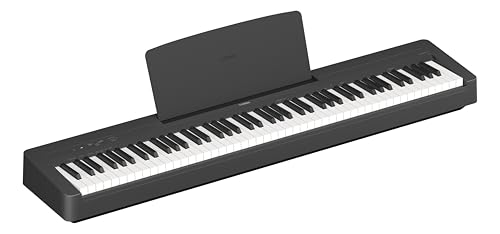
- 88 weighted keys with Graded Hammer Compact action
- Bluetooth audio for streaming and play-along use
- Compact body with built-in speakers and included accessories
Best For: Players who want an acoustic-style feel in a slim, portable piano with Bluetooth playback
Balanced Performer
Roland FP-30X: Portable Piano with Bluetooth

- PHA-4 keyboard with ivory-feel 88-note action
- Bluetooth audio and MIDI for lessons and streaming
- 22-watt stereo speakers and SuperNATURAL sound
Best For: Players who want a portable, higher-performing digital piano with Bluetooth audio and MIDI features
Full-Size Feature Set
Donner DDP-300: Bluetooth Digital Piano

- 88 graded hammer action weighted keys
- Bluetooth plus MIDI and audio output options
- 10 voices, 128 polyphony, and built-in 3D-style speakers
Best For: Adults or kids who want a full-size digital piano with weighted keys, Bluetooth, and built-in speakers
Beginner-Friendly Choice
Roland FP-10: Compact Bluetooth Digital Piano

- 88-note keyboard with expressive ivory-feel action
- Bluetooth and USB connectivity for practice and software
- SuperNATURAL sound engine with built-in speakers
Best For: Beginners who want an authentic-feeling compact piano with Bluetooth and app-friendly connectivity
Minimalist Home Choice
Donner OURA S100 88-Key Bluetooth Digital Piano

- Graded hammer action with 88 full-size keys
- Dual-mode Bluetooth for MIDI and audio
- Compact Scandinavian-style design for home use
Best For: Beginners who want a weighted piano with wireless connectivity and a clean look
Performance-Ready Pick
Yamaha DGX-670B Weighted Digital Piano
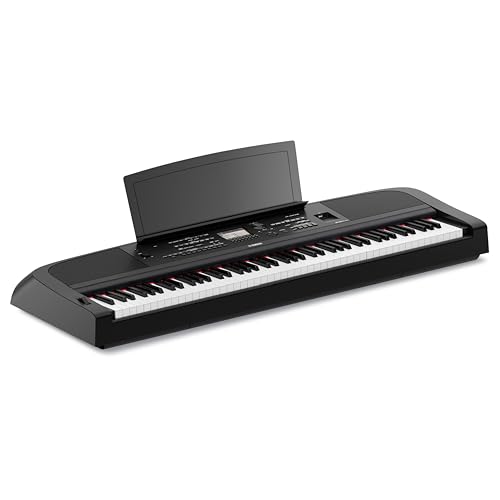
- Weighted keys with heavier low-end touch
- CFX Stereo Sampling and 630 voices
- Bluetooth plus accompaniment and learning features
Best For: Players who want a feature-packed digital piano for practice and performance
Smart Learning Option
The ONE PLAY Lighted Key Digital Piano

- Lighted keys support app-guided learning
- 88 weighted hammer-action keys
- Bluetooth, MIDI, and large lesson library
Best For: Beginners and self-learners who want an interactive teaching piano
Weighted Beginner Pick
Yamaha P71 88-Key Weighted Digital Piano

- 88 weighted keys for an acoustic-style touch
- 10 voices with Dual Mode layering
- Simple controls with sustain pedal included
Best For: Players who want a straightforward weighted piano for practice and lessons
Bluetooth Starter Bundle
88-Key Semi-Weighted Piano Set with Bluetooth

- Bluetooth, MIDI, and USB for learning and recording
- Includes stand, pedal, headphones, and case
- 200 rhythms and 200 sounds for practice variety
Best For: Beginners who want a complete keyboard kit with wireless connectivity
Portable Practice Pick – Yamaha P145BT: Compact Weighted 88-Key Piano
If you’re comparing digital pianos with bluetooth for home practice or travel, the Yamaha P145BT is built around a simple, practical setup. It pairs 88 weighted, touch-sensitive keys with a compact body, built-in speakers, and Bluetooth audio so you can stream songs and play along without extra gear.
Best For: Players who want an acoustic-style feel in a slim, portable piano with easy Bluetooth playback.
Pros:
- 88 weighted, touch-sensitive keys with Graded Hammer Compact action
- Bluetooth audio for streaming and playing along with music
- Built-in speakers plus included music rest, sustain foot switch, and AC adapter
- Works with Smart Pianist and Rec’n’Share apps for practice and sharing
Cons:
- Bluetooth is for audio playback, not described as headphone support
- Compact design may feel less substantial than a full cabinet piano
The P145BT focuses on essentials: weighted keys, portable size, and app-friendly connectivity. For buyers who want a straightforward digital piano with bluetooth for everyday playing, it offers a balanced mix of realism and convenience.
Balanced Performer – Roland FP-30X: Portable Piano with Bluetooth
The Roland FP-30X stands out in the digital pianos with bluetooth category if you want a portable model with stronger performance features. It combines 88-note PHA-4 keys, the SuperNATURAL sound engine, and Bluetooth audio plus MIDI support for lessons, streaming, and app control.
Best For: Players who want a portable, higher-performing digital piano with Bluetooth audio and MIDI features.
Pros:
- SuperNATURAL sound engine with rich, expressive piano tone
- Bluetooth audio and MIDI support for mobile devices
- PHA-4 Standard keyboard with ivory-feel keys
- Powerful 22-watt stereo speakers and Piano Partner 2 app integration
Cons:
- Bluetooth headphones are not supported
- Heavier than some compact entry-level portable pianos
This is a strong middle-ground choice for players who want more sound and control than a basic portable piano. Its Bluetooth features are especially useful if you plan to practice with apps or stream backing tracks.
Full-Size Feature Set – Donner DDP-300: Bluetooth Digital Piano
If you want digital pianos with bluetooth and a more furniture-style presence, the Donner DDP-300 brings a full-size 88-key layout with graded hammer action, multiple voices, and built-in speakers. It is designed for players who want a weighted feel, flexible connectivity, and a broader feature set for practice or home use.
Best For: Adults or kids who want a full-size digital piano with weighted keys, Bluetooth, and a built-in speaker system.
Pros:
- 88 graded hammer action weighted keys for a realistic touch
- Bluetooth connectivity plus MIDI and audio output
- 10 HD timbres, 128 polyphony, and 4 reverb settings
- Dual tweeters and subwoofer for a 3D surround sound experience
Cons:
- Much heavier and larger than a portable piano
- Best suited to a fixed home setup rather than travel
The DDP-300 emphasizes touch, sound variety, and a more substantial playing experience. If your priority is a full-size instrument with Bluetooth and room-filling sound, this model covers a lot of ground.
Beginner-Friendly Choice – Roland FP-10: Compact Bluetooth Digital Piano
The Roland FP-10 is a compact option for shoppers comparing digital pianos with bluetooth on a tighter budget or in a smaller space. It offers 88-note keys, Roland’s SuperNATURAL Piano sound engine, onboard speakers, and Bluetooth plus USB connectivity for practice and software use.
Best For: Beginners who want an authentic-feeling compact piano with Bluetooth and app-friendly connectivity.
Pros:
- 88-note keyboard with expressive, ivory-feel action
- Bluetooth and USB connectivity for devices and software
- SuperNATURAL Piano Tones with built-in speakers
- Includes a DP-2 foot switch and sheet music rest
Cons:
- Special features are more basic than on higher-end models
- 3.5mm headphone jack is smaller than the 6.35mm jacks found on some rivals
The FP-10 keeps the focus on feel, sound, and straightforward connectivity. For a compact starter piano with Bluetooth support and credible acoustic-style response, it is a solid place to begin.
Minimalist Home Choice – Donner OURA S100 88-Key Bluetooth Digital Piano
If you want one of the more design-friendly digital pianos with bluetooth, the Donner OURA S100 is built to fit a modern room as well as a practice routine. Its graded hammer action aims for a more acoustic-style feel, while the Bluetooth MIDI+AUDIO connection makes it easy to link with phones or tablets for lessons, playback, and music creation.
Best For: Beginners who want a weighted 88-key piano with a clean, Scandinavian-inspired look and wireless connectivity.
Pros:
- Graded hammer standard keyboard for a more piano-like touch
- Dual-mode Bluetooth supports both MIDI and audio connections
- Includes 3 built-in original MIDI demo songs
- Compact, minimalist design that suits home decor
Cons:
- Only 2 x 10 W speakers, so it is not the most powerful option
- Lighted, smart-learning features are not part of the spec list
- Best suited to beginner use rather than advanced stage needs
The OURA S100 is a practical pick if you value touch, simplicity, and wireless convenience over extra performance extras. It focuses on the essentials: weighted keys, solid sound, and a cleaner home-friendly presentation.
Performance-Ready Pick – Yamaha DGX-670B Weighted Digital Piano
The Yamaha DGX-670B stands out among digital pianos with bluetooth if you want a feature-rich instrument that goes beyond basic practice. It combines weighted keyboard action with Yamaha’s CFX stereo sampling, a large set of voices, accompaniment styles, and app support for players who want both piano realism and broader performance tools.
Best For: Players of all levels who want a weighted digital piano with strong sound, accompaniment features, and Bluetooth connectivity.
Pros:
- Weighted action is heavier in the low keys and lighter in the high keys
- CFX Stereo Sampling delivers Yamaha’s flagship grand piano sound
- 630 voices and 263 accompaniment styles add versatility
- Bluetooth connectivity and Yamaha music app support expand usability
Cons:
- Stand and bench are sold separately
- Heavier and larger than simpler beginner keyboards
- More features may be unnecessary if you only want a basic piano setup
This model makes sense for buyers who want a serious home instrument with extra creative options. If you want piano realism plus built-in performance features, the DGX-670B is one of the stronger all-around choices.
Smart Learning Option – The ONE PLAY Lighted Key Digital Piano
For shoppers comparing digital pianos with bluetooth, The ONE PLAY is aimed squarely at learning and guided practice. Its 88 hammer-action weighted keys are paired with lighted keys, a large app-based music library, and Bluetooth/MIDI support, making it especially appealing if you want an interactive teaching setup at home.
Best For: Beginners, kids, and self-learners who want a smart piano with guided lessons and lighted keys.
Pros:
- 88 progressive weighted hammer-action keys for a more authentic feel
- Lighted keys sync with the app to guide practice
- Bluetooth and USB-MIDI support add connectivity options
- Built-in 4-speaker system and large music library enhance learning
Cons:
- Smart features depend heavily on the companion app
- Not as focused on traditional piano-only use as a simpler model
- Warranty is listed as none in the supplied details
This is a strong choice if your main goal is to learn faster with interactive tools. It offers a lot of teaching support, but buyers who want a straightforward traditional piano experience may prefer a simpler instrument.
Weighted Beginner Pick – Yamaha P71 88-Key Weighted Digital Piano
If you want digital pianos with bluetooth, note that the Yamaha P71 keeps things focused on playing rather than extra app features. It offers an 88-key weighted action for an acoustic-style feel, plus 10 Voices and Dual Mode for layered sounds, making it a practical choice for straightforward practice and expressive playing.
Best For: Players who want a simple, weighted 88-key piano with easy operation and basic connectivity.
Pros:
- Weighted 88-key action designed to feel closer to an acoustic piano
- 10 Voices, including Yamaha grand piano sound, plus Dual Mode layering
- Simple one-button operation keeps controls easy to use
- Includes sustain pedal and power supply
Cons:
- No Bluetooth listed in the supplied details
- Limited to 10 Voices compared with feature-heavy beginner keyboards
For buyers prioritizing piano feel over app-based features, the P71 is a clean, no-fuss option. It suits practice, lessons, and home use when weighted keys matter more than wireless extras.
Bluetooth Starter Bundle – 88-Key Semi-Weighted Piano Set with Bluetooth
Among digital pianos with bluetooth, this 88-key starter bundle stands out for packing in a lot of beginner-friendly extras. It uses semi-weighted keys, includes 200 rhythms and 200 sounds, and adds Bluetooth, MIDI, and USB support for practice, lessons, and simple recording setups.
Best For: Beginners who want an all-in-one keyboard kit with Bluetooth and a full accessory bundle.
Pros:
- Bluetooth connectivity for linking to a phone for lessons
- 88 semi-weighted keys aimed at beginners
- Large sound set with 200 rhythms, 200 sounds, and 70 demo songs
- Includes stand, sustain pedal, headphones, keyboard bag, and key stickers
Cons:
- Semi-weighted action is less piano-like than fully weighted keys
- Details are geared more toward practice than advanced performance
This is a strong value pick if you want Bluetooth plus a complete starter package. The included accessories make it easy to set up at home and begin learning right away.
Feature-Rich Practice Pick – 88-Key Bluetooth Piano Set with MIDI
If you’re comparing digital pianos with bluetooth, this model leans heavily into features and practice flexibility. It pairs semi-weighted 88 keys with 1000 timbres, 1000 rhythms, 150 demo songs, and dual keyboard function, while also adding MIDI and a dual-mode Bluetooth interface for app and device connections.
Best For: Students and home players who want lots of sounds, Bluetooth connectivity, and a full accessory kit.
Pros:
- Dual-mode Bluetooth interface plus MIDI support
- Very large sound library with 1000 timbres and 1000 rhythms
- 88 semi-weighted keys with dual keyboard function
- Includes stand, carrying case, headphones, and key stickers
Cons:
- Semi-weighted action may not satisfy players wanting full hammer-weight realism
- Feature-heavy design may be more than needed for simple piano-only practice
This model is aimed at users who want more than a basic keyboard, especially for practice variety and connected learning. Its bundled accessories and Bluetooth features make it a flexible home setup.
How We Picked These Digital Pianos with Bluetooth
We focused on the features that matter most to real buyers: key action, sound quality, Bluetooth implementation, speaker performance, portability, and value. We also looked for models that serve clear use cases, from true beginner setups to more advanced home instruments.
Because Bluetooth can mean different things on different instruments, we prioritized practical wireless functionality for app connection, playback, and learning support rather than marketing claims alone.
Quick Comparison
In general, the list splits into three groups: entry-level models for casual practice, midrange digital pianos that balance feel and features, and more premium instruments for players who want stronger sound engines and a better playing experience. Compact models are easier to move and fit smaller spaces, while full-size weighted options usually feel more authentic.
Key Buying Factors for Digital Pianos with Bluetooth
Key Action
Weighted or graded hammer action is usually the best choice if you want a piano-like feel. Semi-weighted keys can work for beginners or lighter playing, but they do not fully replicate an acoustic piano.
Bluetooth Functionality
Check whether the piano supports Bluetooth MIDI, Bluetooth audio, or both. MIDI is useful for learning apps and recording software, while audio streaming is better for playing along with songs.
Sound and Speakers
A strong speaker system matters if you plan to play without external amplification. If you practice at home, richer onboard sound can make a big difference in long-term enjoyment.
Size, Connectivity, and Extras
Consider whether you need a furniture-style cabinet, a portable slab design, or a package that includes a stand, pedal, and bench. Also look for headphone support, USB connectivity, and layer or split functions if you want more flexibility.
Who Should Buy Which Digital Pianos with Bluetooth?
Beginners often do best with a straightforward 88-key model that includes Bluetooth and the essentials for practice. Intermediate players may prefer a weighted piano with better touch response and more refined sound. If you are shopping for a family room, studio apartment, or lesson space, portability and compact design may matter more than extra voices or advanced features.
For buyers comparing Digital Pianos with Bluetooth, the best choice is usually the one that matches your playing goals first and the wireless features second. Focus on feel, sound, and usability, and Bluetooth becomes a helpful bonus rather than the main reason to buy.