The right microphone can make spoken-word audio sound fuller, cleaner, and more consistent without requiring a complicated studio setup. This roundup compares 10 dynamic microphones with built-in preamps and related USB/XLR models for creators, streamers, podcasters, and home recordists.
We focus on connection flexibility, gain requirements, monitoring, vocal clarity, and everyday usability so you can choose a microphone that fits your setup and budget.
Best 10 Dynamic Microphones with Built in Preamp Picks for 2026
Best Overall
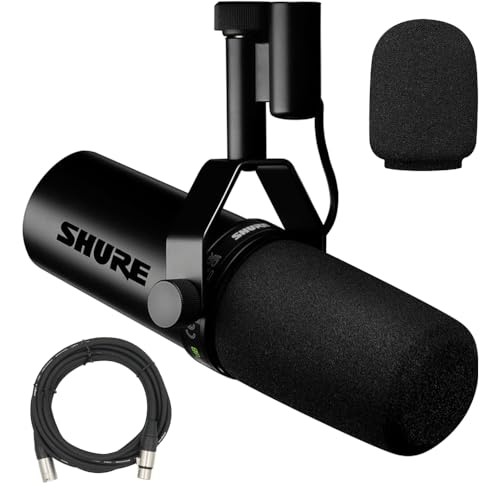
- Selectable +18 dB or +28 dB built-in preamp
- Warm SM7B-style sound with cardioid isolation
- Includes windscreen and 20-foot XLR cable
Best For: Podcasts, streaming, vocals, and recording
Best Wireless Flexibility

- Wireless, USB, and XLR connectivity
- Up to 60 hours of battery life and 60m range
- Supports two-mic wireless interviews
Best For: Mobile podcasting, interviews, and flexible creator setups
Best Classic Vocal Sound

- SM7B-based warm, natural vocal character
- Selectable +18 dB and +28 dB onboard gain
- Rugged build with shock isolation and shielding
Best For: XLR podcasting, streaming, and vocal recording
Best Desktop Starter Kit

- USB and XLR dual-mode connectivity
- Includes stand, shock mount, pop filter, and cables
- Zero-latency headphone monitoring in USB mode
Best For: Home podcasting, streaming, gaming, and voice recording
Premium Studio Choice
Shure SM7dB Dynamic Vocal Microphone

- Selectable +18 dB or +28 dB built-in gain
- Cardioid design with onboard pop filtering
- Bass-roll-off and presence EQ switches
Best For: Professional podcasting, streaming, voiceover, and studio vocals
Flexible Gaming Pick
FIFINE AmpliGame AM8 USB/XLR Microphone

- USB and XLR connectivity
- USB tap-to-mute and headphone monitoring
- Cardioid pickup with controllable RGB lighting
Best For: Gaming, streaming, and beginner creator setups
All-in-One Creator Setup
sE Electronics DynaCaster DCM8

- Switchable +30 dB preamp gain
- Six EQ configurations via trim switches
- Integrated pop filter and shockmount
Best For: XLR podcasting and content creation with minimal accessories
Best Smart USB/XLR Pick

- USB-C and XLR connectivity
- Auto level and real-time denoising
- LED touch controls with mute
Best For: Creators who want flexible connections and automated recording controls
Best Complete Preamp Setup
sE Electronics DynaCaster DCM6

- Switchable 30 dB gain with phantom power
- Integrated pop filter and shockmount
- Speech-focused cardioid XLR design
Best For: XLR users building a complete podcast or broadcast setup
Best Budget USB/XLR Flexibility

- USB and XLR recording options
- USB gain, mute, and headphone monitoring
- Windscreen and shock mount included
Best For: Home creators who want simple USB recording with an XLR upgrade path
Best Overall – Shure SM7dB
The Shure SM7dB is a strong choice among dynamic microphones with built in preamp for podcasters, streamers, and vocalists who want the familiar SM7B sound without an external gain booster. Its selectable +18 dB or +28 dB preamp runs from +48V phantom power, while the bypass switch preserves the original unboosted output.
Best For: Podcasters, streamers, vocalists, and home-studio users seeking warm, focused audio and flexible gain control.
Pros:
- Built-in preamp provides up to +28 dB of low-noise, transparent gain.
- Cardioid pickup and rear rejection help reduce background noise.
- Switchable EQ, detachable windscreen, and included 20-foot XLR cable add setup flexibility.
Cons:
- Requires an XLR interface or mixer with +48V phantom power for the preamp.
- Its premium feature set may be more than casual users need.
The SM7dB is especially practical when you want classic broadcast-style sound while keeping your signal chain simpler. The bypass mode also makes it adaptable to more advanced recording systems.
Best Wireless Flexibility – MAONO PD200W
The MAONO PD200W stands out among dynamic microphones with built in preamp for creators who want wireless, USB, and XLR connection options in one microphone. It combines a 30mm dynamic capsule with cardioid pickup, noise cancellation, and app-based sound controls for flexible recording at home or on the move.
Best For: Mobile creators, podcasters, streamers, and interviewers who need wireless freedom plus USB and XLR connectivity.
Pros:
- Supports wireless, USB, and XLR workflows.
- Offers up to a 60-meter wireless range and up to 60 hours of battery life with RGB off.
- Can connect two wireless desktop microphones to one receiver for dual-track conversations.
- MaonoLink provides four presets plus EQ and reverb adjustments.
Cons:
- Camera and Lightning accessories are sold separately.
- Wireless operation requires battery management.
The PD200W is the most versatile option here for creators who move between desktop, mobile, and wireless setups. Its multiple connection modes make it easier to adapt the microphone to different recording environments.
Best Classic Vocal Sound – Shure SM7dB Black
The Shure SM7dB is a dependable pick among dynamic microphones with built in preamp when vocal clarity and a streamlined XLR setup are priorities. It uses the SM7B dynamic cartridge and frequency response, adds selectable +18 dB or +28 dB gain, and includes controls for shaping bass and midrange presence.
Best For: Streamers, podcasters, and recording users who want a rugged microphone with classic broadcast-style vocal character.
Pros:
- Built-in gain reduces the need for a separate inline booster.
- Cardioid pickup, air suspension, and shielding help limit room noise, vibration, and interference.
- Rear-panel switches provide bass roll-off and presence boost options.
- All-metal construction is suited to regular studio or travel use.
Cons:
- Uses XLR connectivity rather than direct USB.
- The preamp requires +48V phantom power.
Choose this version if you want the SM7dB’s focused vocal presentation and simple gain management in a durable package. It is less flexible for USB-only setups, but well suited to an interface-based recording chain.
Best Desktop Starter Kit – MAONO HD300T
The MAONO HD300T is a practical entry point among dynamic microphones with built in preamp for users who want both USB convenience and XLR compatibility. Its cardioid dynamic capsule focuses on front-facing vocals, while USB mode adds zero-latency headphone monitoring and desktop volume control.
Best For: Podcasters, streamers, singers, gamers, and home-office users who want an included desktop recording setup.
Pros:
- USB/XLR dual-mode design works with computers, interfaces, and mixers.
- Includes a desktop stand, shock mount, pop filter, USB cable, and XLR cable.
- Built-in headphone output supports zero-latency monitoring in USB mode.
- Cardioid pickup helps reduce unwanted room sound and reflections.
Cons:
- The supplied notes do not specify a selectable gain amount for the onboard preamp.
- USB monitoring and volume control are tied to USB mode.
The HD300T makes sense for creators assembling a first desktop setup because the main accessories are included. Its dual-output design also leaves room to move from direct computer recording to an interface-based workflow.
Premium Studio Choice – Shure SM7dB Dynamic Vocal Microphone
The Shure SM7dB is a strong option among dynamic microphones with built in preamp for creators who want the familiar warm, controlled SM7B-style sound without adding an external inline booster. Its selectable gain and onboard tone controls make it practical for podcasting, streaming, voiceover, and studio recording through an XLR interface.
Best For: Podcasters, broadcasters, streamers, and vocalists seeking a refined XLR microphone with selectable built-in gain.
Pros:
- Selectable +18 dB or +28 dB clean gain can simplify the signal chain.
- Cardioid pickup, pop filtering, and electromagnetic shielding support focused, clean speech capture.
- Rear-panel bass-roll-off and mid-range-presence switches provide convenient tone shaping.
- Air suspension shock isolation helps reduce mechanical noise.
Cons:
- It requires an XLR connection and corded power.
- At 2.7 pounds, it is relatively substantial for a microphone.
- This renewed model includes a 90-day limited warranty.
The SM7dB is best suited to buyers prioritizing vocal quality, durable construction, and flexible gain staging over a compact or USB-first setup. The renewed version is worth considering when its professional feature set fits the budget and warranty expectations.
Flexible Gaming Pick – FIFINE AmpliGame AM8 USB/XLR Microphone
The FIFINE AmpliGame AM8 is a versatile choice among dynamic microphones with built in preamp for gaming, streaming, and beginner podcast setups. Its USB connection provides a straightforward starting point, while XLR connectivity allows a later move to an audio interface or mixer.
Best For: Gamers and beginner creators who want USB convenience, optional XLR expansion, headphone monitoring, and RGB controls.
Pros:
- USB and XLR connections support both simple computer use and future setup upgrades.
- Tap-to-mute, a headphone jack, monitoring volume, and a gain knob are available in USB mode.
- Cardioid pickup and a windscreen help focus voice capture and reduce unwanted noise.
- Built-in threads fit common 3/8-inch and 5/8-inch mic stands without an external adapter.
Cons:
- An XLR cable is required separately for XLR operation.
- RGB and the function controls are inactive when using XLR.
- The listed frequency response is 50 Hz–16 kHz, which is less extensive than some studio-oriented options.
The AM8 makes the most sense for users who value an easy USB workflow now but want the option to add interface-based recording later. Its gaming-focused controls and lighting are useful extras, though they do not carry over to XLR mode.
All-in-One Creator Setup – sE Electronics DynaCaster DCM8
The sE Electronics DynaCaster DCM8 stands out among dynamic microphones with built in preamp by combining switchable gain, onboard EQ options, a shockmount, and pop-filtering features in one XLR setup. It is designed for focused vocal recording but can also handle high-SPL sources such as guitar amps, drums, and bass.
Best For: Podcasters and content creators who want integrated gain, tone shaping, pop protection, and vibration control.
Pros:
- Switchable +30 dB gain can strengthen output from lower-gain interfaces when 48V phantom power is available.
- Two trim switches provide six EQ configurations for shaping the sound before processing.
- Integrated three-layer pop filter and shockmount reduce plosives, handling noise, and vibration.
- Front-addressed cardioid capture focuses on the speaker while helping isolate ambient sound.
Cons:
- It uses XLR connectivity and requires 48V phantom power for the preamp gain.
- It does not offer a USB connection for direct computer recording.
- The included integrated features may be more than needed for a simple, minimal setup.
The DynaCaster is a compelling fit when you want to reduce accessory clutter while retaining meaningful control over gain and tone. Its complete hardware package makes it particularly practical for voice-focused creator stations using an interface, mixer, or compatible camera setup.
Best Smart USB/XLR Pick – Shure MV7+ Podcast Microphone
The Shure MV7+ is a flexible choice among dynamic microphones with built in preamp-style features, combining USB-C convenience with XLR connectivity. Auto Level Mode, real-time denoising, and a customizable LED touch panel make it especially practical for podcasting, streaming, video calls, and recording.
Best For: Podcasters, streamers, and creators who want automatic level control, noise reduction, and both USB-C and XLR connection options.
Pros:
- USB-C and XLR outputs support plug-and-play or interface-based setups.
- Auto Level Mode helps maintain consistent volume as speaking distance changes.
- Real-time denoising and built-in reverb provide useful recording and streaming controls.
- LED touch panel includes level monitoring and tap-to-mute control.
Cons:
- Its advanced features are primarily suited to powered USB-C or XLR setups.
- The microphone weighs 1.9 pounds, so a sturdy mounting solution may be helpful.
Choose the MV7+ if you want a polished, adaptable microphone with strong onboard controls and an easy path from computer recording to a more customized XLR configuration.
Best Complete Preamp Setup – sE Electronics DynaCaster DCM6
The sE Electronics DynaCaster DCM6 is a strong match for shoppers seeking dynamic microphones with built in preamp capability. Its switchable 30 dB of gain works with 48V phantom power, while the integrated pop filter, shockmount, and swivel mount create a ready-to-use XLR setup for speech-focused recording.
Best For: Broadcasters, voiceover artists, podcasters, and streamers using an audio interface or mixer with phantom power.
Pros:
- Built-in preamp provides switchable +30 dB of clean gain with 48V phantom power.
- Front-addressed cardioid capsule is tailored for natural, intelligible speech.
- Integrated pop filter, removable windscreen, and shockmount reduce common recording problems.
- Durable all-metal housing and flexible swivel mount support long-term, precise use.
Cons:
- XLR-only connectivity requires an audio interface, mixer, or other compatible device.
- The built-in gain boost depends on 48V phantom power.
The DynaCaster DCM6 is particularly compelling when you want the benefits of an inline preamp without adding a separate accessory, while also getting useful mounting and pop-filter components in the package.
Best Budget USB/XLR Flexibility – FIFINE AmpliTank K688
The FIFINE AmpliTank K688 offers a practical two-connection approach for buyers comparing dynamic microphones with built in preamp-style convenience. USB provides plug-and-play recording with gain, mute, and headphone controls, while XLR supports use with a sound card or mixer for a more studio-oriented setup.
Best For: Home podcasters, streamers, and voiceover users who want USB simplicity now and XLR compatibility later.
Pros:
- USB and XLR outputs accommodate both computer and interface-based recording.
- USB mode includes gain control, tap-to-mute, headphone monitoring, and volume adjustment.
- Cardioid pickup pattern helps limit background noise from sources such as computer fans.
- Included windscreen and shock mount help reduce plosives and low-frequency vibration.
Cons:
- Arm stand, microphone stand, and XLR cable are not included.
- Mute, gain, and headphone controls are available only through the USB connection.
- The microphone is intended for close-distance recording.
The K688 is a sensible entry point for creators who need straightforward USB recording but want to retain an XLR upgrade path, provided they account for the additional stand and cable requirements.
How We Picked the Best Dynamic Microphones with Built in Preamp
We evaluated these microphones by looking at the features that matter most for spoken-word recording and streaming: connection options, preamp or active-gain design, pickup pattern, onboard controls, monitoring support, included accessories, and compatibility with computers and audio interfaces. We also considered how easily each model can fit into a desk-based setup, from a simple USB connection to a more advanced XLR chain.
Because product configurations can vary, confirm the listed accessories, cable type, warranty status, and whether a model is new or renewed before buying.
Quick Comparison
| What to compare | Best fit |
|---|---|
| USB and XLR connectivity | Creators who want simple setup now and upgrade flexibility later |
| Built-in preamp or active gain | Interfaces with modest microphone gain or longer cable runs |
| Traditional XLR design | Users already working with an audio interface or mixer |
| USB-C connectivity | Modern computers, tablets, and streamlined desktop rigs |
| Shockmount, pop filter, or windscreen | Buyers who want fewer accessories to purchase separately |
Key Buying Factors for Dynamic Microphones with Built-In Preamp
Connection and Compatibility
USB is the easiest route for direct computer recording, while XLR integrates with mixers and interfaces. A hybrid USB/XLR microphone is useful if you want a simple starting point without giving up future upgrade options. Check connector types and operating-system compatibility before ordering.
Gain and Preamp Design
Dynamic microphones often need more clean gain than condenser microphones. An internal preamp or active-gain circuit can make the microphone easier to drive, but it may require USB power or phantom power when used through XLR. Follow the manufacturer’s requirements and verify that your interface can provide the necessary power safely.
Voice Character and Placement
Most models here use a front-addressed cardioid pattern, which helps reject sound from behind the microphone. You will still need to speak close to the capsule, aim it correctly, and keep the microphone away from keyboard noise and reflective walls. A windscreen or pop filter can reduce plosives, but it cannot replace good placement.
Controls and Monitoring
Mute buttons, headphone outputs, headphone volume, and mix controls can make live recording more convenient. These features are especially valuable for streamers who need to monitor their voice without introducing distracting latency.
Who Should Buy Which Dynamic Microphones with Built in Preamp?
Choose a USB/XLR hybrid model if you want plug-and-play computer recording today and the option to move to an interface later. Choose a microphone with a built-in preamp if your interface has limited clean gain or you want stronger output without adding an external booster. Choose a conventional XLR model if you already own a capable interface and prefer a focused, traditional signal chain.
For streaming and gaming, prioritize easy monitoring, mute access, and USB simplicity. For podcasting, prioritize vocal consistency, plosive control, and an included shockmount or pop filter. For studio-style recording, compare the microphone’s tonal character with your voice and leave room in your budget for a stable boom arm, quality interface, and acoustic improvements.