Finding the right amp is easier when you need more than one input. The best keyboard amplifiers with multiple inputs let you connect keys, backing tracks, microphones, or even a second instrument without extra gear.
Below, we’ve focused on models that balance channel count, power, portability, and practical features so you can choose the right setup for home, rehearsal, or small-stage use.
Best 10 Keyboard Amplifiers with Multiple Inputs Picks for 2026
Editor’s Pick
Roland KC-200 4-Channel Keyboard Amp

- 100 watts with four line input channels
- Aux input plus XLR mic and output options
- 12-inch two-way speaker with updated bass response
Best For: Compact multi-input keyboard setups
High-Power Performer
Behringer ULTRATONE KXD15 600W 4-Channel Amp
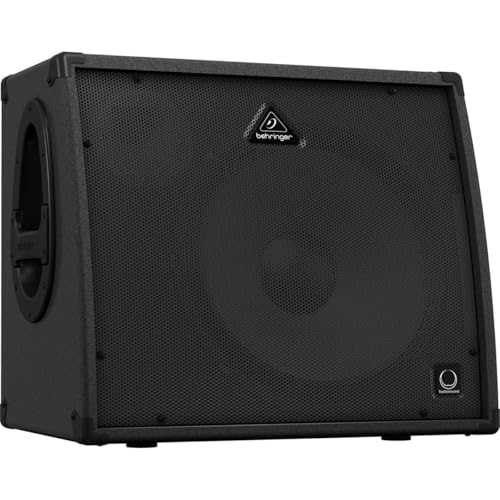
- 600-watt bi-amped design with four channels
- 15-inch TURBOSOUND speaker and 1-inch driver
- KLARK TEKNIK FX with 100 presets
Best For: Loud rehearsals and live keyboard setups
Budget-Friendly Pick
Roland KC-80 3-Channel Keyboard Amp

- Three input channels plus dedicated aux input
- 50 watts with 10-inch woofer and tweeter
- XLR mic input and line/headphone/sub outputs
Best For: Smaller practice rooms and simple keyboard rigs
Classic Value
Peavey KB 2 50W 1x10 Keyboard Amp

- Four channels with 1/4-inch and XLR inputs
- Biamped 45W + 12W design
- Headphone out for quiet practice
Best For: Compact practice and basic multi-input setups
Flexible 3-Channel Practice Amp
Behringer K900fx 90W PA/Keyboard Amp

- 3-channel operation with separate volume and FX send
- FBQ feedback detection for fast frequency spotting
- 90W solid-state amp with 15-inch speaker
Best For: Players needing a flexible 3-input keyboard amp for practice or rehearsal
Dual-Channel Workhorse

- Two separate channels for multiple sources
- 2-band EQ on each channel
- Headphone out for quiet practice
Best For: Players wanting a no-frills dual-input keyboard amp
High-Power 4-Channel Rig
Behringer KXD12 600W Keyboard Amp

- 4-channel PA/keyboard amp for multiple sources
- 600W Class-D output with 12-inch Turbosound speaker
- Klark Teknik FX with 100 presets and FBQ detection
Best For: Players needing four inputs, onboard effects, and strong output
Portable Practice Pick
Coolmusic DM30 30W 2-Channel Amp

- 30W output with two speakers and 2-channel input
- 3-band EQ plus Bluetooth and AUX-style playback support
- Headphone output and DI out for practice or expansion
Best For: compact practice with multiple input options
Most Flexible Small Amp
Donner DKA-20 20W 2-Channel Keyboard Amp

- Two inputs with separate volume and 3-band EQ
- Aux input, headphone jack, DI out, and mic support
- Compact 20W design for practice and small rooms
Best For: budget-minded players needing multiple inputs and mic capability
Editor’s Pick – Roland KC-200 4-Channel Keyboard Amp
If you want keyboard amplifiers with multiple inputs for a compact setup, the Roland KC-200 is a practical 100-watt option with four 1/4-inch line channels, an aux input, and useful outputs for monitoring or recording. Its redesigned power section and 12-inch two-way speaker system are aimed at stable performance and fuller bass in a straightforward stage or rehearsal amp.
Best For: Players who need a compact 4-channel keyboard amp with flexible input options for rehearsals and small gigs.
Pros:
- Four 1/4-inch line input channels for multi-keyboard or small band setups
- Dedicated auxiliary input with 1/8-inch and RCA jacks
- XLR mic input plus line, headphones, and sub outputs
- 12-inch woofer and tweeter for a two-way speaker design
Cons:
- 100 watts may be limiting for larger rooms
- Best suited to a compact, straightforward feature set rather than advanced effects
The KC-200 focuses on the essentials: multiple inputs, durable metal jacks, and a clean layout that is easy to work into a keyboard rig. For buyers who want a dependable all-around amp without extra complexity, it is a strong fit.
High-Power Performer – Behringer ULTRATONE KXD15 600W 4-Channel Amp
For players comparing keyboard amplifiers with multiple inputs and plenty of headroom, the Behringer ULTRATONE KXD15 stands out as a 600-watt 4-channel PA-style amp. It combines a 15-inch TURBOSOUND speaker, a 1-inch driver, and KLARK TEKNIK effects, making it a feature-rich choice when you need both power and onboard processing.
Best For: Keyboard players who want a powerful 4-channel amp with built-in effects for louder rehearsals and live use.
Pros:
- 600-watt bi-amped design for strong output
- Four channels for flexible input handling
- 15-inch TURBOSOUND speaker plus 1-inch driver
- KLARK TEKNIK FX processor with 100 presets
Cons:
- Larger and heavier than compact practice amps
- May be more power than needed for simple home use
The KXD15 is built for players who want a keyboard amp that can act like a compact PA system. If your priority is volume, onboard effects, and multiple channels in one unit, this model has a lot to offer.
Budget-Friendly Pick – Roland KC-80 3-Channel Keyboard Amp
The Roland KC-80 is a compact choice in keyboard amplifiers with multiple inputs, giving you three 1/4-inch input channels plus a dedicated aux input for simple mix control. Its 50-watt design, 10-inch woofer, and tweeter make it a sensible option for practice spaces or smaller performances where portability matters.
Best For: Keyboard players who want a smaller, easy-to-use amp with multiple input options for home or rehearsal use.
Pros:
- Three onboard input channels for basic mixing
- Aux input with 1/8-inch and RCA jacks
- XLR mic input and multiple output options
- 10-inch two-way speaker system in a compact cabinet
Cons:
- 50-watt output is better suited to smaller spaces
- Fewer input channels than the KC-200
The KC-80 keeps things straightforward while still covering the connections many keyboard players actually need. If your rig is light, your room is modest, and you want a reliable multi-input amp, this is an easy model to consider.
Classic Value – Peavey KB 2 50W 1×10 Keyboard Amp
The Peavey KB 2 is a straightforward keyboard amp with multiple inputs, offering four separate channels and biamped output in a compact 1×10 design. With 1/4-inch inputs on channels 1 and 2, plus XLR and 1/4-inch inputs on channel 3, it gives you the basic routing needed for a small keyboard or vocal setup.
Best For: Players who want a simple, compact keyboard amp with multiple channels and a headphone out for practice.
Pros:
- Four separate channels for flexible input use
- Channels 1 and 2 include 1/4-inch inputs
- Channel 3 includes XLR and 1/4-inch inputs
- Headphone out for quiet practice
Cons:
- 50-watt rating is modest for louder venues
- 10-inch speaker may feel limited for bigger low-end needs
The KB 2 covers the essentials without much extra complexity, which can be appealing if you just need a dependable small amp. It is best viewed as a practical workhorse for practice and lighter use rather than a high-power stage solution.
Flexible 3-Channel Practice Amp – Behringer K900fx 90W PA/Keyboard Amp
If you want keyboard amplifiers with multiple inputs for small rehearsals or home practice, the Behringer Ultratone K900fx offers a practical 3-channel layout with separate volume and FX send controls per channel. Its 90-watt output, 15-inch speaker, and built-in FX section make it a straightforward option for players who need flexible routing without a complicated setup.
Best For: Keyboard players who want a compact 3-channel amp with onboard effects and feedback detection.
Pros:
- Full three-channel operation with separate volume and FX send per channel
- FBQ feedback detection helps identify critical frequencies quickly
- 90-watt solid-state design with a 15-inch speaker
- Main section includes FX return level and master volume
Cons:
- Heavier than some compact practice amps at 39.9 pounds
- Only 3 output channels, which may limit larger multi-source setups
The K900fx is built for players who value clear channel control and simple live or practice flexibility. If feedback awareness and separate inputs matter more than extreme portability, it is a solid fit.
Dual-Channel Workhorse – Peavey KB4 75W Keyboard Amp
The Peavey KB4 is a straightforward choice for keyboard amplifiers with multiple inputs when you want a simple two-channel setup and dependable power. With 75 watts of clean output, 2-band EQ per channel, and a headphone out, it covers basic practice and small PA use without adding unnecessary complexity.
Best For: Keyboard players who want a simple dual-channel amp with basic EQ and headphone monitoring.
Pros:
- Two separate channels for running multiple sources
- 2-band EQ on each channel for basic tone shaping
- 75 watts of clean Peavey power
- Headphone out adds quiet practice flexibility
Cons:
- Lower feature set than amps with built-in effects or feedback tools
- Heavier unit at 82.8 pounds
The KB4 keeps things simple and functional, which can be a plus if you mainly need dual inputs and solid reliability. It is best suited to players who prioritize direct control over extra processing.
High-Power 4-Channel Rig – Behringer KXD12 600W Keyboard Amp
Among keyboard amplifiers with multiple inputs, the Behringer ULTRATONE KXD12 stands out for its 4-channel layout and high-power 600-watt output. It combines a 12-inch Turbosound speaker, Klark Teknik multi-FX processing, and FBQ feedback detection, making it a strong all-in-one amp for players who need more input flexibility and more built-in processing.
Best For: Keyboard players who need four channels, built-in effects, and a powerful lightweight PA-style amp.
Pros:
- 4-channel PA/keyboard amp for multiple connected sources
- 600-watt Class-D design delivers strong output with lighter weight
- 12-inch Turbosound speaker plus 1-inch driver
- Klark Teknik FX processor with 100 presets and FBQ feedback detection
Cons:
- Single 12-inch speaker may not suit players wanting a larger cabinet
- Feature-rich design may be more than needed for simple practice setups
This model is the most advanced option in the group for players who want multiple inputs plus onboard effects and feedback tools. If you need a compact but powerful keyboard amp, it is the most versatile pick here.
Portable Practice Pick – Coolmusic DM30 30W 2-Channel Amp
Coolmusic Drum Amplifier 30W, Wireless Electric Drum Speaker Keyboard Amp with 3-Band EQ and DI Out
Check Price On AmazonIf you want keyboard amplifiers with multiple inputs for home practice or small sessions, the Coolmusic DM30 is built around a simple 2-channel layout with separate gain control for each input. It also adds a 3-band EQ, Bluetooth audio, headphone output, and DI out, so it can cover practice, backing tracks, and basic live use without a lot of setup.
Best For: Players who want a compact 30W amp for keyboard practice, drum practice, and casual multi-source playback.
Pros:
- Two input channels with separate gain control for flexible use
- 3-band EQ for low, mid, and high tone shaping
- Bluetooth support for phone or iPad backing tracks
- Headphone jack and DI out for silent practice or external speakers
Cons:
- 30W output is better suited to practice than larger venues
- Designed as a drum amp first, so keyboard use is more secondary
The DM30 makes sense if you value portability and multiple input options over raw volume. Its compact format and useful output options give it practical range for lessons, family practice, and small rehearsals.
Most Flexible Small Amp – Donner DKA-20 20W 2-Channel Keyboard Amp
For buyers comparing keyboard amplifiers with multiple inputs, the Donner DKA-20 is a straightforward 2-channel option with two instrument inputs and separate volume controls. It adds a 3-band EQ, auxiliary input, headphone output, DI out, and microphone support, making it a practical all-around amp for practice and small performances.
Best For: Keyboard players who want an affordable multi-input amp with mic support for practice, karaoke, and casual gigs.
Pros:
- Two 1/4-inch inputs with separate volume controls
- 3-band EQ plus gain, boost select, treble, middle, and bass controls
- Aux input, headphone jack, and DI out for flexible use
- Supports microphone input with up to 48dB gain
Cons:
- 20W output is modest for larger performance spaces
- 8-inch speakers are more about practice and small-room sound than big-stage volume
The DKA-20 stands out for flexibility rather than power. If you need an amp that can handle keyboard practice, a second input source, and microphone use in one box, it covers those basics well.
Highest-Power Pick – Coolmusic DM100 100W Wireless 2-Channel Amp
If you need keyboard amplifiers with multiple inputs and more headroom, the Coolmusic DM100 is the most powerful option here at 100W. It uses a 2-channel design, includes Bluetooth audio, and adds a DI out socket, so it can work for instrument playback, backing tracks, or sending signal to another speaker or mixer.
Best For: Players who want a louder multi-input amp for keyboard, e-drum, or small rehearsal use.
Pros:
- 100W output offers the most power in this group
- 2-channel input supports keyboard, e-drum, or other instrument use
- Bluetooth wireless audio for backing tracks
- DI out for connection to another speaker or mixing console
Cons:
- Larger cabinet size may be less convenient for carrying
- No headphone output listed for silent practice
The DM100 is the clear pick when volume and expansion matter more than portability. Its coaxial speaker setup and higher wattage make it a stronger fit for rehearsals and louder practice environments.
How We Picked the Best Keyboard Amplifiers with Multiple Inputs
We prioritized Keyboard Amplifiers with Multiple Inputs that offer real-world flexibility, not just headline wattage. That means useful channel layouts, dependable EQ controls, decent speaker coverage, and the ability to handle keyboards, drum machines, and auxiliary sources without constant tweaking.
We also looked for options that make sense across different use cases: compact practice amps, mid-power rehearsal models, and more capable PA-style units for performers who need headroom.
Quick Comparison
If you want the simplest choice, smaller amps are best for home practice and quiet rehearsals. Midrange models are the sweet spot for most players who need clean sound and a few input options. Higher-powered units are better when you need more volume, more channels, or room for external sources in a band setting.
Key Buying Factors for Keyboard Amplifiers with Multiple Inputs
Channel Count and Input Types
Check how many independent inputs you actually need. Some amps provide two or three channels, while others offer four or more. If you plan to run a keyboard plus a mic or backing track, separate channels are usually more useful than a single shared input.
Power and Speaker Size
Wattage matters, but it should be matched to your space. A 20- to 50-watt amp can work well for practice and small rooms, while 75 to 100 watts or more is more comfortable for rehearsals and modest gigs. Larger speakers often deliver fuller low end, which can help piano patches and electronic drums sound more natural.
EQ and Tone Control
Basic tone shaping is important on Keyboard Amplifiers with Multiple Inputs because different sources rarely sound balanced at the same settings. Look for at least a simple EQ, and more flexible control if you switch between keyboard, drums, and playback audio.
Outputs, Connectivity, and Extras
Useful extras can include line outs, DI outputs, headphone jacks, aux inputs, Bluetooth, or onboard effects. These features are not required, but they can reduce the need for extra mixers or adapters.
Who Should Buy Which Keyboard Amplifiers with Multiple Inputs?
If you need an affordable practice amp, choose a compact model with two inputs and straightforward controls. If you play at rehearsals or small venues, step up to a higher-powered unit with more channels and better EQ. If you want one amp to handle keys, tracks, and occasional vocal or drum use, a PA-style keyboard amp with multiple inputs is usually the most versatile choice.
For the best long-term value, buy the model that gives you enough clean headroom and input flexibility today, with a little room to grow tomorrow.