The best laptops for photo editing combine accurate displays, responsive processors, ample memory, and fast storage without making your workflow unnecessarily complicated.
We’ve gathered 10 standout options for 2026, including professional workstations, AI-ready creator laptops, and practical large-screen models for photographers at different budgets.
Best 10 Laptops for Photo Editing Picks for 2026
Professional Power Pick

- 64GB RAM and 2TB SSD for demanding workflows
- Dedicated RTX 500 Ada graphics
- 16-inch touchscreen with Thunderbolt 4
Best For: Professional photographers and designers needing workstation-class performance
Upgrade-Friendly Creator
NIMO 15.6-inch AI Creator Laptop

- Ryzen 7 processor with Radeon 780M graphics
- Upgradeable RAM and dual SSD slots
- 15.6-inch Full HD display and 1TB SSD
Best For: Growing creators who value hardware expansion
Portable Touchscreen Choice
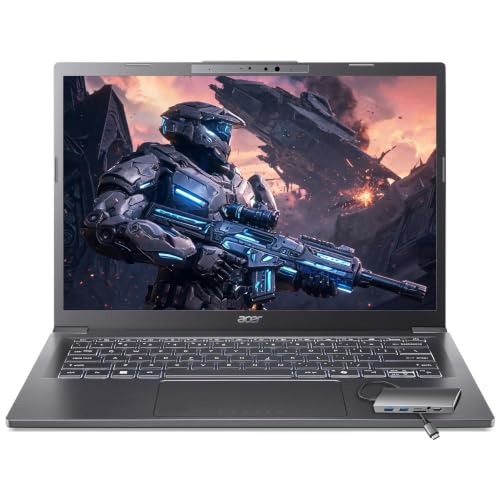
- 32GB RAM and 1TB SSD
- 14-inch 1920x1200 touchscreen with stylus support
- 3.09-pound design with included connectivity hub
Best For: Mobile photographers and freelancers
Large-Screen Value Pick

- 17.3-inch matte Full HD IPS display
- Ryzen 5 processor with 512GB SSD
- Full-size keyboard and Windows 11 Pro
Best For: Beginners and students who want a roomy display
Best Portable AI Pick

- 14-inch WUXGA touchscreen
- 1TB SSD and 16GB LPDDR5X
- Lightweight 3-pound aluminum design
Best For: Mobile creators and students handling everyday photo work
Best Upgrade-Friendly Option
NIMO 15.6-Inch Ryzen 7 Creator Laptop

- 32GB DDR5 RAM and 1TB PCIe 4.0 SSD
- Upgradeable memory and storage
- USB4 and Micro SD card reader
Best For: Power users and creators wanting expansion flexibility
Best Integrated-Graphics Performance
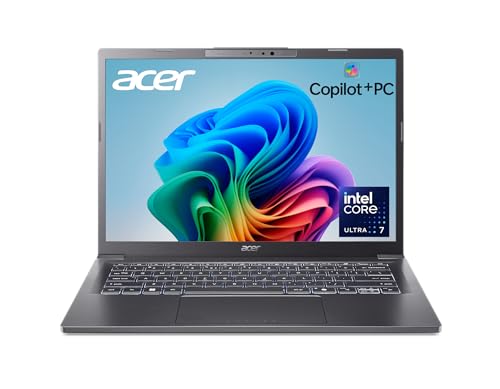
- Intel Core Ultra 7 and Arc 140V graphics
- 14-inch WUXGA display and 1TB SSD
- Portable 3.1-pound aluminum chassis
Best For: Mobile photographers wanting capable integrated graphics
Best AI-Ready Pick

- 32GB DDR5 RAM and 1TB SSD
- 16-inch 2K IPS touchscreen
- Ryzen AI 7 with integrated Radeon graphics
Best For: Photo editors wanting screen space and strong multitasking
Best Heavy-Duty Pick
- 17.3-inch anti-glare display
- 32GB RAM and 1TB SSD
- HDMI and multiple USB ports
Best For: Home editors who prefer a large desktop-style screen
Best Balanced Touchscreen

- Ryzen 7 with 32GB RAM
- 1TB SSD and built-in SD reader
- Full HD anti-glare touchscreen
Best For: Everyday editors wanting easy camera-card transfers
Professional Power Pick – HP ZBook 8 G1i
For photographers who need workstation-class capability, the HP ZBook 8 G1i is one of the most powerful laptops for photo editing in this roundup. Its 64GB of RAM, 2TB SSD, dedicated NVIDIA RTX 500 Ada graphics, and Windows 11 Pro configuration are well suited to demanding creative workflows, large libraries, and multitasking.
Best For: Professional photographers, designers, and creators who prioritize memory, storage, graphics performance, and workstation features.
Pros:
- 64GB DDR5 RAM and a spacious 2TB PCIe NVMe SSD
- Dedicated NVIDIA RTX 500 Ada GPU with 4GB GDDR6 memory
- 16-inch anti-glare touchscreen with a 1920×1200 resolution
- Extensive connectivity, including dual Thunderbolt 4 and HDMI 2.1
Cons:
- The 300-nit display is practical but not described as a wide-gamut color display
- Its professional hardware may be more than casual editors need
- The upgraded memory and SSD configuration has a reseller warranty arrangement
The ZBook stands out when photo editing is part of a broader professional workload. It offers substantial headroom for editing, rendering, and simultaneous applications, though shoppers focused specifically on color-critical work should verify the display’s gamut before buying.
Upgrade-Friendly Creator – NIMO 15.6-inch AI Creator Laptop
The NIMO AI Creator Laptop is a flexible option among laptops for photo editing, pairing an eight-core Ryzen 7 processor with Radeon 780M integrated graphics. Its 15.6-inch Full HD screen, 1TB SSD, and upgradeable design make it a practical choice for creators who want room to expand their system over time.
Best For: Students, hobbyist photographers, and growing creators who want upgradeable memory and storage without starting with a workstation.
Pros:
- AMD Ryzen 7 8745HS processor with RDNA 3 Radeon 780M graphics
- 1TB PCIe 4.0 SSD provides useful space for photo and media files
- RAM can be upgraded to 64GB, with dual SSD slots for expansion
- USB4 supports potential external GPU expansion
Cons:
- It starts with 16GB of RAM, less than some professional editing systems
- Integrated graphics are less specialized than a dedicated workstation GPU
- The supplied notes do not specify display brightness or color-gamut coverage
This NIMO offers a sensible balance of current performance and future flexibility. It is capable of mainstream creative software, but photographers working with especially heavy files or advanced GPU effects may eventually benefit from the upgrade paths or an external GPU.
Portable Touchscreen Choice – Acer Aspire AI Laptop
The Acer Aspire is a particularly mobile pick for laptops for photo editing, combining a 14-inch 1920×1200 touchscreen with Intel Arc graphics and 32GB of LPDDR5X memory. Its light 3.09-pound design and included USB hub make it convenient for photographers who edit at home, in studios, or while traveling.
Best For: Freelancers, remote workers, and photographers who want a compact touchscreen for Lightroom-style editing and everyday creative work.
Pros:
- 32GB RAM supports large projects and heavy multitasking
- Intel Arc 140V graphics are positioned for photo editing and GPU-accelerated effects
- 14-inch touchscreen supports intuitive editing and stylus use
- Lightweight design with an included hub for HDMI, USB, SD card, and Ethernet connectivity
Cons:
- Integrated graphics are not equivalent to a dedicated professional GPU
- The 14-inch screen provides less workspace than larger editing laptops
- The supplied specifications do not identify color-gamut coverage
This Acer is a strong portability-first option with unusually generous memory for its size. It should suit mobile photo editing and general content creation well, while photographers doing extensive batch processing or demanding 3D work may prefer a larger workstation-class system.
Large-Screen Value Pick – HP 17 Laptop
The HP 17 is a straightforward large-screen choice among laptops for photo editing. Its 17.3-inch matte Full HD IPS display gives you plenty of viewing area, while the Ryzen 5 processor, 512GB SSD, and Windows 11 Pro cover everyday editing, organization, and productivity needs.
Best For: Beginners, students, and home users who prefer a roomy display for basic photo editing and media management.
Pros:
- Large 17.3-inch anti-glare Full HD IPS display
- Ryzen 5 processor, SSD storage, and Windows 11 Pro
- Full-size keyboard with numeric keypad
- Includes USB-C, HDMI, Wi-Fi 6, and Bluetooth 5.3 connectivity
Cons:
- 8GB of RAM is modest for demanding photo-editing multitasking
- Integrated AMD Radeon graphics are intended for everyday workloads rather than advanced GPU effects
- 512GB of storage may fill quickly with large photo libraries
The HP 17’s main advantage is its spacious, comfortable screen rather than high-end creative performance. It makes sense for basic adjustments, schoolwork, and general use, but serious photographers should consider a system with more RAM, storage, and graphics capability.
Best Portable AI Pick – Acer Aspire 14 Core Ultra 5
For shoppers comparing laptops for photo editing, the Acer Aspire 14 offers a portable setup with a 14-inch WUXGA touch display, 16GB of memory, and a 1TB SSD. Its integrated Intel Arc graphics and Core Ultra 5 processor are suited to everyday creative work, photo organization, and light editing, while the aluminum chassis keeps the system travel-friendly.
Best For: Students, mobile creators, and users who want a compact touchscreen laptop for general photo work and productivity.
Pros:
- 14-inch 1920×1200 touch display provides extra vertical workspace.
- 1TB Gen 4 SSD offers ample room for applications and photo libraries.
- Lightweight 3-pound aluminum design with a 180-degree hinge.
- 1080p IR webcam and AI-enhanced audio/video tools support remote work.
Cons:
- Integrated graphics use shared memory rather than dedicated video memory.
- The 60Hz display may be less appealing for users seeking a high-refresh panel.
The Aspire 14 is a practical choice when portability, storage, and touch input matter more than workstation-class graphics. It should fit everyday photo-editing workflows, though demanding projects may benefit from a laptop with a dedicated GPU.
Best Upgrade-Friendly Option – NIMO 15.6-Inch Ryzen 7 Creator Laptop
Among laptops for photo editing, the NIMO Creator Laptop stands out for its 32GB of DDR5 RAM, 1TB PCIe 4.0 SSD, and 15.6-inch anti-glare display. The Ryzen 7 8745HS processor and Radeon 780M integrated graphics provide a capable foundation for multitasking, photo management, and content creation.
Best For: Creators and power users who prioritize memory, upgradeability, and a larger anti-glare screen.
Pros:
- 32GB DDR5 memory supports large projects and heavy multitasking.
- Ryzen 7 processor has 8 cores, 16 threads, and boost speeds up to 4.9GHz.
- Dual SODIMM and dual M.2 slots allow memory and storage expansion.
- USB4, HDMI 2.1, three USB-A ports, and a Micro SD reader provide flexible connectivity.
Cons:
- 15.6-inch display is limited to 1920×1080 resolution.
- Radeon 780M graphics are integrated rather than dedicated.
- The supplied notes do not specify display color-gamut or color-accuracy coverage.
The NIMO is appealing for users who want generous RAM today and room to upgrade later. Its FHD panel is practical for general editing, but photographers who need verified color performance should confirm the display specifications before buying.
Best Integrated-Graphics Performance – Acer Aspire 14 Core Ultra 7
For laptops for photo editing that balance mobility and responsiveness, this Acer Aspire 14 pairs an Intel Core Ultra 7 256V processor with Intel Arc 140V graphics, 16GB LPDDR5X memory, and a 1TB SSD. Its 14-inch WUXGA display and lightweight aluminum design make it a convenient option for editing on the go.
Best For: Mobile photographers and creative users seeking stronger integrated graphics in a compact Windows laptop.
Pros:
- Intel Arc 140V graphics provide a higher-tier integrated graphics configuration.
- Core Ultra 7 processor combines CPU, GPU, and NPU resources for creative and productivity tasks.
- 14-inch 1920×1200 display offers a useful 16:10 workspace.
- Compact 3.1-pound aluminum chassis includes a backlit keyboard and 180-degree hinge.
Cons:
- 16GB RAM is not described as user-upgradeable.
- The display is rated at 300 nits and lacks supplied color-gamut details.
- Integrated graphics share system memory instead of using dedicated VRAM.
This Aspire 14 is the stronger of the two compact Acer options for graphics-oriented workloads based on its Core Ultra 7 processor and Arc 140V graphics. It is best suited to portable, everyday editing rather than demanding professional work that requires dedicated graphics.
Best AI-Ready Pick – HP OmniBook 16 Touchscreen
For photographers seeking laptops for photo editing, the HP OmniBook 16 combines 32GB of DDR5 memory, a 1TB PCIe NVMe SSD, and a sharp 16-inch 2K touchscreen. Its Ryzen AI 7 processor and integrated Radeon 840M graphics are well suited to multitasking, organizing large photo libraries, and handling everyday creative workflows.
Best For: Photo editors who want abundant memory, a spacious 16:10 touchscreen, and modern connectivity.
Pros:
- 32GB DDR5 RAM supports demanding multitasking and creative applications.
- 16-inch 1920 x 1200 IPS touchscreen provides extra vertical workspace.
- 1TB SSD offers fast file access and room for large media libraries.
- Useful connectivity includes USB-C, HDMI 2.1, and support for external displays.
Cons:
- Integrated graphics are less suitable for highly graphics-intensive workloads than a dedicated GPU.
- At 3.6 pounds, it is not the lightest ultraportable option.
The OmniBook is a strong all-around choice for photographers who value screen space and responsive multitasking. Its integrated graphics make it better suited to general photo work than specialized GPU-heavy production.
Best Heavy-Duty Pick – HP 17 Laptop
The HP 17 gives photo editors a large 17.3-inch display, generous memory, and a 1TB SSD at a practical desktop-replacement size. For laptops for photo editing, it offers useful workspace and storage, although its listed 1600 x 900 display resolution is less detailed than Full HD or 2K alternatives.
Best For: Home-based editors who prioritize a large screen, storage, and multitasking capacity.
Pros:
- Large 17.3-inch anti-glare display provides comfortable workspace.
- 32GB RAM and 1TB SSD support photo applications, multiple programs, and large files.
- HDMI and multiple USB ports make it easy to connect accessories or another display.
- Numeric keypad and long-battery-life positioning suit office-style use.
Cons:
- The listed 1600 x 900 resolution is relatively modest for detailed photo editing.
- Integrated graphics may limit performance in demanding graphics-heavy workflows.
- Its 4.6-pound weight makes it less convenient for frequent travel.
This model makes sense when a roomy display matters more than portability or maximum pixel density. Editors should consider an external higher-resolution monitor for color-critical or detail-focused work.
Best Balanced Touchscreen – Dell Inspiron 15.6
The Dell Inspiron balances portability, storage, and processing power for photographers building a practical editing setup. Its Ryzen 7 7730U, 32GB of RAM, 1TB SSD, Full HD touchscreen, and built-in SD card reader make it a convenient option among laptops for photo editing.
Best For: Students, home users, and working professionals who want a versatile Full HD touchscreen with easy photo imports.
Pros:
- Eight-core Ryzen 7 processor supports demanding multitasking and CPU-based workloads.
- 32GB RAM and a 1TB PCIe NVMe SSD provide responsive storage and ample project space.
- Full HD anti-glare touchscreen includes ComfortView software for more comfortable viewing.
- SD card reader simplifies transferring photos from cameras.
Cons:
- Integrated graphics are not intended for the most demanding GPU-accelerated editing.
- The 45Wh battery may be less suited to extended unplugged editing sessions.
- The display is Full HD rather than a higher-resolution 2K panel.
The Inspiron is a well-rounded choice for everyday photo editing, especially if an SD card reader and touchscreen are useful to your workflow. Its Full HD panel and integrated graphics are best matched with general editing rather than intensive professional production.
How We Picked the Best Laptops for Photo Editing
We focused on the components that have the greatest effect on real-world editing: processor performance, RAM capacity, SSD storage, graphics capability, display size, and overall usability. Models with 16GB of memory or more are generally better suited to layered Photoshop files, Lightroom catalogs, and multitasking. We also considered touchscreen convenience, portability, connectivity, and whether the hardware is appropriate for demanding RAW workflows.
Specifications can vary by configuration, so verify the exact display panel, color coverage, operating system, and included accessories before purchasing.
Quick Comparison
| Best For | Recommended Configuration | Why It Matters |
|---|---|---|
| Professional photographers | Workstation CPU, dedicated GPU, 32GB–64GB RAM | Handles large catalogs, complex layers, and demanding exports |
| Enthusiasts and creators | Modern 8-core processor, 16GB–32GB RAM, 1TB SSD | Balances speed, capacity, and price |
| Travel and mobile editing | 14-inch display, efficient AI processor, 16GB RAM or more | Offers useful performance in a smaller package |
| Budget editing | Ryzen 5 or Core Ultra 5, 16GB RAM, SSD storage | Suitable for everyday Lightroom and Photoshop work |
Key Buying Factors for Laptops for Photo Editing
Processor and Sustained Performance
Choose a recent Intel Core Ultra or AMD Ryzen processor with multiple performance cores. Faster CPUs improve RAW previews, batch exports, panorama stitching, and AI-assisted tools. A dedicated workstation-class chip is worthwhile for professional workloads.
RAM and Storage
Sixteen gigabytes is a practical minimum for photo editing, while 32GB is preferable for large files, frequent multitasking, and long-term use. A 1TB SSD provides room for applications, catalogs, and active projects; photographers who keep extensive libraries should plan on external or network storage.
Display Quality
Screen resolution and size affect comfort, but color accuracy is even more important. Look for a panel with broad sRGB coverage at minimum, and consider a wide-gamut display if you print professionally or deliver images for color-critical work. Touch support is convenient, but it should not replace accurate calibration.
Graphics and Connectivity
Integrated graphics are sufficient for many Lightroom and Photoshop workflows. A discrete NVIDIA GPU can accelerate supported effects, AI features, video work, and high-resolution exports. Check for USB-C, HDMI, fast USB ports, an SD card reader or a suitable adapter, and reliable Wi-Fi.
Who Should Buy Which Laptops for Photo Editing?
Choose a Mobile Workstation for Professional Work
Photographers handling large commercial catalogs, complex composites, or occasional 3D and video work should prioritize the ZBook-style workstation configuration with generous RAM, fast storage, and dedicated graphics.
Choose a Creator Laptop for the Best Balance
The NIMO, Acer Aspire, HP OmniBook, and similar 16GB–32GB configurations are strong fits for enthusiasts, freelancers, and students who want responsive editing without workstation pricing.
Choose a Large HP or Dell Model for Desk-Based Editing
Seventeen-inch HP models offer more comfortable viewing and, in some configurations, useful numeric keypads. Dell’s 15.6-inch option is a practical middle ground for home users who want a roomy screen, ample memory, and straightforward connectivity.
Check the Display Before You Buy
For serious color work, confirm independent display measurements or plan to use a colorimeter. If a listed model has excellent specifications but limited panel information, treat it as a general-purpose editing laptop rather than a guaranteed professional color reference.