The Shure SM7B is a respected broadcast and recording microphone, but its low output often requires substantial, clean gain. A suitable preamp can improve usable level without forcing you to push a noisy interface input.
We compare 10 practical options for podcasting, streaming, voice-over, and music recording, including inline boosters and full-featured microphone preamps.
Best 10 Microphone Preamp for Sm7b Picks for 2026
Best Overall

- Up to +25dB clean gain
- Phantom-powered inline design
- Works with passive mics and ribbons
Best For: Podcasts, streaming, and home recording
Best Class-A Design
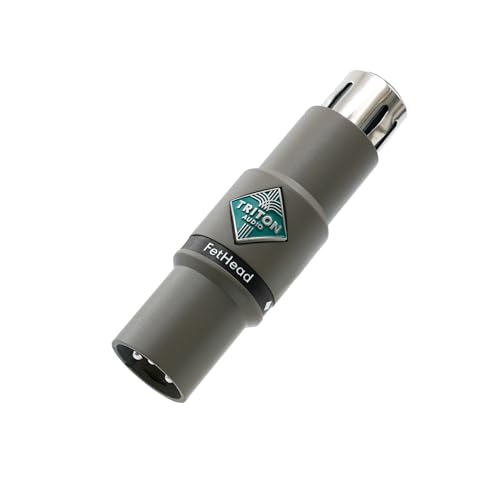
- Low-noise Class-A JFET amplifier
- Shielded enclosure
- Four matched JFETs
Best For: Compact dynamic-microphone signal boosting
Best Budget Alternative

- Up to +25dB gain
- Balanced XLR input and output
- Compact shielded metal chassis
Best For: Home studios, podcasts, and live streaming
Best Full Preamp

- Hybrid microphone preamp design
- All-aluminum stackable chassis
- Two-year warranty
Best For: Home recording with a standalone preamp
Best Compact Signal Booster

- Adds up to 29 dB of gain for low-output dynamic mics
- Compact metal XLR adapter with plug-and-play setup
- Requires 48V phantom power and excludes condenser mics
Best For: SM7B, dynamic, and ribbon microphone setups needing extra gain
Best Traditional One-Channel Preamp

- Combines microphone preamp and DI functions
- Includes phantom power, polarity reverse, high-pass filter, and Air boost
- Supports microphones and high-impedance instruments
Best For: Home studios needing one flexible mic and instrument channel
Best All-in-One Channel Strip

- Adds compression, de-essing, enhancement, and gating
- Provides XLR, 1/4-inch, insert, loop-out, and LED metering
- Rack-mountable 1U unit for dedicated studio setups
Best For: SM7B users wanting preamp gain and onboard vocal processing
Simple Gain Boost
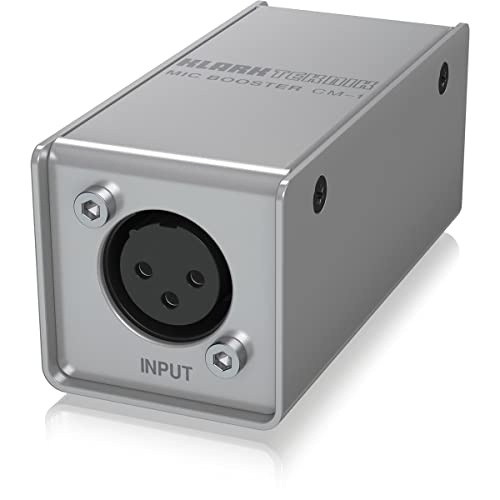
- Adds up to 25 dB of gain
- Phantom powered via XLR
- Works with dynamic and passive ribbon mics
Best For: Straightforward gain boosting for dynamic microphone setups
Clean 28 dB Boost
Coda MB-Stealth Inline Microphone Preamp
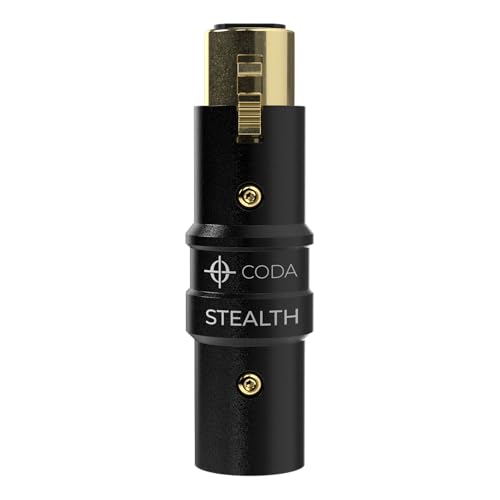
- Provides 28 dB of gain
- Powered by 48V phantom power
- Compact design for dynamic and ribbon mics
Best For: Podcasting, livestreaming, and home recording
Adjustable Pro Gain
sE Electronics DM2 TNT Inline Mic Preamp
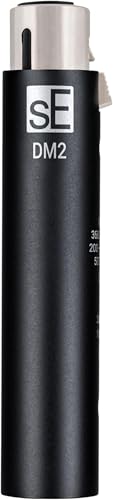
- Switches between +15 dB and +30 dB
- Includes eight impedance settings
- Slim metal design for dynamic and ribbon mics
Best For: Flexible studio, podcast, and live-sound microphone matching
Best Overall – Cloudlifter CL-1
If you need a microphone preamp for SM7B-style passive dynamic microphones, the Cloudlifter CL-1 is a proven inline option. It uses 48V phantom power to provide up to 25dB of gain while keeping phantom power away from the microphone itself.
Best For: Podcasters, streamers, home studios, live broadcasters, and anyone needing a clean signal boost from a quiet passive microphone.
Pros:
- Provides up to +25dB of ultra-clean gain.
- Uses phantom power without passing it to passive microphones or ribbons.
- Compact stainless-steel enclosure with XLR connectivity.
Cons:
- Requires a connected microphone input with phantom power.
- Offers one channel.
The CL-1 is a straightforward choice when your interface or mixer does not provide enough gain for an SM7B. Its focused design and broad compatibility make it especially practical for voice recording and broadcast setups.
Best Class-A Design – Triton Audio FetHead
The Triton Audio FetHead is an inline microphone preamp for SM7B setups that need additional gain from a low-output dynamic microphone. Its low-noise Class-A JFET amplifier and shielded enclosure are designed to add gain while keeping the signal path compact.
Best For: Users seeking a compact inline booster with a Class-A JFET amplifier for dynamic-microphone recording chains.
Pros:
- Uses a low-noise Class-A JFET amplifier.
- Features a shielded enclosure.
- Employs four matched JFETs and double single-ended amplifier topology.
Cons:
- The supplied notes do not specify the available gain amount.
- The notes do not identify included controls or additional connectivity.
Choose the FetHead when amplifier design and shielding are priorities. It is a focused inline solution, though you should verify its gain and power requirements against your particular interface before buying.
Best Budget Alternative – StudioMan CL-100
The StudioMan CL-100 is a microphone preamp for SM7B-style dynamic microphones that adds up to 25dB of gain through a compact XLR in-line design. It supports 48V phantom power and is built for interfaces, mixers, podcasts, live streaming, and recording workflows.
Best For: Home studios and creators wanting a compact, metal-housed XLR booster with stated +25dB gain and a one-year warranty.
Pros:
- Provides a stated +25dB clean gain boost.
- Uses balanced XLR input and output for plug-and-play integration.
- Compact metal housing offers EMI/RFI shielding.
- Includes a one-year warranty and technical support.
Cons:
- The supplied frequency response is 10Hz–20kHz, narrower than some alternatives listed here.
- Its orange-and-black finish may not suit every setup.
The CL-100 covers the core needs of an inline dynamic-microphone booster without taking much desk space. Its published specifications and warranty make it a practical value-oriented option for basic voice recording chains.
Best Full Preamp – ART Tube MP Project Series
The ART Tube MP Project Series is a compact microphone preamp for SM7B recording chains when you want a standalone preamp rather than an inline activator. Its hybrid design combines a professional-style feature set with an aluminum chassis and XLR connectivity.
Best For: Home recordists who want a standalone, one-channel microphone preamp with a compact, stackable metal enclosure.
Pros:
- Uses a hybrid preamp design.
- Features an all-aluminum, stackable chassis.
- Supports microphone and computer recording applications.
- Includes a two-year warranty.
Cons:
- The supplied notes do not state a specific gain figure.
- Offers one channel.
- It is less compact than a simple inline booster, weighing 2.7 pounds.
The Tube MP is better suited to buyers who want a dedicated preamp box in their signal chain. Because the supplied specifications do not list its maximum gain, confirm that it provides enough level for your SM7B and interface combination.
Best Compact Signal Booster – StudioMan DPM1 XLR Preamp
If your SM7B or another low-output dynamic microphone needs more level, the StudioMan DPM1 is a straightforward microphone preamp for SM7B setups. It adds up to 29 dB of gain between the microphone and your interface or mixer, helping you avoid excessive gain boosting on a noisy input.
Best For: Podcasters, streamers, and recording setups using a dynamic or ribbon microphone with an interface or mixer that supplies 48V phantom power.
Pros:
- Provides up to 29 dB of clean, transparent gain.
- Compact plug-and-play XLR design with a durable metal housing.
- Works with standard XLR dynamic and ribbon microphones and includes a one-year warranty.
Cons:
- Requires 48V phantom power, which is not included.
- Not intended for condenser microphones.
The DPM1 is a focused, low-cost solution when you mainly need extra gain for an SM7B-style dynamic microphone. Check that your interface provides phantom power before buying.
Best Traditional One-Channel Preamp – Pre73 Jr MKII
The Pre73 Jr MKII is a more feature-rich microphone preamp for SM7B users who want a dedicated one-channel unit rather than only an inline booster. It combines microphone and DI functionality with phantom power, polarity reversal, a high-pass filter, and an Air boost.
Best For: Home studios and creators who want one channel for microphones, electric guitar, or other high-impedance instruments, with compatibility across common recording software.
Pros:
- Combines a one-channel microphone preamp and DI in one unit.
- Includes +48V phantom power, polarity reverse, high-pass filter, and Air boost.
- Supports microphones and high-impedance instruments and carries a two-year warranty.
Cons:
- The supplied information does not specify its maximum gain or detailed connectivity beyond XLR.
- Provides one channel, so it is limited for multi-microphone recording.
Choose the Pre73 Jr MKII if you want extra control and instrument-input flexibility around an SM7B-style microphone. Its feature set is broader than a simple inline gain adapter, though the available specifications do not state a gain figure.
Best All-in-One Channel Strip – dbx 286s Mic Preamp
The dbx 286s goes beyond basic gain, making it a microphone preamp for SM7B users who want onboard vocal processing. Its single channel includes compression, de-essing, enhancement, and an expander/gate, plus metering and loop-out connections for a more configurable setup.
Best For: Podcasting, vocal recording, and rack-based setups that need microphone preamplification plus dynamics and tone processing in one unit.
Pros:
- Combines a microphone preamp with compression, de-esser, enhancer, and expander/gate.
- Offers XLR microphone input, 1/4-inch line input, insert, loop-out, and LED metering.
- Rack-mountable 1U design with an included power cord, manual, and rack hardware.
Cons:
- Single-channel design may not suit multi-microphone recording.
- Requires corded AC power and occupies rack-style equipment space.
- More functionality than needed if you only want a simple gain boost.
For an SM7B chain that benefits from compression, sibilance control, gating, and tonal enhancement, the dbx 286s is the most complete option here. It is less compact than an inline preamp but offers substantially more processing control.
Simple Gain Boost – Klark Teknik MIC BOOSTER CM-1
If your interface struggles to provide enough level for an SM7B, the Klark Teknik MIC BOOSTER CM-1 is a straightforward microphone preamp for SM7B setups. It adds up to 25 dB of gain, uses phantom power instead of an external supply, and connects inline through XLR.
Best For: Users who want a compact, phantom-powered gain boost for a dynamic microphone and a simple XLR signal chain.
Pros:
- Provides up to 25 dB of additional gain.
- Phantom powered, with no separate external power supply required.
- Works with most dynamic and passive ribbon microphones.
- Rugged metal construction for dependable use.
Cons:
- Offers less maximum gain than the 28 dB and 30 dB alternatives in this roundup.
- Its supplied features do not include selectable gain or impedance settings.
The CM-1 is a practical choice when you need extra level without adding a full standalone preamp. Confirm that your interface can provide phantom power and that your microphone is dynamic or passive ribbon before buying.
Clean 28 dB Boost – Coda MB-Stealth Inline Microphone Preamp
The Coda MB-Stealth is a compact microphone preamp for SM7B systems that adds 28 dB of gain from your interface’s 48V phantom power. It is designed for dynamic and ribbon microphones, with a low-noise specification and an inline XLR format suited to podcasting or livestreaming.
Best For: Podcasters, streamers, and home-recording users seeking a dedicated 28 dB inline boost for a dynamic microphone.
Pros:
- Delivers 28 dB of stated clean gain.
- Uses 48V phantom power from the connected interface.
- Designed for dynamic and ribbon microphones, not condensers.
- Compact aluminum housing with a matte-black finish.
Cons:
- Does not work with condenser microphones.
- Requires an audio interface or other source capable of supplying 48V phantom power.
- Does not offer selectable gain settings.
With slightly more gain than the CM-1 and a clearly stated focus on low-noise operation, the MB-Stealth is a sensible middle-ground option. Its phantom-power requirement and microphone compatibility should be checked before purchase.
Adjustable Pro Gain – sE Electronics DM2 TNT Inline Mic Preamp
The sE Electronics DM2 TNT is the most adjustable microphone preamp for SM7B setups in this group. It offers selectable +15 dB or +30 dB gain, along with eight impedance settings from 50 ohms to 10 megaohms, allowing more control when pairing a dynamic or ribbon microphone with an interface.
Best For: Users who want flexible gain and impedance matching for studio, podcast, recording, or live-sound applications.
Pros:
- Offers two gain settings: +15 dB and +30 dB.
- Provides eight selectable impedance settings from 50 ohms to 10 megaohms.
- Uses a slim, all-metal housing with gold-plated XLR connectors.
- Designed for dynamic and ribbon microphones.
Cons:
- More settings may be unnecessary for buyers seeking a simple plug-and-play booster.
- The supplied notes do not specify a maximum output level or phantom-power requirement.
The DM2 TNT stands out when microphone matching matters as much as added level. Its +30 dB setting can suit a low-output setup, while the lower gain and multiple impedance choices provide useful flexibility for other dynamic or ribbon microphones.
How We Picked the Best Microphone Preamp for Sm7b
We focused on gain, noise performance, power requirements, connection style, and everyday usability. The lineup includes simple inline boosters such as the Cloudlifter, FetHead, and other compact XLR adapters, along with standalone preamps and channel strips that add controls for compression, equalization, gating, or de-essing.
Compatibility with dynamic microphones was essential. We also considered whether each model uses phantom power, how easily it fits into a typical interface signal chain, and whether its extra features justify a larger footprint or higher cost.
Quick Comparison
- Inline gain boosters: Best for adding clean level between the SM7B and an audio interface.
- Standalone preamps: Better when you need more gain control, input flexibility, or a dedicated desktop unit.
- Channel strips: Ideal for spoken-word users who want compression, de-essing, enhancement, and gating in one device.
- Compact budget options: Useful for basic setups, provided the unit supplies enough clean gain and phantom-power compatibility.
Key Buying Factors for a Microphone Preamp for Sm7b
Clean Gain
The SM7B commonly benefits from around 20 to 30 dB of additional gain, although the exact requirement depends on your interface, voice, distance from the microphone, and desired recording level. More gain is not automatically better; low noise and adequate headroom matter just as much.
Phantom Power and Signal Chain
Many inline boosters require 48V phantom power from the interface, even though the SM7B itself is a dynamic microphone. The booster passes the audio signal while using phantom power to operate. Confirm that your interface can provide phantom power and connect the booster in the correct order: microphone, booster, then interface or mixer.
Inline Design Versus Full Preamp
An inline unit keeps the setup compact and preserves your interface’s existing controls. A standalone preamp may provide more gain range and routing flexibility, while a channel strip adds processing that can shape a vocal before it reaches the recorder. Choose the simplest option that solves your actual level problem.
Noise, Headroom, and Build
Look for a design with low self-noise, sturdy XLR connections, and enough headroom for loud speech or singing. Metal housings are useful for frequent travel or studio use, while ultra-slim models are convenient when space behind a microphone or on a desktop is limited.
Who Should Buy Which Microphone Preamp for Sm7b?
- Podcasters and streamers: Choose a compact inline booster if your interface has clean phantom power but lacks sufficient gain.
- Home-studio vocalists: Consider a standalone preamp when you want more control than a simple gain adapter provides.
- Voice-over users: A low-noise booster or preamp with dependable headroom is usually the priority.
- Content creators seeking processing: A channel strip such as the dbx option is worthwhile if compression, de-essing, gating, and enhancement can replace separate plugins or hardware.
- Ribbon-microphone owners: Verify the preamp’s ribbon compatibility and use phantom power carefully according to the microphone manufacturer’s instructions.
Before buying, check your interface’s available gain, phantom-power capability, XLR routing, and available space. The best Microphone Preamp for Sm7b is the one that delivers a clean recording level while adding only the features your workflow actually needs.