Choosing the right recorder can make a podcast sound more polished, more flexible, and far easier to run. If you need clean mic connections, simple routing, and reliable control, podcast recorders with XLR inputs are the sweet spot.
Below, you’ll find 10 strong options for everything from solo shows to multi-host productions, remote interviews, and portable field setups.
Best 10 Podcast Recorders with Xlr Inputs Picks for 2026
Compact podcast hub

- 4 XLR mic inputs with phantom power
- 4 headphone outputs with individual volume control
- Mix-minus plus USB/TRRS remote interview support
Best For: Multi-host podcasts, remote interviews, and portable recording
Portable all-rounder

- 4 XLR/TRS combo inputs plus built-in X/Y mics
- 32-bit float recording across 6 tracks
- USB audio interface for computer and mobile workflows
Best For: Portable recording, interviews, and clip-resistant podcast capture
Desk-based podcast center

- 4 XLR/TRS mic inputs with 4 headphone outputs
- 14-track SD recording plus sound pads
- Touch-panel workflow with USB, Bluetooth, and Aux input
Best For: Studio podcasts, live streaming, and multi-speaker production
Compact flexible recorder
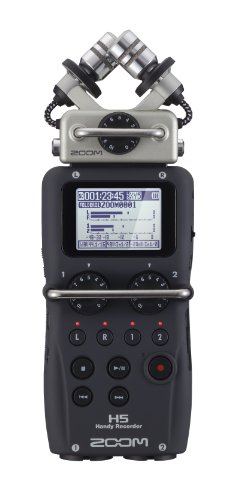
- 2 XLR/TRS combo inputs with phantom power
- Interchangeable input capsules for different setups
- Four-track recording plus USB audio interface mode
Best For: Portable podcasting, video work, and small interview setups
Flagship All-in-One
Zoom PodTrak P8 with 6 XLR inputs and sound pads

- Six XLR inputs for multi-host podcasts
- 13-track recording with onboard editing tools
- 36 sound clips via nine pads across four banks
Best For: Multi-host podcasts and creators who want an all-in-one recorder
Portable Creator Pick
Zoom H4 Essential handheld recorder with 2 XLR/TRS inputs

- Two XLR/TRS inputs plus built-in stereo mics
- 32-bit float recording helps avoid clipped takes
- USB-C recording/streaming with SD card backup
Best For: Solo creators and mobile interviews
Smart Budget-Friendly Podcaster
Zoom PodTrak P4next with 4 XLR inputs and AI noise reduction

- Four XLR inputs for up to four people plus a guest
- AI noise reduction, Tone Enhancement, and COMP
- Four headphone outputs with separate volume controls
Best For: Small teams and easy-to-use podcast recording
Ultra-Portable 2-Input Pick
Zoom H1 XLR 2-Channel Recorder for Filmmakers

- Two XLR/TRS combo inputs for flexible connections
- 32-bit / 96kHz recording with waveform display
- 3.5mm in/out adds extra monitoring options
Best For: portable interviews, solo podcasts, and small two-source recordings
All-In Podcast Kit
Zoom PodTrak P4 Bundle With Mic Pack

- Four XLR mic inputs with phantom power
- Four headphone outputs with individual volume control
- Bundle includes mics, headphones, batteries, and 64GB card
Best For: four-person podcasts and creators who want a complete starter bundle
Classic Four-Host Recorder
Zoom PodTrak P4 Bundle With 2 Podcast Packs

- Four high-gain XLR mic inputs with +48V power
- Four independent headphone outputs for monitoring
- TRRS and USB call-ins support remote guests
Best For: small podcast teams and four-host recording setups
Compact podcast hub – Zoom PodTrak P4
If you want podcast recorders with XLR inputs that are built for interviews and small-panel shows, the Zoom PodTrak P4 is a very practical pick. It gives you four XLR mic inputs with phantom power, four headphone outputs, and easy remote-call support through TRRS and USB, so it fits a wide range of podcast setups without much fuss.
Best For: Podcasters who need a compact recorder for multi-guest sessions, remote interviews, and battery-powered recording.
Pros:
- Four XLR mic inputs with phantom power for a true multi-mic podcast setup.
- Four headphone outputs with individual volume control, which helps each guest monitor audio comfortably.
- Automatic mix-minus supports call-in phone interviews and USB remote interviews.
- Programmable sound pads and multi-track recording add flexibility for live production.
Cons:
- Battery life is limited to up to 3.5 hours on two AA batteries.
- The 2-inch screen is fairly small for detailed on-device control.
The PodTrak P4 is strongest as a lightweight, dedicated podcast hub rather than a general studio recorder. For creators who prioritize simple operation, multiple guest monitoring, and built-in interview tools, it covers the essentials well.
Portable all-rounder – Zoom H6 Essential
Among podcast recorders with XLR inputs, the Zoom H6 Essential stands out if you want portability and more recording headroom. It combines four XLR/TRS combo inputs with built-in X/Y mics and 32-bit float recording, so it is well suited to podcasts, interviews, and other sessions where avoiding clipped audio matters.
Best For: Creators who want a handheld recorder that can handle podcasts, interviews, and backup capture in one device.
Pros:
- Four XLR/TRS combo inputs give you room for multiple microphones or line sources.
- 32-bit float recording helps capture clip-free audio across six tracks.
- Built-in X/Y mics add a ready-to-go stereo option for quick recordings.
- Works as a USB audio interface for PC, Mac, iOS, or Android.
Cons:
- It runs on four AAA batteries, so power management matters on longer sessions.
- The handheld design is less desk-oriented than a dedicated podcast mixer.
The H6 Essential is a strong choice if you want one recorder that can move from podcast work to field use easily. Its combination of XLR inputs, built-in mics, and USB interface support makes it especially versatile.
Desk-based podcast center – TASCAM Mixcast 4
If you are shopping for podcast recorders with XLR inputs and want a more guided production workflow, the TASCAM Mixcast 4 is built for that job. It combines four XLR/TRS mic inputs, four headphone outputs, touch-panel control, and onboard sound pads, making it a strong option for polished podcast, streaming, and voice-over sessions.
Best For: Podcast teams and streamers who want an all-in-one mixer/recorder with hands-on controls and editing support.
Pros:
- Four XLR/TRS mic inputs support a full podcast roundtable.
- Four individual headphone outputs help each speaker monitor audio.
- 14-track recording to SD card supports detailed capture and later editing.
- Sound pads, Bluetooth, Aux input, and USB connectivity expand production options.
Cons:
- It is corded electric, so it is not the most portable option.
- The unit is relatively large and heavy compared with handheld recorders.
The Mixcast 4 is best when you want a desk-based podcast center instead of a simple recorder. Its combination of touch control, track count, and built-in production features makes it well suited to structured content creation.
Compact flexible recorder – Zoom H5 Handheld Recorder
The Zoom H5 remains a useful option if you want podcast recorders with XLR inputs in a compact handheld format. With two XLR/TRS combo inputs, interchangeable capsules, and four-track simultaneous recording, it works well for interviews, video shoots, and smaller podcast setups that need flexibility.
Best For: Podcasters and videographers who need a compact recorder with interchangeable mic options and XLR inputs.
Pros:
- Two XLR/TRS combo inputs with selectable phantom power support external microphones.
- Interchangeable capsules let you adapt the recorder for different recording scenarios.
- Four-track simultaneous recording adds flexibility for layered sessions.
- USB audio interface mode supports PC, Mac, and iPad workflows.
Cons:
- It offers fewer XLR inputs than larger podcast mixers or recorders.
- Records to SD/SDHC cards up to 32GB, which is more limited than some newer options.
The H5 is a solid choice when portability and versatility matter more than channel count. It works especially well for creators who split time between podcasting, filming, and general field recording.
Flagship All-in-One – Zoom PodTrak P8 with 6 XLR inputs and sound pads
If you want podcast recorders with xlr inputs that can serve as a full studio in one box, the Zoom PodTrak P8 is built for that workflow. It records, mixes, and edits up to 13 tracks, giving you plenty of room for multi-host shows, remote callers, and live sound effects.
Best For: Multi-host podcasts, interview shows, and creators who want an all-in-one recorder with plenty of hands-on control.
Pros:
- Six XLR mic inputs for flexible multi-person recording
- 4.3-inch color touchscreen puts EQ, compression, de-essing, noise reduction, and limiter controls close at hand
- Built-in Mix-Minus helps reduce echo on phone calls and remote guests
- Nine sound pads across four banks for up to 36 clips, jingles, and effects
Cons:
- Uses four AA batteries and can run up to about two hours on battery power
- Larger, more studio-focused design than a simple handheld recorder
The P8 is the strongest fit here if you want a podcaster-first recorder with a lot of inputs and onboard tools. It’s especially appealing when you want to handle recording, guest management, and playback effects from one device.
Portable Creator Pick – Zoom H4 Essential handheld recorder with 2 XLR/TRS inputs
Among podcast recorders with xlr inputs, the Zoom H4 Essential stands out if you want a compact handheld option that still gives you flexible input options. It combines built-in stereo mics with two XLR/TRS inputs, so you can capture interviews, voice, and backup audio without carrying a larger tabletop unit.
Best For: Solo creators, mobile interview setups, and podcasters who need a portable recorder with external mic support.
Pros:
- Two XLR/TRS inputs for external mics or instruments
- Built-in stereo microphones add quick grab-and-go recording
- 32-bit float capture helps reduce worry about distorted takes
- USB-C connectivity lets you record or stream to a phone, tablet, or computer while also saving to SD card
Cons:
- Only four tracks total, so it’s less suited to larger panel shows
- Handheld format is not as feature-packed for podcast studio workflows as a dedicated desktop podcaster
The H4 Essential is a practical choice when portability matters more than a full studio feature set. It gives you the basics needed for quality recording while staying easy to pack for travel, field interviews, and video work.
Smart Budget-Friendly Podcaster – Zoom PodTrak P4next with 4 XLR inputs and AI noise reduction
If you’re comparing podcast recorders with xlr inputs and want a simpler setup for small shows, the Zoom PodTrak P4next gives you four XLR inputs plus helpful processing tools. It’s designed to make multi-person recording easier with AI noise reduction, Tone Enhancement, and COMP, while still keeping the setup focused and portable.
Best For: Small podcast teams, remote-call interviews, and creators who want easy-to-use processing with four XLR inputs.
Pros:
- Four XLR inputs support up to four people plus a call-in guest
- AI noise reduction, Tone Enhancement, and COMP help simplify mixing
- Four headphone outputs with separate volume controls make monitoring easier
- Up to +70dB of gain helps with demanding podcast microphones
Cons:
- Less expansive than the P8 for larger production setups
- Phone-video recording is useful, but the feature set is still geared toward compact podcast sessions
The P4next is a strong middle ground if you want four XLR channels without stepping up to a larger, more complex recorder. It’s a good match for small group shows where quick setup and clear monitoring matter most.
Ultra-Portable 2-Input Pick – Zoom H1 XLR 2-Channel Recorder for Filmmakers
If you want podcast recorders with xlr inputs in a very compact format, the Zoom H1 XLR is built for simple, dependable recording. It gives you two locking XLR/TRS combo inputs, 32-bit/96kHz capture, and an OLED waveform display so you can keep an eye on levels while recording interviews, voice notes, or small podcast setups.
Best For: Solo hosts, interviewers, and creators who want a lightweight recorder with two XLR inputs and easy level monitoring.
Pros:
- Two XLR/TRS combo inputs handle microphones, instruments, and other sources.
- 32-bit / 96kHz recording supports clear, detailed audio capture.
- OLED waveform display makes level checks quick and straightforward.
- 3.5mm stereo input and headphone output add monitoring flexibility.
Cons:
- Only two XLR/TRS inputs, so it is not aimed at larger multi-person shows.
- Built around a very small footprint, which may mean fewer onboard controls than larger podcast recorders.
The H1 XLR is a strong pick if portability matters as much as sound quality. It keeps the workflow focused and gives you the essentials for clean podcast recording without adding bulk.
All-In Podcast Kit – Zoom PodTrak P4 Bundle With Mic Pack
Among podcast recorders with xlr inputs, the Zoom PodTrak P4 stands out as a ready-to-go bundle for multi-host shows. It includes four XLR mic inputs, four headphone outputs with individual volume control, phantom power, sound pads, and call-in support, plus a wide set of accessories to help you start recording right away.
Best For: Podcasters who want a full-featured four-person recorder bundle with accessories included.
Pros:
- Four XLR mic inputs with phantom power support multi-host podcast setups.
- Four headphone outputs with individual volume control simplify monitoring.
- Mix-Minus and TRRS connection support remote call-ins without feedback issues.
- Includes a large accessory bundle, plus 64GB storage and rechargeable batteries.
Cons:
- At 16-bit / 44.1kHz, its recording format is less advanced than some higher-end recorders.
- The included bundle is extensive, which may be more than needed if you already own podcast gear.
If you want a recorder that covers the basics and then some, this P4 bundle is hard to ignore. It is especially appealing for creators building a multi-person podcast setup and looking to reduce extra shopping.
Classic Four-Host Recorder – Zoom PodTrak P4 Bundle With 2 Podcast Packs
Zoom PodTrak P4 Portable Multitrack Podcast Recorder Bundle with 2X Zoom ZDM-1 Podcast Pack
Check Price On AmazonIf you are comparing podcast recorders with xlr inputs for a small panel or roundtable, the Zoom PodTrak P4 is a practical choice. It offers four high-gain XLR mic inputs with +48V phantom power, four independent headphone outputs, sound pads, and simultaneous TRRS and USB call-in support for flexible podcast sessions.
Best For: Small podcast teams, interview shows, and hosts who need four XLR inputs with easy call-in support.
Pros:
- Four high-gain XLR mic inputs with +48V phantom power.
- Four independent headphone outputs help each participant monitor clearly.
- Simultaneous TRRS and USB call-ins make remote guests easier to manage.
- Sound pads add extra options for music or sample playback.
Cons:
- The notes do not list a storage card or battery bundle for this version.
- Recording format details are basic compared with some newer portable recorders.
This version of the P4 keeps the core strengths that matter for podcasting: multiple XLR inputs, solid monitoring, and easy call handling. It is a straightforward option if you want a proven four-channel podcast recorder.
How We Picked the Best Podcast Recorders with Xlr Inputs
We focused on XLR channel count, preamp quality, ease of use, monitoring options, portability, and whether each unit fits real podcast workflows. We also looked for models that handle both in-studio and remote recording without adding unnecessary complexity.
Quick Comparison: What Matters Most
Not every show needs the same setup. Smaller productions may do well with 2 to 4 XLR inputs, while roundtable podcasts, panel discussions, and live-streamed interviews benefit from 6 or more. Portable recorders are usually better for travel, but desktop mixers can offer faster control and more consistent multi-person monitoring.
Key Buying Factors for Podcast Recorders with Xlr Inputs
Input Count and Expansion
Choose a recorder with enough XLR channels for your current show plus one or two extra inputs for guests, cohosts, or future growth. Running out of inputs is one of the most common upgrade triggers.
Monitoring and Headphone Outputs
Independent headphone mixes make it easier to catch clipping, background noise, and mic balance issues before they ruin a take. This is especially important for shows with multiple speakers.
Remote Interview Support
If you record guests remotely, look for USB, phone, or hybrid input options that keep the call clean and easy to manage. For many creators, this feature matters as much as XLR count.
Portability and Power
Handheld recorders are a smart choice for on-location work, while larger podcasting consoles are better for fixed studio setups. Battery life, SD card support, and desk footprint all affect daily convenience.
Workflow Features
Sound pads, multitrack recording, touchscreen control, and onboard editing tools can save time in post-production. These extras are useful, but only if they don’t make the recorder harder to operate during a live session.
Who Should Buy Which Podcast Recorders with Xlr Inputs?
If you run a two- to four-person show, compact Podcast Recorders with Xlr Inputs are usually the best balance of price and simplicity. If you host larger panels or want more routing flexibility, step up to a 6-input class device. Creators who travel often should prioritize handheld recorders with XLR support, while studio-first podcasters may prefer a mixer-style unit with better hands-on control.
For most buyers, the best choice is the recorder that matches your mic count today and still gives you room to grow tomorrow.