Handheld field recorders make it easier to capture clean audio anywhere, whether you’re filming on location, recording interviews, or laying down quick music ideas.
This roundup focuses on models that balance portability, sound quality, and creator-friendly features so you can pick the right recorder with confidence.
Best 10 Handheld Field Recorders Picks for 2026
Modular 4-Track Flexibility
Zoom H5 4-Track Handheld Recorder for Filmmakers & Musicians
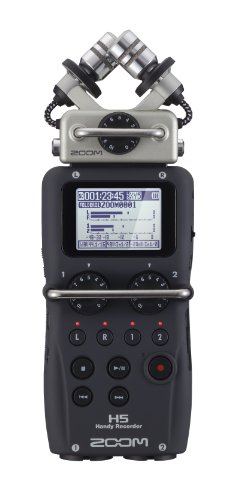
- Interchangeable input capsules with detachable X/Y mic
- Four-track recording with audio safety net
- Two XLR/TRS combo inputs with phantom power
Best For: Filmmakers and musicians needing flexible handheld recording
32-Bit Float Stereo Capture
TASCAM DR-05XP Portable Handheld Recorder

- 32-bit float, 24-bit, 16-bit, WAV, and MP3 modes
- Built-in mics handle loud sources up to 125dB SPL
- USB-C 2-in/2-out audio interface
Best For: Grab-and-go stereo recording with simple USB-C connectivity
Premium Large-Mic Recording
Zoom H5 Studio Handy Recorder for Filmmakers & Musicians

- 19.4mm X/Y mics for detailed stereo audio
- 32-bit float recording for clip-free takes
- Dedicated gain knobs and up to 4-track recording
Best For: Creators wanting premium onboard mics and hands-on control
Adjustable Stereo Convenience
TASCAM DR-07XP Portable Handheld Recorder

- Adjustable AB/XY stereo condenser microphones
- 32-bit float, 24-bit, 16-bit, WAV, and MP3 modes
- Supports microSD cards up to 512GB
Best For: Portable stereo recording with adjustable built-in microphones
Portable Stereo Starter
Zoom H1 Essential Recorder for Musicians, Podcasters & Content Creators

- 32-bit float stereo recording
- Built-in X/Y microphones
- USB-C mic mode for devices
Best For: Creators who want a compact recorder for music, podcasts, interviews, and everyday field audio.
All-in-One Kit Pick
Zoom H4essential 4-Track 32-Bit Float Recorder Bundle with APH-4e Kit
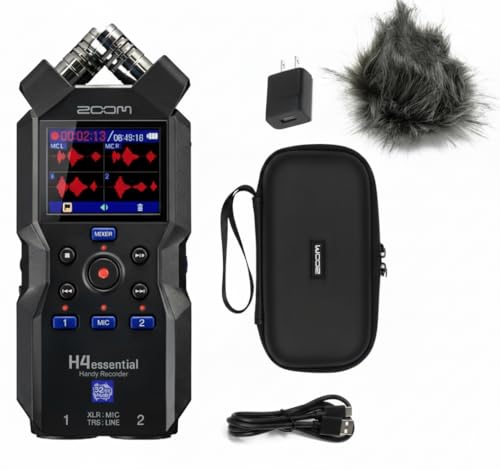
- 32-bit float 4-track recording
- Up to 20 hours of battery life
- Includes accessory pack and case
Best For: Recordists who want a bundled handheld recorder with extra accessories and extended runtime.
Flexible 4-Track Choice
Zoom H4 Essential Handheld Recorder for Musicians, Podcasters & Filmmakers

- 4-track recording with 32-bit float
- Two XLR/TRS inputs for external gear
- USB-C plus SD card backup recording
Best For: Creators who need a versatile handheld recorder for interviews, music, video, and field work.
Compact stereo pick
Xvive XV1-R 32-bit float portable stereo recorder

- 32-bit float recording for clip-free capture
- X/Y mics handle up to 130 dB SPL
- USB-C mic mode for PC, Mac, iOS, and Android
Best For: Portable stereo recording with simple USB mic flexibility
Pro multitrack pick
Zoom H6 Essential 6-track 32-bit float handheld recorder

- 6-track 32-bit float recording for clean takes
- Four XLR/TRS inputs plus built-in X/Y mics
- USB audio interface and SD card recording
Best For: Multi-input field recording and portable production
Versatile field pick
Zoom H2 Essential multi-pattern handheld recorder

- Three built-in mics with nine selectable patterns
- 32-bit float/96 kHz recording with no gain adjustment
- USB mic mode plus SD backup recording
Best For: Flexible everyday field recording with accessible controls
Modular 4-Track Flexibility – Zoom H5 4-Track Handheld Recorder for Filmmakers & Musicians
If you want handheld field recorders that can flex between filmmaking, music, and on-the-go capture, the Zoom H5 is built around that kind of versatility. Its interchangeable input capsule system, four-track recording, and two XLR/TRS combo inputs make it a practical choice when you need more routing options than a basic stereo recorder.
Best For: Filmmakers and musicians who want a compact recorder with swappable mics and XLR inputs.
Pros:
- Interchangeable input capsules, including the detachable X/Y capsule
- Four-track simultaneous recording with audio safety net support
- Two mic/line inputs with XLR/TRS combo connectors and selectable phantom power
- USB audio interface mode for PC, Mac, iPad, and Loop Back use
Cons:
- Uses 2 AA batteries rather than a built-in rechargeable battery
- Records to SD/SDHC cards up to 32GB, which is more limited than newer models
The H5 stands out if you value input flexibility and multitrack recording in a portable body. It’s a strong all-around option when you need a handheld recorder that can move from location audio to simple interface duties without much fuss.
32-Bit Float Stereo Capture – TASCAM DR-05XP Portable Handheld Recorder
Among handheld field recorders, the TASCAM DR-05XP is aimed at straightforward stereo capture with modern recording options. It combines built-in omnidirectional condenser microphones, 32-bit float recording, and USB-C audio interface support, making it a practical pick for music, voice, meetings, and audio for video.
Best For: Users who want an easy stereo handheld recorder with 32-bit float and USB-C interface support.
Pros:
- 32-bit float, 24-bit, 16-bit, WAV, and MP3 recording modes
- Built-in omnidirectional condenser mics handle loud sources up to 125dB SPL
- 2-in/2-out USB-C audio interface for direct computer recording
- Up to 17.5 hours of operation on 2 AA batteries
Cons:
- SD card and batteries are not included
- Built-in mic setup is stereo-focused, so it’s less expandable than XLR-based recorders
This is a strong grab-and-go option if you want a simple recorder with flexible file formats and dependable stereo mics. It fits well for users who prioritize convenience, portability, and direct USB-C connectivity over advanced input expansion.
Premium Large-Mic Recording – Zoom H5 Studio Handy Recorder for Filmmakers & Musicians
If you are comparing handheld field recorders and want a more feature-rich model, the Zoom H5 Studio pushes hard on sound quality and control. It uses a large 19.4mm X/Y capsule, 32-bit float recording, dedicated gain knobs, and up to four-track recording at high sample rates for more demanding field or production work.
Best For: Creators who want clip-free 32-bit float recording with hands-on control and larger built-in mics.
Pros:
- Large 19.4mm X/Y microphones for detailed stereo capture
- 32-bit float recording helps prevent clipped takes
- Dedicated gain knobs for quick, intuitive level adjustments
- Records up to 4 tracks at up to 192kHz in WAV format
Cons:
- Uses 4 AA batteries, so battery management matters on longer shoots
- Heavier than some compact handheld recorders
The H5 Studio is the most polished option here if you want better onboard mics and more direct level control. It makes sense for users who need portable multitrack recording without giving up the convenience of a handheld form factor.
Adjustable Stereo Convenience – TASCAM DR-07XP Portable Handheld Recorder
The TASCAM DR-07XP is a straightforward choice in handheld field recorders when you want adjustable stereo mics and modern recording formats. With selectable AB/XY condenser mic setups, 32-bit float support, and USB-C audio interface functionality, it covers everyday recording jobs without adding much complexity.
Best For: Users who want adjustable built-in stereo mics for music, voice, and video work.
Pros:
- AB/XY stereo condenser microphones with adjustable positioning
- 32-bit float, 24-bit, 16-bit, WAV, and MP3 recording modes
- USB-C 2-in/2-out audio interface for direct computer recording
- Supports microSD, microSDHC, and microSDXC cards up to 512GB
Cons:
- Memory card is not included
- 2 AA batteries are sold separately
This model is a practical pick if you want a compact recorder with flexible stereo mic patterns and broad card support. It is especially appealing for users who need an easy portable option for voice, music, meetings, and audio for video.
Portable Stereo Starter – Zoom H1 Essential Recorder for Musicians, Podcasters & Content Creators
If you want one of the simplest handheld field recorders for quick, polished capture, the Zoom H1 Essential is built around easy stereo recording and portability. It’s a practical choice for handheld field recorders when you need clean sound for videos, voiceovers, rehearsals, interviews, ambient audio, or livestreams without a complicated setup.
Best For: Creators who want a compact recorder for music, podcasts, interviews, and everyday field audio.
Pros:
- 32-bit float recording helps avoid clipping and makes capture more forgiving.
- Built-in X/Y stereo mics are ready for quick recording sessions.
- USB-C microphone mode works with computers and mobile devices.
- Lightweight 92 g design makes it easy to carry on shoots or trips.
Cons:
- Only offers stereo recording, not multi-track capture.
- Runs on 2 AAA batteries, which may be less convenient than rechargeable power.
- Best suited to simple setups rather than larger productions.
Overall, this recorder makes sense if you want straightforward handheld field recorders that prioritize fast setup, clear stereo sound, and flexible USB-C use. It’s a strong everyday option for creators who value convenience over advanced input counts.
All-in-One Kit Pick – Zoom H4essential 4-Track 32-Bit Float Recorder Bundle with APH-4e Kit
The Zoom H4essential bundle is a strong step up if you need handheld field recorders that can handle more demanding sessions with fewer worries about gain staging. With 32-bit float recording, a 4-track design, and the included APH-4e accessory pack, it’s aimed at creators who want a more complete out-of-the-box setup.
Best For: Recordists who want a bundled handheld recorder with extra accessories and extended runtime.
Pros:
- 32-bit float recording helps reduce clipping concerns in varied environments.
- Up to 20 hours of battery life supports longer recording sessions.
- Includes an accessory pack with windscreen, padded case, AC adapter, and USB-C cable.
- XLR/TRS combo jacks plus a stereo mini-jack input add flexible connectivity.
Cons:
- It’s a bundle, so the package may be more than some buyers need.
- Built around stereo operation rather than a more complex multi-channel workflow.
- The 2-inch display is functional, but not especially large.
This is a smart pick if you want handheld field recorders with more accessory support and longer runtime right from the start. It suits users who plan to record a variety of sources and want a package that feels ready for field use.
Flexible 4-Track Choice – Zoom H4 Essential Handheld Recorder for Musicians, Podcasters & Filmmakers
The Zoom H4 Essential is aimed at users who need handheld field recorders with more routing flexibility than a basic stereo model. Its 4-track design, built-in stereo mics, and two XLR/TRS inputs make it a practical option for recording dialogue, music, live performances, and field audio with more source options.
Best For: Creators who need a versatile handheld recorder for interviews, music, video, and field work.
Pros:
- 4-track recording gives you more room for layered captures.
- Two XLR/TRS inputs support external mics, instruments, mixers, or soundboards.
- 32-bit float recording helps keep levels safer in loud or unpredictable settings.
- USB-C and SD card recording provide both live use and backup storage.
Cons:
- Uses 2 AA batteries rather than a built-in rechargeable battery.
- At 243 g, it’s heavier than the smaller H1 model.
- More features may be unnecessary if you only need basic stereo capture.
If you want handheld field recorders that can grow with your projects, this model offers a useful balance of simplicity and flexibility. It’s especially appealing when you need external input options and a backup recording path to SD card.
Compact stereo pick – Xvive XV1-R 32-bit float portable stereo recorder
If you want handheld field recorders that keep setup simple, the Xvive XV1-R is built for fast, reliable capture. Its 32-bit float recording and X/Y microphones make it a practical option for musicians, podcasters, filmmakers, and anyone recording in unpredictable sound levels.
Best For: Creators who need a compact recorder with no-gain 32-bit float capture and easy USB mic use.
Pros:
- 32-bit float recording helps avoid clipping and removes the need to manage gain carefully.
- X/Y microphones are rated to handle up to 130 dB SPL for louder environments.
- Supports up to 96 kHz WAV recording plus AAC for smaller file sizes.
- USB-C mic mode works with PC, Mac, iOS, and Android devices.
Cons:
- No headphone jack is listed in the supplied details.
- Records to microSD, so media management is part of the workflow.
- Maximum digital recording time is listed at 12 hours.
The XV1-R is a strong fit if you value portability, flexible format support, and straightforward field recording without constant level checks. It leans toward convenience and clean stereo capture rather than a more advanced multi-input setup.
Pro multitrack pick – Zoom H6 Essential 6-track 32-bit float handheld recorder
Among handheld field recorders, the Zoom H6 Essential stands out when you need more input options and more recording flexibility. With 32-bit float capture across six tracks, four XLR/TRS combo inputs, and built-in X/Y mics, it suits band sessions, interviews, and live events where versatility matters.
Best For: Users who need a multi-input handheld recorder with 32-bit float safety and USB interface functionality.
Pros:
- 6-track 32-bit float recording helps keep takes free of clipping.
- Four XLR/TRS inputs expand the recorder beyond basic stereo capture.
- Built-in X/Y mics are rated up to 135 dB SPL.
- Can work as a USB audio interface while also recording to SD card.
Cons:
- Uses 4 AAA batteries, which may be less convenient than rechargeable power.
- Larger and heavier than simpler pocket-sized recorders.
- Some users may not need the extra input capacity if they only record basic stereo.
This is the more capable choice if your recording jobs vary from solo capture to multi-source sessions. It offers the flexibility of an interface and a standalone recorder in one unit, which can simplify a portable production kit.
Versatile field pick – Zoom H2 Essential multi-pattern handheld recorder
If you’re comparing handheld field recorders for interviews, ambient sound, or general portable use, the Zoom H2 Essential focuses on flexibility and ease of operation. Its three built-in microphones, nine selectable patterns, and 32-bit float/96 kHz recording make it adaptable for a wide range of capture needs.
Best For: Recordists who want a versatile, easy-to-use handheld recorder with multi-pattern mics and accessibility features.
Pros:
- Three built-in microphones with nine selectable patterns cover many recording scenarios.
- 32-bit float and 96 kHz support help keep recordings clean and high resolution.
- USB mic mode and SD recording can run at the same time for backup.
- Bluetooth control and timecode sync support multi-unit workflows.
Cons:
- Only three built-in mics, so it is less expandable than a model with XLR inputs.
- Battery requirement is 2 AA cells, so long sessions depend on spares.
- Best suited to handheld use rather than larger production rigs.
The H2 Essential is a practical choice if you want a recorder that adapts quickly without much setup. Its combination of multiple pickup patterns, backup recording, and accessibility features makes it especially user-friendly for field work.
How We Picked These Handheld Field Recorders
We prioritized portable recorders that are practical for real-world use: strong preamps, easy controls, dependable storage options, and features that reduce the risk of clipped audio. Models with 32-bit float recording were weighted heavily because they can be more forgiving in fast-moving recording situations. We also looked for useful creator features such as USB audio interface support, built-in microphones, track count flexibility, and layouts that are easy to use on set or in the field.
Quick Comparison
The simplest way to narrow the list is by use case. Compact stereo models are best for lightweight travel, interviews, and note-taking. Midrange recorders with four tracks suit filmmakers, podcasters, and musicians who need more routing options. Larger multi-input models are the best fit when you want more control over layered recordings, external mics, or more complex field sessions. If you need a hybrid device, look closely at Handheld Field Recorders that can also work as USB interfaces.
Key Buying Factors for Handheld Field Recorders
Recording Format and Bit Depth
32-bit float is a major advantage for capturing unpredictable sources, since it helps prevent permanent clipping and gives you more room to recover levels. That said, manual gain control still matters, especially if you want consistent monitoring and faster editing afterward.
Inputs, Tracks, and Mic Options
Think about how many sources you record at once. Built-in stereo mics are great for simple use, but external inputs become important for lavaliers, shotgun mics, instruments, and multi-speaker recordings. More tracks usually mean more flexibility, but also a slightly more complex workflow.
Portability and Power
If you travel often, weight, battery life, and ruggedness matter as much as specs. A good handheld recorder should be easy to carry, quick to start, and dependable during long shoots or sessions.
Connectivity and Workflow
USB-C interface support, headphone monitoring, file format choices, and easy file transfer can save time. Creators who move between field recording and direct-to-computer work should pay close attention to how smoothly the recorder fits into their setup.
Who Should Buy Which Handheld Field Recorders?
Choose a compact stereo model if you want the easiest grab-and-go option for ambience, voice capture, or travel. Step up to a four-track recorder if you need more creative control for video, music, or podcast work. Pick a larger model if you regularly record multiple sources and want more input flexibility. If you’re looking for a versatile everyday tool, the best Handheld Field Recorders are the ones that match your recording style, not just the longest spec sheet.