The right microphone preamp can add clean gain, reduce noise, and help a quiet dynamic or ribbon microphone perform at its best. It can also provide useful processing, phantom power, and routing options for a home studio or podcast setup.
We’ve selected 10 microphone preamp options ranging from compact inline boosters to full channel strips and USB audio interfaces, so you can match your budget, microphone, and recording workflow.
Best 10 Microphone Preamp Picks for 2026
All-in-One Channel Strip

- Built-in compression, de-esser, enhancer, and gate
- XLR mic and 1/4-inch line inputs
- Rack-mountable 1U design with LED metering
Best For: Vocal, podcast, live sound, and rack-based processing
Clean Gain Booster
Cloudlifter CL-1 Microphone Preamp

- Adds up to +25 dB of gain
- Uses phantom power without passing it to passive ribbons
- Compact XLR inline design
Best For: Podcasts, streaming, voiceovers, and passive microphones
Compact Inline Gain
Triton Audio FetHead Microphone Preamp
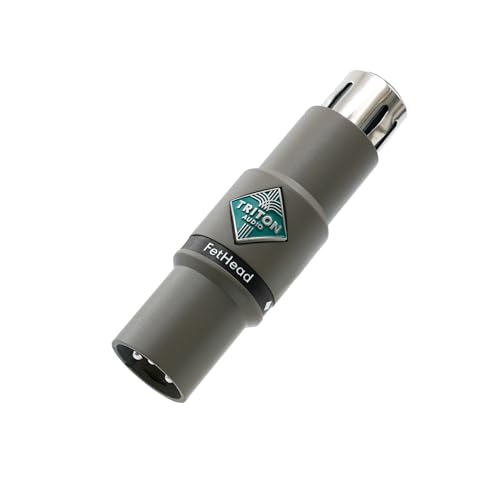
- Low-noise Class-A JFET amplifier
- Double single-ended topology
- Shielded compact enclosure
Best For: Minimal inline microphone signal chains
Tube Character and Flexibility

- Tube preamp with variable valve voicing
- Variable input impedance and dual source operation
- LED input and analog output metering
Best For: Studio microphones and guitars needing tube character
Best Budget Noise-Control Upgrade

- 19–66 dB practical gain range
- Claimed -120 dBV EIN
- Type-C power and 1 MΩ instrument input
Best For: Budget vocal, instrument, and streaming setups
Best All-in-One Starter Interface

- Built-in XLR preamp with 56 dB gain
- 24-bit/192kHz recording support
- Includes Hi-Z input, Air mode, and software
Best For: Home recording, vocals, guitar, and podcasts
Best Feature-Rich Gain Booster

- 0–72 dB adjustable gain
- Claimed -120 dBV EIN and 48V phantom power
- Hi-Z, HPF, phase, and dual-output features
Best For: Low-output microphones, streaming, and flexible studio setups
Best with Extra Features

- Adds 25dB of clean gain
- For dynamic and ribbon microphones
- Requires 48V phantom power
Best For: Podcasts, broadcasts, and live sound with quiet dynamic mics
Plug-and-Play XLR Upgrade
StudioMan DPM1 Dynamic Mic Preamp

- Delivers up to 29dB of gain
- Rugged metal XLR adapter design
- For dynamic and ribbon mics only
Best For: Creators needing extra gain from low-output dynamic microphones
Flexible Multi-Output Preamp

- Up to 75dB of gain and -120dB EIN
- Supports dynamic and condenser mics
- Balanced XLR and dual 3.5mm outputs
Best For: Vocal recording and versatile studio or portable setups
All-in-One Channel Strip – dbx 286s Microphone Preamp
The dbx 286s is a versatile microphone preamp and channel strip for users who want more than basic gain. It combines microphone and instrument inputs with compression, de-essing, enhancement, and expander/gate processing in a rack-mountable 1U unit.
Best For: Vocal recording, podcasting, live sound, and rack-based setups that need built-in signal processing.
Pros:
- Combines microphone preamp functionality with compression, de-essing, enhancement, and expander/gate effects.
- Accepts XLR microphone input and balanced or unbalanced 1/4-inch line signals.
- LED metering provides at-a-glance monitoring of audio levels and processor status.
- Includes an insert/loop-out connection for adding external processors.
Cons:
- Its single-channel design may not suit users who need multiple microphone inputs.
- The extensive processing controls may be more than a simple recording setup requires.
Choose the dbx 286s if you want a microphone preamp that also handles several common vocal and instrument-processing tasks. Its rack format and loop-out connection make it especially practical for permanent studio or live-system installations.
Clean Gain Booster – Cloudlifter CL-1 Microphone Preamp
The Cloudlifter CL-1 is an inline microphone preamp designed to add up to 25 dB of gain to quiet passive microphones. It uses phantom power from the connected microphone input while blocking that phantom power from reaching compatible passive ribbon microphones.
Best For: Podcasts, voiceovers, streaming, studio vocals, and passive microphones that need additional clean signal strength.
Pros:
- Provides up to +25 dB of microphone gain.
- Designed to preserve the natural sound of the connected microphone.
- Compatible with tube-, battery-, or power-supply-driven microphones and passive ribbons.
- Compact stainless-steel enclosure is suitable for studio and portable setups.
Cons:
- Requires a microphone input with standard +48V phantom power.
- It is a single-channel inline booster rather than a complete multi-feature channel strip.
- Its XLR-only connectivity limits it to microphone signal chains.
The CL-1 is a focused solution when a passive microphone needs more level before reaching an existing interface or preamp. It adds gain without replacing the rest of your recording chain, so confirm that your system supplies phantom power.
Compact Inline Gain – Triton Audio FetHead Microphone Preamp
The Triton Audio FetHead is an inline microphone preamp built around a low-noise Class-A JFET amplifier. Its shielded enclosure and matched JFET design make it a compact option for adding gain within a microphone signal path.
Best For: Users seeking a small inline microphone preamp with a Class-A JFET amplifier for a streamlined signal chain.
Pros:
- Uses a low-noise Class-A JFET amplifier.
- Features a double single-ended amplifier topology.
- Shielded enclosure supports a compact, focused inline design.
- Includes four matched JFETs.
Cons:
- The supplied notes do not specify its gain amount or phantom-power requirements.
- Its inline format may be less suitable for users wanting built-in compression or tone controls.
Consider the FetHead when a minimal, hardware-based microphone preamp is more appealing than a full channel strip. Its main selling points are the Class-A JFET architecture and shielded enclosure, while system compatibility should be checked before purchase.
Tube Character and Flexibility – ART TPS II Microphone Preamp
The ART TPS II is a tube microphone preamp system designed for users who want variable input impedance and tube-based voicing options. It automatically switches between instrument and microphone preamp operation and includes input and analog output metering.
Best For: Studio users recording microphones or guitars who want warm tube character, adjustable input impedance, and protection features.
Pros:
- Uses ART tube technology with variable valve voicing.
- Offers variable input impedance for flexible source matching.
- Automatically switches between instrument and microphone preamp modes.
- Includes LED input and analog output meters plus an output protection limiter.
Cons:
- Its tube-based, corded design is less compact than an inline preamp.
- The supplied notes identify one output channel, so it may not fit multi-channel requirements.
- Users seeking strictly transparent solid-state gain may prefer another design.
The TPS II is a strong fit for recording setups that value controllable tube coloration alongside practical metering and input flexibility. Its wide stated frequency response and instrument/microphone operation make it more adaptable than a dedicated mic-only preamp.
Best Budget Noise-Control Upgrade – RO03 66 dB Mic Preamp
The RO03 is a practical microphone preamp for users who need substantial clean gain without moving to a full studio rack. Its 19–66 dB gain range, claimed -120 dBV EIN, Type-C power input, and support for dynamic, condenser, ribbon, and instrument sources make it a flexible choice for budget recording, streaming, and portable setups.
Best For: Budget-conscious vocalists, streamers, and musicians pairing a preamp with an audio interface’s TRS line input.
Pros:
- 19–66 dB gain range is designed for practical, real-world use.
- Claimed -120 dBV EIN helps maintain a low noise floor at higher gain.
- 1 MΩ instrument input improves compatibility for guitar and other instruments.
- Type-C power supports more portable recording and streaming setups.
Cons:
- The microphone and instrument inputs cannot be used simultaneously.
- The manufacturer recommends a TRS line connection for the lowest noise, so cable matching matters.
- It is a single-channel preamp rather than a complete recording interface.
Choose the RO03 when clean additional gain and portability matter more than an all-in-one interface. It is especially appealing for users who already have suitable interface inputs and want to keep the setup affordable.
Best All-in-One Starter Interface – Scarlett Solo 3rd Gen
The Scarlett Solo 3rd Gen is an audio interface with a built-in microphone preamp, making it a straightforward alternative to buying separate recording components. It combines a high-performance XLR preamp, Hi-Z instrument input, USB connectivity, headphone monitoring, and recording support up to 24-bit/192kHz in a compact desktop unit.
Best For: Beginners, singers, guitarists, podcasters, and home recordists who want a complete computer-based recording interface.
Pros:
- Built-in XLR microphone preamp with a 56 dB gain range.
- Switchable Air mode can add clarity to acoustic instruments.
- Dedicated Hi-Z instrument input suits guitar and bass.
- Includes recording software and a three-year warranty according to the supplied notes.
Cons:
- It offers one XLR microphone preamp, limiting simultaneous microphone recording.
- The unit relies on USB connectivity and is less suited to standalone, interface-free setups.
- Its gain range is narrower than the dedicated 66–72 dB preamps in this roundup.
The Scarlett Solo is the most convenient choice if you need both a microphone preamp and the rest of the recording chain in one device. Its converters, monitoring outputs, software bundle, and instrument input make it a strong starting point for home recording.
Best Feature-Rich Gain Booster – RO-04 72 dB Mic Preamp
The RO-04 is a microphone preamp built for demanding gain requirements and flexible routing. Its 0–72 dB adjustable gain, claimed -120 dBV EIN, 48V phantom power, Hi-Z input, high-pass filter, phase control, and separate output levels give it broad utility for microphones, instruments, desktop recording, and mobile streaming.
Best For: Users working with low-output dynamic microphones, live streams, podcasts, instruments, and setups that need flexible output matching.
Pros:
- 0–72 dB gain range accommodates low-output microphones and quieter sources.
- Claimed -120 dBV EIN is intended to preserve a low noise floor at higher gain.
- Supports 48V phantom power and separate microphone and 1 MΩ instrument inputs.
- USB-C power-bank compatibility improves portability for mobile use.
Cons:
- At 2.42 pounds, it is heavier than a compact USB interface.
- The supplied notes do not specify computer recording connectivity or bundled software.
- Its additional controls and output options may be more than casual users need.
The RO-04 is the strongest fit when maximum clean gain and signal-matching flexibility are priorities. It offers more dedicated preamp features than a basic booster, though buyers wanting direct computer recording should confirm how it integrates with their existing interface or streaming hardware.
Best with Extra Features – Coda 25dB Microphone Preamp
The Coda MB-1 is a compact microphone preamp for adding 25dB of clean gain to quiet dynamic and ribbon microphones. It can help reduce the need to push a noisy interface preamp, but it requires 48V phantom power from an interface or external supply and does not supply phantom power itself.
Best For: Dynamic or ribbon microphones used for podcasting, broadcasting, streaming, studio recording, and live sound.
Pros:
- Adds 25dB of gain while maintaining the microphone’s natural sound.
- Designed for low-noise operation with a stated -70dB noise rating.
- Aluminum construction suits both studio and stage use.
Cons:
- Requires external 48V phantom power.
- Not compatible with condenser microphones.
This is a straightforward choice when a dynamic or ribbon mic needs extra level before reaching an interface or mixer. Confirm that your setup supplies phantom power before buying.
Plug-and-Play XLR Upgrade – StudioMan DPM1 Dynamic Mic Preamp
The StudioMan DPM1 is an XLR microphone preamp that delivers up to 29dB of gain for low-output dynamic and ribbon microphones. Its compact metal housing fits between the microphone and interface or mixer, helping you raise signal level without relying as heavily on a noisy built-in preamp.
Best For: Podcasters, streamers, vocalists, and live sound users with dynamic or ribbon microphones and a 48V-capable interface or mixer.
Pros:
- Provides up to 29dB of clean, transparent gain.
- Compact plug-and-play XLR design works with standard microphone setups.
- Metal casing helps with durability and interference shielding.
- Includes a one-year manufacturer warranty and stated technical support.
Cons:
- Requires 48V phantom power, which is not included.
- Strictly intended for dynamic and ribbon microphones, not condensers.
The DPM1 is a practical signal booster for users who want more headroom from a compatible dynamic mic without replacing an entire audio interface. Check phantom-power compatibility before connecting it.
Flexible Multi-Output Preamp – JCANOL MIC-1 75dB Mic Preamp
The JCANOL MIC-1 is a versatile microphone preamp with up to 75dB of gain, 48V phantom power, and a stated -120dB EIN noise performance. It supports dynamic and condenser microphones, offers balanced XLR output plus 3.5mm outputs, and includes a high-impedance instrument input for compatible source recording.
Best For: Vocal recording and setups that need substantial gain, built-in phantom power, balanced XLR connectivity, or direct 3.5mm outputs.
Pros:
- Provides up to 75dB of adjustable gain for quiet sources.
- Supports both dynamic and condenser microphones with 48V phantom power.
- Offers balanced XLR, 3.5mm mic, and 3.5mm line outputs.
- Includes a 1MΩ high-impedance instrument input and a three-year warranty.
Cons:
- The two input ports cannot operate simultaneously.
- Its broader feature set may be more than needed for a simple single-XLR setup.
The MIC-1 is the most flexible option here for users who need high gain and multiple connection formats. Its separate input modes and output choices make it useful across studio, computer, and portable recording workflows.
How We Picked These Microphone Preamps
We focused on practical differences that affect real-world recording: available gain, noise performance, microphone compatibility, phantom-power handling, connectivity, controls, and intended use. The selection includes inline boosters for low-output dynamic and ribbon microphones, standalone preamps for flexible studio setups, channel strips with built-in processing, and an audio interface for users who need microphone amplification and computer connectivity in one device.
Specifications can vary by version and retailer, so confirm the current input, output, power, and gain details before purchasing. Inline boosters may also require phantom power from the connected interface or mixer, while condenser microphones generally need a preamp or interface that supplies 48V phantom power directly.
Quick Comparison
| Best For | Recommended Type | What to Look For |
|---|---|---|
| Low-output dynamic or ribbon microphone | Inline microphone booster | Clean gain, low noise, and phantom-power compatibility |
| Podcast voice processing | Channel strip | Compression, de-essing, gating, and tone controls |
| Tube coloration | Tube preamp | Tube stage, input flexibility, and output headroom |
| Computer recording | USB audio interface | Driver support, monitoring, phantom power, and converters |
| Multiple microphones or instruments | Multi-input preamp | Input count, Hi-Z support, routing, and independent gain |
Key Buying Factors for a Microphone Preamp
Gain and Noise
Choose enough gain to reach a healthy recording level without driving the preamp or interface into excessive noise. Low-output dynamics and passive ribbons typically benefit most from a clean, high-gain design. A high maximum gain figure is useful only when the unit remains quiet and stable near that range.
Microphone Compatibility
Check whether the unit supports dynamic, condenser, and ribbon microphones. Condenser models require 48V phantom power, while some inline boosters pass phantom power through to activate their circuitry. Use extra care with passive ribbon microphones and confirm the manufacturer’s phantom-power guidance before connecting or disconnecting them.
Connectivity and Features
Match the output to your system. XLR units are suited to mixers and audio interfaces, while USB models connect directly to a computer. Useful extras may include a Hi-Z instrument input, phase reversal, high-pass filtering, loop-out routing, headphone monitoring, or built-in compression and de-essing.
Form Factor and Workflow
An inline booster is small and simple, but it still needs a downstream preamp or interface. A channel strip offers more control but takes up more space and requires a more deliberate setup. For beginners recording directly to a computer, an interface may be the most efficient choice.
Who Should Buy Which Microphone Preamp?
- Choose an inline booster if your dynamic or ribbon microphone sounds too quiet and you already own an interface or mixer.
- Choose a channel strip if you want hands-on vocal processing for podcasts, streaming, or spoken-word recording.
- Choose a tube preamp if you specifically want tube coloration and have a compatible recording chain.
- Choose a USB audio interface if you need microphone gain, phantom power, computer recording, and monitoring in one compact unit.
- Choose a multi-input model if you record several microphones or need both XLR and instrument connections.
For the cleanest upgrade, prioritize adequate gain and low noise before extra effects. Once those fundamentals are covered, choose features that fit the way you record rather than paying for controls you will rarely use.