Compact microphone preamps can give low-output microphones the extra gain they need without requiring a full-size rack unit. The right model can improve recording levels, simplify a mobile setup, or add useful connectivity between a microphone and interface.
This roundup compares 10 compact options across gain range, microphone compatibility, phantom-power support, noise performance, inputs, outputs, and power requirements.
Best 10 Compact Microphone Preamps Picks for 2026
Best Compact Inline Booster
Coda MB-Stealth 28dB Mic Preamp
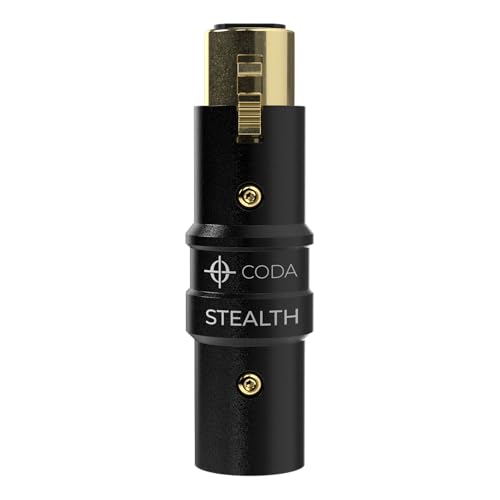
- Adds 28dB of stated clean gain
- Compact aluminum XLR design
- For dynamic and ribbon microphones
Best For: Simple gain boosting for dynamic-mic recording and streaming setups
Best Rugged XLR Adapter
StudioMan DPM1 29dB Dynamic Mic Preamp

- Provides 29dB of stated gain
- Rugged metal interference-shielded housing
- Requires 48V phantom power
Best For: Dynamic and ribbon microphones in studio, podcast, or stage setups
Best Battery-Powered Mini Amp
ME1 Adjustable Electret Mic Preamp

- Adjustable 0–20dB gain range
- Built-in bias for electret microphones
- Rechargeable battery rated for over 10 hours
Best For: Portable 3.5mm electret-microphone setups
Best Two-Channel Option
StudioMan CL-200 2-Channel XLR Preamp

- Boosts two mic signals simultaneously
- Provides 25dB stated clean gain
- Balanced XLR input and output
Best For: Two-microphone studio, podcast, or live-sound setups
Most Versatile
VBESTLIFE 3-Input Microphone Preamp
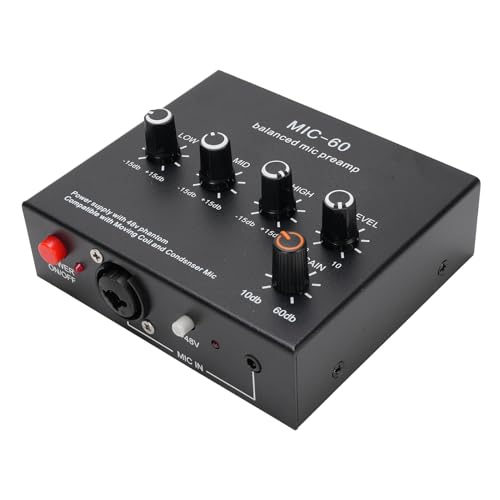
- Up to +60dB gain with balanced, low-noise circuitry
- 48V power supports dynamic and condenser microphones
- XLR, 3.5mm, and 6.35mm connectivity
Best For: Flexible home studio, podcasting, and streaming setups
Best for Dynamic Mics

- Adds +25dB of clean gain
- Balanced XLR input and output
- Compact metal housing with one-year warranty
Best For: Dynamic and passive ribbon microphones in XLR-based setups
Best Simple Booster

- Clean 20dB balanced gain
- 48V power for dynamic and condenser microphones
- Lightweight metal case with low-noise design
Best For: Portable home recording, podcasting, and streaming
Best Low-Noise Upgrade

- 19–66dB gain range
- Stated -120dBV EIN
- XLR, TRS, TS, and Type-C connectivity
Best For: Home recording, instruments, streaming, and high-gain microphone use
Best Simple Portable Option

- 20dB balanced gain
- 5V/48V support
- 3.5mm, 6.35mm, and XLR interfaces
Best For: Podcasts, live streaming, home studios, and portable setups
Best Rechargeable Design
High-Gain Rechargeable Mic Booster

- Rechargeable portable operation
- 20dB balanced gain
- Two inputs with 48V support
Best For: Mobile recording, podcasting, streaming, and compact studios
Best Compact Inline Booster – Coda MB-Stealth 28dB Mic Preamp
The Coda MB-Stealth is one of the most streamlined compact microphone preamps for adding gain to a low-output dynamic or passive ribbon microphone. It uses your interface’s 48V phantom power and provides 28dB of stated gain in a small aluminum housing.
Best For: Podcasters, streamers, and recording setups using dynamic or ribbon microphones that need extra clean gain.
Pros:
- Provides 28dB of advertised ultra-clean gain.
- Compact matte-black aluminum design fits neatly in an XLR signal chain.
- Designed with a stated -70dB noise rating to help limit hiss and hum.
Cons:
- Not compatible with condenser microphones.
- Requires 48V phantom power from an audio interface or mixer.
The MB-Stealth is a practical choice when you want a simple, single-channel gain boost without adding a larger external preamp. Confirm your microphone type and phantom-power availability before buying.
Best Rugged XLR Adapter – StudioMan DPM1 29dB Dynamic Mic Preamp
The StudioMan DPM1 is a plug-and-play option among compact microphone preamps, designed to raise the output of low-level dynamic and ribbon microphones by 29dB. Its metal enclosure and standard male-to-female XLR connections make it easy to place between a microphone and an interface or mixer.
Best For: Podcasters, vocalists, streamers, and live-sound users with a compatible interface or mixer that supplies 48V phantom power.
Pros:
- Offers a stated 29dB clean, transparent signal boost.
- Metal housing is designed for durability and interference shielding.
- Compatible with standard three-pin XLR dynamic microphones and passive ribbon microphones.
- Includes a one-year manufacturer warranty and technical support.
Cons:
- Not for condenser microphones.
- 48V phantom power is required and is not included.
The DPM1 suits users who want a straightforward inline activator with a rugged build. It can help reduce the need to run an interface preamp near its maximum gain, provided your microphone and equipment meet its compatibility requirements.
Best Battery-Powered Mini Amp – ME1 Adjustable Electret Mic Preamp
The ME1 takes a different approach to compact microphone preamps, using 3.5mm connections and an adjustable 0–20dB gain range for electret microphones. Its built-in bias, rechargeable 150mAh battery, and portable enclosure make it suited to small, consumer-style audio setups rather than balanced XLR systems.
Best For: Musicians, podcasters, and content creators using compatible 3.5mm electret microphones and sound devices.
Pros:
- Adjustable gain from 0 to 20dB.
- Built-in bias supports electret microphone input.
- Rechargeable battery provides more than 10 hours of stated continuous use.
- 3.5mm input and output support independent or mixed connections.
Cons:
- Uses 3.5mm interfaces rather than professional XLR connections.
- Designed for electret microphones, so compatibility should be checked before purchase.
- Requires a DC 5–12V power supply for charging or operation details as applicable.
The ME1 is worth considering when portability and adjustable gain matter more than XLR connectivity. Its rechargeable design can be convenient for mobile use, but it is best matched with the microphones and devices specified in the product details.
Best Two-Channel Option – StudioMan CL-200 2-Channel XLR Preamp
The StudioMan CL-200 stands out among compact microphone preamps when you need to boost two passive microphone signals at once. It supplies a stated 25dB gain increase through balanced XLR input and output, using 48V phantom power from a compatible mixer or audio interface.
Best For: Home studios, podcasts, live sound, and recording engineers who need simultaneous gain boosting for two dynamic or passive ribbon microphones.
Pros:
- Dual-channel design processes two microphone signals simultaneously.
- Provides a stated 25dB clean gain boost for dynamic and passive ribbon microphones.
- Advertised frequency response is 10Hz–20kHz (±1dB), with THD+N below 0.02% at 1kHz.
- Balanced XLR output supports longer cable runs from the booster to a mixer or interface.
Cons:
- Not compatible with condenser microphones or passing phantom power to them.
- Requires standard 48V phantom power.
- The product recommends keeping the microphone-to-booster XLR cable under 30 feet.
The CL-200 is the strongest fit here for multi-microphone workflows because it combines two channels with a compact metal housing. It makes the most sense when your microphones are passive and your interface or mixer can provide phantom power.
Most Versatile – VBESTLIFE 3-Input Microphone Preamp
For shoppers comparing compact microphone preamps, this VBESTLIFE model stands out for its flexible connectivity and broad microphone support. It offers up to 60dB of gain, 48V power for condenser microphones, and multiple input and output options for recording, mixing, or streaming.
Best For: Home studios, vocal recording, podcasting, live streaming, and users who need several connection options.
Pros:
- Up to +60dB of gain with a balanced circuit designed for low-noise operation.
- Supports dynamic and condenser microphones, including microphones such as the SM7B and 55SH.
- Offers XLR, 3.5mm, and 6.35mm connections for microphones, interfaces, mixers, speakers, and other devices.
- Compact 315g metal housing is portable and helps reduce interference.
Cons:
- Its many connection options may be more than needed for a simple single-microphone setup.
- The listed manufacturer warranty is 90 days.
This is the most adaptable choice of the three, particularly if your setup includes different microphone types or multiple audio connections. Choose it when flexibility matters more than having a minimal signal-booster design.
Best for Dynamic Mics – StudioMan CL-100 XLR Preamp
If you need one of the more focused compact microphone preamps for a dynamic or passive ribbon microphone, the StudioMan CL-100 is a straightforward option. Its 25dB gain circuit, balanced XLR input and output, and compact metal chassis are aimed at clean signal boosting in desktop and studio setups.
Best For: Dynamic microphones, passive ribbon microphones, podcasts, broadcast-style setups, and recording chains using XLR connections.
Pros:
- Provides +25dB of clean gain for low-level dynamic and passive ribbon microphone signals.
- Standard balanced XLR input and output integrate with interfaces, mixers, and recording devices.
- Compact 5.8 x 2.5 x 2.5-inch metal housing provides portability and EMI/RFI shielding.
- Includes a stated one-year warranty and technical support.
Cons:
- It is specifically designed for dynamic and passive ribbon microphones rather than offering the broader connectivity of some alternatives.
- Its 25dB gain is lower than the maximum gain offered by the VBESTLIFE model.
The CL-100 makes the most sense when your setup is built around balanced XLR connections and a low-output dynamic microphone. Its focused design keeps the signal path simple while adding useful gain in a small footprint.
Best Simple Booster – Compact 20dB Mic Preamplifier
This compact microphone preamp is a simple choice for adding clean gain without taking up much space. It supplies 20dB of balanced amplification, 48V power for compatible condenser microphones, and an XLR output in a lightweight black metal case.
Best For: Home studios, podcasting, live streaming, and users seeking a portable booster for dynamic or condenser microphones.
Pros:
- Provides 20dB of clean, transparent gain through balanced amplification circuitry.
- 48V power supports use with both dynamic and condenser microphones.
- Fully balanced design is intended to deliver low noise without added sonic coloration.
- Lightweight 8.8-ounce body and black metal case are easy to carry and help reduce interference.
Cons:
- Its 20dB gain is less than the maximum available from the VBESTLIFE preamp.
- The supplied details identify an XLR output but do not list the same range of connectors as the multi-output alternative.
Choose this model when you want a lightweight, uncomplicated gain stage for a home or mobile recording setup. It is a practical middle ground for users who value low noise and microphone compatibility over extensive routing options.
Best Low-Noise Upgrade – RO03 66dB Mic Preamp
The RO03 is a strong choice among compact microphone preamps when you want substantial gain, low stated noise, and flexible connections in a portable Type-C-powered design. Its 19–66dB gain range supports dynamic, condenser, and ribbon microphones, while the 1MΩ instrument input is suited to DI-style instrument recording.
Best For: Budget-conscious vocalists, instrument recordists, streamers, and home studios needing high gain and flexible line connectivity.
Pros:
- 66dB of practical variable gain with a stated -120dBV EIN noise floor.
- Supports dynamic, condenser, and ribbon microphones plus instruments.
- Offers XLR, TRS, and TS connections, with Type-C power for portability.
- Includes +4dBu and -10dBV output options.
Cons:
- The two input ports cannot be used simultaneously.
- For the lowest noise, the manufacturer recommends connecting to an interface’s TRS line input rather than XLR.
- It is a single-channel preamp.
With its broad gain range and instrument-friendly impedance, the RO03 is more versatile than a basic mic booster. Careful cable selection and TRS line-input connection are important to achieve its intended low-noise performance.
Best Simple Portable Option – Compact 20dB Mic Preamp
This compact microphone preamp is designed for straightforward signal boosting in home studios, podcasts, live streams, and recording setups. Its fully balanced circuit provides 20dB of gain, while support for 5V and 48V power accommodates both dynamic and condenser microphones.
Best For: Users seeking a lightweight, affordable mic amplifier with broad interface support and 48V capability.
Pros:
- Compact, lightweight design is easy to carry and store.
- Fully balanced circuit is designed for clean, low-noise gain.
- Supports dynamic and condenser microphones, including models such as the SM7B and 55SH.
- Provides 3.5mm, 6.35mm, and XLR interfaces, with included sound and USB power cables.
Cons:
- Its 20dB gain is lower than the RO03’s maximum gain.
- The supplied notes do not specify a detailed EIN or noise-floor figure.
- Condenser microphone use with 48V is listed at approximately 3–5 hours.
The sturdy metal case and multiple connector options make this a practical general-purpose booster. It is best suited to users who value simplicity and portability over extensive gain adjustment or detailed control features.
Best Rechargeable Design – High-Gain Rechargeable Mic Booster
This rechargeable compact microphone preamp combines 20dB of balanced, transparent gain with two inputs and 48V support. Its low-noise circuit and metal casing make it a practical option for mobile recording, podcasting, live streaming, and home-studio use.
Best For: Mobile creators and small studio users who want rechargeable operation, dual inputs, and support for dynamic and condenser microphones.
Pros:
- Rechargeable design improves portability for recording and streaming away from fixed power.
- Two inputs provide added connection flexibility.
- Fully balanced circuitry delivers stated 20dB clean, transparent gain.
- 48V power supports condenser microphones as well as dynamic models.
Cons:
- The supplied specifications do not state battery runtime or charging details.
- Its 20dB gain is intended as a booster rather than an extremely high-gain preamp.
- No specific EIN measurement is provided in the notes.
The rechargeable power design distinguishes this model from conventional compact boosters, while the two-input layout broadens its usefulness. Consider it when portability and flexible microphone compatibility matter more than maximum gain or published noise specifications.
How We Picked These Compact Microphone Preamps
We focused on Compact Microphone Preamps that address common recording and live-sound needs: boosting quiet dynamic microphones, supporting condenser microphones, fitting into portable rigs, and connecting cleanly with interfaces or mixers. We compared advertised gain, noise claims, phantom-power availability, connector types, channel count, power design, and compatibility with dynamic, condenser, ribbon, electret, or instrument sources.
Specifications can vary by revision and seller, so verify the product listing before buying—particularly voltage requirements, included cables, phantom-power behavior, and whether an adapter is intended for balanced XLR use.
Quick Comparison
| Best For | Look For | Potential Advantage |
|---|---|---|
| Low-output dynamic microphones | About 20–30 dB of clean gain | More usable level before interface gain is maxed out |
| Condenser microphones | 48V phantom power | Can power compatible microphones without a separate supply |
| Portable recording | Small housing and simple power | Easy placement in a travel or desktop setup |
| Two-microphone recording | Two channels or multiple inputs | Supports interviews, vocals, or basic stereo setups |
| Instrument or electret sources | 3.5mm input and adjustable bias | Better fit for non-XLR microphones and small audio circuits |
Key Buying Factors for Compact Microphone Preamps
Gain and Noise
Choose enough gain for the microphone and recording distance, but do not assume the highest number is automatically best. Excessive gain can raise hiss, overload the next device, or make level control difficult. Low-noise designs are especially important for quiet speech, dynamic microphones, and ribbon microphones.
Microphone Compatibility
Check whether the preamp is designed for dynamic, condenser, ribbon, or electret microphones. A 3.5mm model may use different bias-power requirements than an XLR unit. Ribbon microphones also require careful phantom-power handling; follow the microphone manufacturer’s instructions before enabling 48V.
Connections and Channels
XLR input and output are generally the safest choice for balanced microphone cabling. Models with 3.5mm or 6.35mm connections may be more flexible for consumer audio gear, but adapters can affect cable management and compatibility. Select a two-channel unit when recording two sources at once matters.
Power and Phantom Voltage
Confirm how the unit is powered—USB, battery, DC adapter, or phantom power—and whether the stated 48V function supplies phantom power or merely passes it through. A rechargeable model can suit mobile use, while an AC-powered unit may be more practical for a permanent desktop setup.
Who Should Buy Which Compact Microphone Preamps?
For a low-output dynamic microphone and a straightforward interface connection, prioritize a simple XLR inline booster with clean gain and minimal controls. For condenser microphones, choose a model explicitly supporting 48V phantom power and verify that its output matches your interface or mixer. Buyers recording two microphones should consider a two-channel preamp, while mobile creators may prefer a rechargeable or compact plug-and-play design.
If you use an electret microphone or another 3.5mm source, choose the adjustable 3.5mm preamp rather than an XLR-only booster. Finally, musicians and engineers seeking maximum flexibility should favor the unit with the clearest noise specification, broadest gain range, and the connector layout that matches the rest of the signal chain.