The best dynamic microphones can make vocals, podcasts, livestreams, and home recordings sound clearer while helping reduce room noise and background distractions. The right choice depends on your connection type, pickup pattern, setup, and budget.
We compared 10 popular models across vocal performance, broadcasting, gaming, karaoke, and hybrid USB/XLR use to help you find a microphone that fits your setup without paying for features you do not need.
Best 10 Dynamic Microphones Picks for 2026
Stage-Tested Classic
Shure SM58 Pro XLR Dynamic Vocal Microphone

- Focused cardioid vocal pickup
- Built-in pop and wind protection
- Rugged metal construction with XLR output
Best For: Live vocals, presentations, podcasting, and recording
Simple Vocal Workhorse
Sennheiser XS 1 Handheld Dynamic Microphone

- Cardioid handheld vocal design
- Silent mute switch
- Includes clip and carrying pouch
Best For: Live singing, speech, karaoke, and entry-level XLR setups
Karaoke Pair Value
Cable Matters 2-Pack Cardioid Dynamic Microphones

- Includes two wired microphones
- 15-foot cables for flexible movement
- 6.35 mm plugs for compatible karaoke equipment
Best For: Duets, parties, karaoke nights, and quick event setups
Connected Creator Pick
Shure MV7+ USB-C & XLR Podcast Dynamic Mic

- USB-C and XLR connectivity
- Built-in denoising and Auto Level Mode
- Includes desktop stand and foam windscreen
Best For: Podcasting, streaming, gaming, and voice-focused content creation
Studio Standard
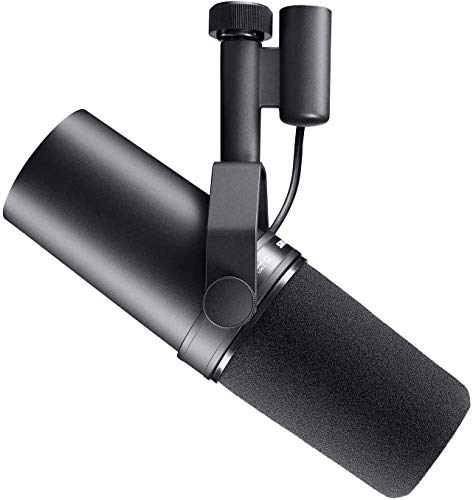
- Warm, balanced vocal sound
- Cardioid focus and built-in pop filtering
- Professional XLR control and rugged metal build
Best For: Podcasting, streaming, voiceover, and studio vocals
Podcast Workhorse

- Speech-focused broadcast capsule
- Internal pop filter and shock mounting
- All-metal XLR design with integrated swing mount
Best For: Podcasting and streaming with an XLR setup
Stage Vocal Specialist

- Supercardioid pickup for stage focus
- Controlled bass rolloff and clear vocals
- Rugged grille with useful included accessories
Best For: Live singing and demanding stage performances
Best USB/XLR Gaming Pick

- USB and XLR connections
- Tap-to-mute and headphone monitoring
- Cardioid pickup with RGB over USB
Best For: Gaming, streaming, and beginner podcasting
Best Budget Karaoke Mic
FIFINE K6 1/4-Inch Vocal Microphone

- 14.8-foot included cable
- Rugged metal handheld design
- Cardioid pickup for live vocals
Best For: Karaoke, presentations, and 1/4-inch PA systems
Best Complete Podcast Kit

- USB/XLR dynamic microphone
- Boom arm, shock mount, and windscreen included
- USB mute, gain, and monitoring controls
Best For: Podcasting and streaming from a dedicated desk setup
Stage-Tested Classic – Shure SM58 Pro XLR Dynamic Vocal Microphone
The Shure SM58 is one of the most recognizable dynamic microphones for vocals, combining a focused cardioid pattern with a warm, articulate frequency response. Its XLR connection makes it a practical fit for audio interfaces, mixers, live sound systems, podcasting, and recording setups.
Best For: Vocalists, presenters, performers, and buyers who want a durable XLR microphone for live or studio use.
Pros:
- Cardioid pickup helps focus on the voice while reducing background noise and feedback.
- Built-in grille and filter help reduce plosives, breath, and wind noise.
- Rugged metal construction is suited to touring and frequent handling.
- Includes a swivel stand adapter and storage bag.
Cons:
- Uses an XLR connection rather than direct USB connectivity.
- Its 50 Hz–15 kHz frequency range is tailored to vocals rather than broad instrumental capture.
The SM58 remains a dependable choice when vocal clarity, feedback control, and physical durability matter more than extra digital features. You will need compatible XLR equipment, but its straightforward design makes it easy to integrate into established audio systems.
Simple Vocal Workhorse – Sennheiser XS 1 Handheld Dynamic Microphone
The Sennheiser XS 1 is a straightforward dynamic microphone for speech and vocals. Its unidirectional cardioid pattern, 3-pin XLR connector, silent mute switch, and included clip make it a practical option for live performance, karaoke, amplifiers, and mixers.
Best For: Singers, speakers, karaoke users, and beginners who need a simple handheld XLR microphone.
Pros:
- Cardioid pattern provides directional vocal capture.
- Silent mute switch adds convenient control during use.
- Metal enclosure offers a durable handheld design.
- Includes a microphone clip and carrying pouch.
Cons:
- Requires an XLR-compatible amplifier, mixer, or interface.
- Does not include USB connectivity or built-in digital processing.
The XS 1 focuses on essential functionality rather than advanced controls. It is a sensible pick for users who want a familiar handheld format, directional pickup, and easy connection to traditional audio equipment.
Karaoke Pair Value – Cable Matters 2-Pack Cardioid Dynamic Microphones
This Cable Matters two-pack gives karaoke nights and group events two cardioid dynamic microphones, each with a 15-foot cable and 6.35 mm plug. The microphones are designed for vocal clarity and plug-and-play use with compatible karaoke machines and AUX-style inputs.
Best For: Karaoke hosts, parties, duets, and buyers who need two wired microphones with generous cable length.
Pros:
- Two microphones support duets and group performances.
- Cardioid pickup helps emphasize the main sound source and reduce surrounding noise.
- 15-foot cables allow performers to move around more freely.
- 6.35 mm connectors offer simple compatibility with suitable karaoke equipment.
Cons:
- Uses 6.35 mm auxiliary-style connectors rather than XLR or USB.
- Best suited to karaoke and vocal use rather than professional studio applications.
- Compatibility depends on equipment with the appropriate 6.35 mm input.
For events where quantity and easy setup matter, this bundle is more practical than buying microphones individually. Confirm that your system accepts 6.35 mm inputs, then connect the included cables for a ready-to-use karaoke arrangement.
Connected Creator Pick – Shure MV7+ USB-C & XLR Podcast Dynamic Mic
The Shure MV7+ is a versatile dynamic microphone for podcasting, streaming, gaming, and recording. It supports both USB-C and XLR connections, while built-in DSP features such as Voice Isolation, real-time denoising, Auto Level Mode, and a digital pop filter help simplify voice-focused setups.
Best For: Podcasters, streamers, YouTubers, and creators who want USB convenience with an upgrade path to XLR equipment.
Pros:
- USB-C and XLR connectivity supports both computer-based and traditional audio setups.
- Real-time denoiser and Voice Isolation help reduce ambient noise and room echo.
- Auto Level Mode adjusts gain based on voice volume and microphone distance.
- Includes an adjustable desktop stand, USB-C cable, and foam windscreen.
Cons:
- Its 3.6-pound bundled setup is less portable than a basic handheld microphone.
- Advanced features rely on the MOTIV Mix app and compatible computer setup.
- More features and hardware may be unnecessary for simple live vocal use.
The MV7+ is the most feature-rich option here for creators who need clean spoken-word audio with minimal manual adjustment. USB-C makes it accessible to beginners, while XLR connectivity preserves flexibility for a more advanced studio workflow.
Studio Standard – Shure SM7B
The Shure SM7B is a professional choice among dynamic microphones for podcasting, streaming, voiceover, singing, and studio recording. Its cardioid pickup, built-in pop filtering, and electromagnetic shielding help keep vocals focused and polished, while the XLR connection allows detailed control through an interface or mixer.
Best For: Podcasters, streamers, vocalists, and recording setups seeking warm, balanced sound and extensive XLR control.
Pros:
- Warm, balanced vocal reproduction with a wide-range frequency response.
- Cardioid pickup, shock isolation, and shielding help reduce room interference and hum.
- Built-in pop filtering and included windscreens reduce plosives and breath noise.
- Rugged all-metal construction with a locking yoke mount.
Cons:
- Requires an XLR interface or mixer.
- At least 60 dB of gain is recommended for the commonly associated warm tone.
- Its professional build weighs 2.7 pounds.
The SM7B is a strong fit when vocal consistency, isolation, and tone-shaping flexibility matter more than plug-and-play convenience. Plan for a suitable high-gain setup to get the most from this dynamic microphone.
Podcast Workhorse – RØDE PodMic
The RØDE PodMic is one of the practical dynamic microphones for broadcast speech and podcasting, especially in untreated rooms. Its broadcast-tuned capsule rejects room noise, while internal pop protection and shock mounting help manage plosives and desk thumps without requiring extra accessories.
Best For: Podcasters and streamers using an XLR interface, mixer, or RØDECaster in a less-treated room.
Pros:
- Broadcast-quality dynamic capsule tuned for speech.
- Cardioid pickup helps reject room noise in untreated spaces.
- Internal pop filter and shock mounting address plosives and desk vibrations.
- Durable all-metal body with an integrated swing mount.
Cons:
- Requires an XLR interface or mixer; it is not a USB microphone.
- Designed primarily for speech and broadcast use rather than a broad list of applications.
- Its metal construction weighs 937 grams.
The PodMic emphasizes straightforward broadcast performance and physical durability. It is a sensible option when you already have compatible XLR equipment and want built-in protection against common podcasting noise.
Stage Vocal Specialist – Shure BETA 58A
The Shure BETA 58A is a stage-focused option among dynamic microphones, built for clear vocals in live and studio settings. Its supercardioid pattern helps maximize gain before feedback, while the tailored response, pneumatic shock mount, and hardened grille support dependable performance on the road.
Best For: Singers and working performers who need focused vocal pickup and feedback resistance on loud stages.
Pros:
- Supercardioid pattern helps keep vocals prominent and improve gain before feedback.
- Tailored response includes controlled bass rolloff for reduced proximity effect.
- Hardened steel grille and rugged construction withstand touring use.
- Includes a stand adapter, Euro thread adapter, and storage bag.
Cons:
- Uses a wired XLR connection rather than USB.
- Its supercardioid pattern requires more deliberate positioning than a wider pickup pattern.
- Primarily optimized for vocal performance rather than general-purpose recording.
The BETA 58A makes the most sense for live vocalists who prioritize feedback control, durability, and consistent sound. Its included accessories also make it ready for common stand-based stage setups.
Best USB/XLR Gaming Pick – FIFINE AmpliGame AM8
The FIFINE AmpliGame AM8 is one of the more versatile dynamic microphones for gaming, streaming, and beginner podcasting. Its cardioid pickup pattern helps reduce off-axis noise, while USB connectivity keeps setup simple and XLR leaves room for future audio-interface upgrades.
Best For: Gamers and creators who want USB convenience, XLR flexibility, RGB lighting, and onboard monitoring controls.
Pros:
- USB and XLR connectivity support both plug-and-play use and equipment upgrades.
- Tap-to-mute, headphone monitoring, gain control, and USB-only RGB add practical convenience.
- Cardioid pickup and a 50Hz–16kHz response support clear, focused voice capture.
Cons:
- XLR cable is not included.
- RGB and the microphone’s function controls work only over USB.
- It is designed for close-range recording, ideally about 2–6 inches away.
Choose the AM8 if you want a dynamic microphone that can start as a straightforward USB gaming mic and later integrate with an XLR setup. It is especially appealing for desk-based creators who value direct controls and visual customization.
Best Budget Karaoke Mic – FIFINE K6 1/4-Inch Vocal Microphone
The FIFINE K6 is a straightforward wired dynamic microphone for karaoke, presentations, public speaking, and live vocals. Its cardioid pattern helps limit feedback, and the included 14.8-foot cable connects directly to compatible amplifiers, mixers, PA systems, and speakers with a 1/4-inch input.
Best For: Karaoke singers, event speakers, and performers using equipment with a 6.35mm jack.
Pros:
- Long 14.8-foot cable provides room to move during performances.
- Metal construction, built-in pop protection, and an external on/off switch suit live use.
- Requires no separate power source and is designed for spoken word, vocals, and instruments.
Cons:
- Compatible with 1/4-inch inputs only; it does not work with 3.5mm connections, even with an adapter.
- It lacks USB and XLR connectivity for direct computer recording or conventional XLR setups.
- Its use depends on having a compatible amplifier, mixer, PA system, or speaker.
The K6 makes sense when you need an uncomplicated handheld dynamic microphone for a compatible live-audio system. Confirm the input type before buying, since the 1/4-inch connection is the defining limitation.
Best Complete Podcast Kit – FIFINE AmpliTank K688CT
The FIFINE AmpliTank K688CT is a complete dynamic microphone kit for podcasting, streaming, and voice recording. It combines USB/XLR connectivity with a boom arm, shock mount, and windscreen, giving creators a cleaner desk setup and a practical path from plug-and-play recording to interface-based audio.
Best For: Podcasters and streamers who want a supported boom-arm setup with USB controls and XLR expandability.
Pros:
- Includes a metal boom arm, shock mount, and windscreen for a more stable recording setup.
- USB and XLR outputs provide convenient recording and future studio flexibility.
- USB controls include tap-to-mute, gain adjustment, and headphone monitoring with volume control.
- Cardioid pickup, 130dB SPL, and vibration-reducing hardware support focused vocals.
Cons:
- Microphone controls are unavailable when using XLR; adjustments must be made through the interface or mixer.
- The included C-clamp fits desks under 2 inches thick.
- For stronger input volume, the recommended recording distance is approximately 2–6 inches.
For creators building a dedicated desk station, the K688CT offers more included hardware than a microphone-only package. Its USB/XLR design also makes it a strong choice if you want simple computer recording now without giving up an upgrade route later.
How We Picked These Dynamic Microphones
We selected microphones that cover the most common use cases, including live vocals, podcasting, streaming, gaming, karaoke, and basic recording. Our comparison considers connection options, pickup patterns, ease of setup, included accessories, reputation for durability, and value at different price points.
Because Dynamic Microphones generally reject more ambient sound than condenser models, they can be a practical choice for untreated rooms, shared spaces, and desktop setups. However, output level and compatibility vary, so your audio interface, mixer, or computer connection still matters.
Quick Comparison
| Best For | What to Look For | Recommended Type |
|---|---|---|
| Live vocals | Rugged build and feedback control | Cardioid or supercardioid XLR mic |
| Podcasting | Clear speech and close-talk performance | Broadcast-style dynamic mic |
| Streaming and gaming | Simple computer connection | USB/XLR hybrid microphone |
| Karaoke | Easy setup and included cable | Basic handheld dynamic mic |
| Studio flexibility | Gain control and upgrade potential | USB/XLR model or professional XLR mic |
Key Buying Factors for Dynamic Microphones
Connection Type
XLR microphones require an audio interface, mixer, or compatible input, but they offer a dependable upgrade path and work well in live and studio systems. USB models connect directly to a computer and are easier for beginners. A USB/XLR microphone provides both options, making it useful if you may expand your setup later.
Pickup Pattern
Cardioid microphones emphasize sound from the front and reduce pickup behind the mic, which suits most vocals, podcasts, and streams. Supercardioid designs can provide stronger side rejection, but they require more careful positioning. Keep your mouth aimed toward the front of the microphone and maintain a consistent distance.
Output, Gain, and Accessories
Some Dynamic Microphones need substantial gain, particularly when used with basic interfaces. Check whether your equipment can provide enough clean amplification, or plan for an inline gain booster. A stand, shock mount, pop filter, windscreen, and cable can also affect the real cost of a setup.
Handling and Room Noise
For handheld vocals, look for a sturdy body and effective handling-noise control. For desks, consider a boom arm or stable stand. Dynamic Microphones can help in noisy rooms, but they still benefit from close placement, controlled levels, and reasonable acoustic treatment.
Who Should Buy Which Dynamic Microphones?
Choose a traditional handheld XLR model if you need a reliable microphone for stage vocals or straightforward vocal recording. A broadcast-style XLR microphone is better suited to dedicated podcasting and voice work, especially when you already own an interface.
For creators who want fast computer setup and a future upgrade path, a USB/XLR model is the most flexible option. Gamers and streamers should prioritize USB convenience, monitoring features, and mounting compatibility. Karaoke users can keep things simple with a handheld microphone that includes the correct cable and works with their existing equipment.
Before buying, confirm the connector, stand or arm requirements, available gain, and intended speaking distance. Matching those details to your setup will usually matter more than choosing the most expensive microphone.