If you want more usable gain without adding grit, hiss, or color, the right preamp can make a noticeable difference. This roundup focuses on clean, practical options for recording, podcasting, and home studio work.
We compared transparent microphone preamps for recording across noise performance, gain, compatibility, and ease of use so you can choose the best match for your setup.
Best 10 Transparent Microphone Preamps for Recording Picks for 2026
Transparent Interface Pick
Clarett+ 2Pre for Clear Recordings

- Two Clarett+ mic preamps with low-noise, low-distortion design
- All-analogue Air mode adds a subtle high-frequency lift
- ADAT expansion and transparent headphone output add flexibility
Best For: Clean recording setups that want accurate preamps and future expansion
Inline Gain Booster

- Adds 28dB of clean inline gain for passive mics
- Class-A design and FETs aim for low self-noise
- Metal housing helps reject interference and hum
Best For: Passive dynamic and ribbon microphones that need clean extra gain
Rackmount Transparent Choice
Midas 502 500-Series Mic Preamp
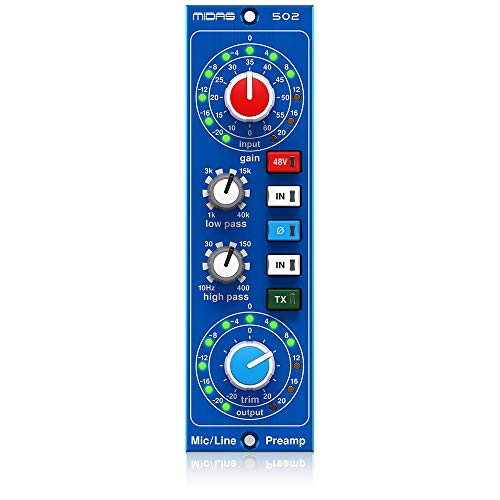
- Quad discrete ultra-low-noise input transistors
- Up to +24 dBu handling with no pad
- Swept low- and high-pass filters add control
Best For: 500 Series studios that want clean gain and built-in filtering
Clean Gain Adapter
StudioMan DPM1 Dynamic Mic Preamp

- Adds 29dB of clean gain for dynamic and ribbon mics
- Helps improve signal-to-noise by boosting at the source
- Metal build helps shield against interference and hum
Best For: Quiet dynamic mic users who want an easy inline gain boost
Inline Clean Gain
Triton Audio FetHead In-Line Preamp
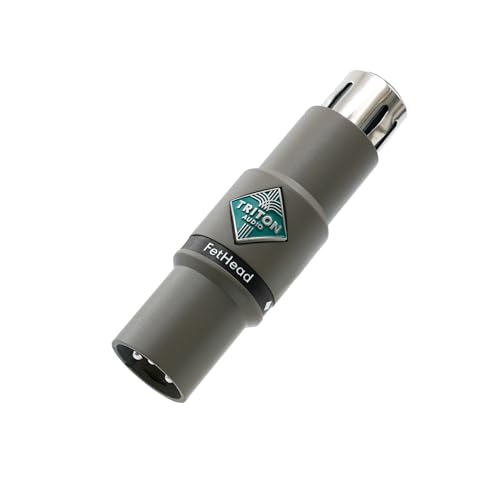
- Low-noise Class-A JFET design
- Shielded metal enclosure
- Compact inline microphone boost
Best For: Dynamic and ribbon microphones needing quiet in-line gain
Ultra-Clean Activator
Cloud Microphones Cloudlifter CL-1

- Up to +25 dB clean gain
- Keeps phantom off passive mics
- Suited for studio and broadcast use
Best For: Passive microphones that need clean extra gain
Low-Noise Desktop Booster
RO03 Mic Preamp Low-Noise Booster

- EIN rated at -120 dB
- 19 to 66 dB gain range
- Type-C powered with XLR/TRS/TS support
Best For: Budget setups needing a versatile low-noise preamp
Ultra-Clean Signal Boost

- Adds 25dB of noise-free gain
- Keeps the sound natural and clean
- Plug-and-play for simple setups
Best For: Users who need a clean inline boost for dynamic or ribbon mics
Long-Run Noise Rejection
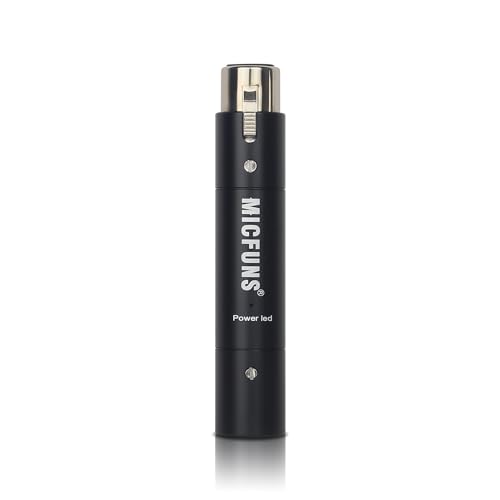
- Adds 28dB of clean gain
- Output buffer helps long cable runs
- Reduces RF noise, buzz, and hum
Best For: Recordists who need clean gain and better interference rejection
Transparent Studio Lift

- Offers +28dB of transparent gain
- Transformerless design with FET circuitry
- Gold-plated XLR and all-metal build
Best For: Users who want premium clean gain for recording or live sound
Transparent Interface Pick – Clarett+ 2Pre for Clear Recordings
If you’re shopping for transparent microphone preamps for recording, the Focusrite Clarett+ 2Pre is built around clean gain, low distortion, and strong headroom. Its two Clarett+ mic preamps, upgraded converters, and transparent headphone output make it a practical choice for capturing sources as accurately as possible.
Best For: Home and project studios that want clean vocal and instrument recording with room to expand via ADAT.
Pros:
- Two Clarett+ preamps aim for low distortion, ultra-low noise, and plenty of headroom.
- All-analogue Air mode adds a 4dB high-frequency lift for a brighter vocal sound.
- Improved headphone output is described as flat and transparent across headphone types.
- ADAT input supports digital expansion with compatible outboard gear.
Cons:
- Requires USB-C bus power, so a 15W USB-C port is needed.
- Some users may not need the added ADAT expandability.
Overall, this is a strong fit if you want an interface that prioritizes clarity over coloration while still offering useful creative tools. It’s especially appealing for recording setups that need transparent capture plus future expansion.
Inline Gain Booster – DM1 Dynamite for Dynamic Mics
For transparent microphone preamps for recording, the sE Electronics DM1 is an inline solution that adds gain before your main preamp. It’s designed for passive ribbon and dynamic microphones, giving them a 28dB boost without adding noise or coloration according to the product notes.
Best For: Passive dynamic and ribbon mic users who need more clean level from an existing preamp or interface.
Pros:
- Provides a robust 28dB of gain for low-output microphones.
- Class-A design with high-grade FETs is built for low self-noise.
- Dedicated output buffer helps drive long cable runs and reduce buzz or hum.
- All-metal housing is made for roadworthy studio and stage use.
Cons:
- Requires 48V phantom power from a preamp, mixer, or interface.
- Only works as an inline booster; it is not a standalone interface preamp.
This is a smart add-on when your interface preamp is clean but not quite loud enough for a quiet dynamic or ribbon mic. It solves gain problems at the source while keeping the signal path simple.
Rackmount Transparent Choice – Midas 502 500-Series Mic Preamp
If you want transparent microphone preamps for recording in a modular rack, the Midas 502 brings a compact 500 Series design with high-performance low-noise circuitry. It also adds Midas XL4 swept high-pass and low-pass filters, making it useful when you want clean gain with simple tone-shaping control.
Best For: 500 Series rack users who want a compact mic/line preamp with flexible filtering.
Pros:
- Compact 500 Series preamp with quad discrete ultra-low-noise input transistors.
- Handles up to +24 dBu signal levels with no pad, per the product notes.
- Classic Midas XL4 swept low-pass and high-pass filters add useful shaping.
- Switchable twin aux balanced output supports splitter-style flexibility in compatible racks.
Cons:
- Requires a 500 Series rack, so it is not a standalone interface preamp.
- Not the simplest choice for portable, bus-powered recording.
The 502 makes the most sense in a modular studio where rack integration matters as much as clean gain. It’s a solid option if you want transparent amplification plus onboard filtering in a compact format.
Clean Gain Adapter – StudioMan DPM1 Dynamic Mic Preamp
For transparent microphone preamps for recording, the StudioMan DPM1 is aimed at low-output dynamic and ribbon microphones that need a clean level boost before hitting your interface. It adds 29dB of gain and is positioned as a simple way to reduce hiss and avoid cranking a noisy preamp.
Best For: Podcasters, streamers, and studio users with quiet dynamic or ribbon mics who need more clean gain.
Pros:
- Provides +29dB of clean, transparent gain for dynamic and ribbon mics.
- Helps improve signal-to-noise by boosting the signal at the source.
- Metal casing is designed to reduce interference and hum.
- Plug-and-play XLR layout keeps setup simple with compatible interfaces and mixers.
Cons:
- Requires 48V phantom power to operate.
- Not for condenser microphones, according to the notes.
- Power does not pass through to the microphone.
This is a straightforward gain-boosting accessory rather than a full preamp solution, but that’s exactly what many quiet dynamic mics need. If your goal is cleaner level without replacing your whole interface, it’s an easy fix.
Inline Clean Gain – Triton Audio FetHead In-Line Preamp
If you need transparent microphone preamps for recording, the Triton Audio FetHead is built for adding clean gain right at the mic chain. Its low-noise Class-A JFET design, shielded metal enclosure, and compact inline format make it a practical choice when you want more level without adding obvious color.
Best For: Dynamic and ribbon mics that need a quiet in-line gain boost for studio or home recording.
Pros:
- Low-noise Class-A JFET amplification for clean boosting
- Shielded metal enclosure helps reduce interference
- Compact inline design is easy to place in the signal chain
- Uses matched JFETs for consistent performance
Cons:
- Designed as a 2-channel inline unit rather than a full desktop preamp
- Specific gain figures are not listed in the supplied notes
For buyers focused on simple, transparent gain staging, this is a straightforward in-line option. It is best viewed as a low-noise helper for microphones that need a cleaner signal before reaching the interface.
Ultra-Clean Activator – Cloud Microphones Cloudlifter CL-1
The Cloud Microphones Cloudlifter CL-1 is a classic pick if you want transparent microphone preamps for recording with minimal fuss. It uses phantom power to add up to +25 dB to passive mics while keeping phantom power off the microphone, which makes it a strong fit for quieter sources that need clarity and level.
Best For: Home studios, podcasts, live streaming, and recording passive mics that need clean extra gain.
Pros:
- Adds up to +25 dB of gain using phantom power
- Designed to maintain the natural sound of the microphone
- Compatible with passive ribbons and other passive mics
- Built for studio, broadcast, podcast, and live use
Cons:
- Requires standard microphone phantom power to operate
- Only a 1-channel unit
This is a strong utility piece when your main goal is more usable level without changing the character of the mic. It is especially appealing if you want a clean signal boost for voice or instrument recording in a simple setup.
Low-Noise Desktop Booster – RO03 Mic Preamp Low-Noise Booster
If you are shopping for transparent microphone preamps for recording on a budget, the RO03 Mic Preamp emphasizes low-noise operation and flexible connectivity. The updated version claims an EIN of -120 dB, offers 19 to 66 dB of gain, and supports XLR/TRS/TS connections with Type-C power for more portable use.
Best For: Budget-conscious recording setups that need a versatile, low-noise preamp for vocals, instruments, or streaming.
Pros:
- Updated EIN rating of -120 dB for very low-noise operation
- Gain range of 19 to 66 dB is tuned for real-world use
- 1 MΩ instrument input improves DI-style performance
- XLR/TRS/TS connectivity and Type-C power add flexibility
Cons:
- Two input ports cannot be used at the same time
- Noise performance depends on using the recommended TRS line input connection
This model stands out for users who want a more flexible utility preamp rather than a simple inline booster. The supplied notes point to strong noise control and practical gain settings, but setup choice matters if you want the cleanest result.
Ultra-Clean Signal Boost – OFCOSH 25dB Mic Booster
For transparent microphone preamps for recording, this in-line mic booster is built to add gain without changing the character of the source. It delivers 25dB of noise-free boost for quiet vocals, percussion, and acoustic instruments, making it a practical fit when you need more level from a dynamic or ribbon mic while keeping the signal natural and clean.
Best For: Podcasters, streamers, and studio users who need a simple inline gain boost for low-output dynamic or ribbon mics.
Pros:
- Provides 25dB of clean, noise-free gain for low-output microphones.
- Designed to preserve a natural, uncluttered sound for studio recording.
- Plug-and-play setup keeps it simple for recording or live streaming.
- Safe for passive ribbon microphones and avoids phantom power transfer to the mic.
Cons:
- 48V phantom power is needed from your setup, but it is not included.
- Best suited to passive dynamic and ribbon mics rather than all mic types.
This is a straightforward solution if your main goal is more usable gain without extra coloration. It focuses on clarity and compatibility, so it works well as a utility piece in a recording chain rather than a tone-shaping preamp.
Long-Run Noise Rejection – M1 28dB Inline Preamp
If you are comparing transparent microphone preamps for recording, the M1 is aimed at boosting passive mic output while staying out of the way sonically. It adds 28dB of gain without noise or coloration, and its output buffer is meant to help drive long cable runs while reducing RF interference, buzz, and hum.
Best For: Recording setups that need clean inline gain plus better cable-run stability for dynamic or passive ribbon microphones.
Pros:
- Delivers 28dB of gain for passive dynamic or ribbon microphones.
- Uses an output buffer to help with long cable runs.
- Metal housing is designed for better rejection of electrical interference.
- Helps reduce RF interference, buzz, and hum in the signal path.
Cons:
- Requires 48V phantom power from a preamp, mixer, or audio interface.
- Not a standalone preamp for setups without phantom power available.
The M1 is a good fit when you want extra gain and a cleaner connection path at the same time. Its emphasis on noise rejection makes it especially useful in practical studio or stage recording chains.
Transparent Studio Lift – sE DM1 Dynamite Inline Preamp
For transparent microphone preamps for recording, the sE DM1 Dynamite is built around clean, natural gain for dynamic and passive ribbon microphones. It provides +28dB of transparent boost, uses a transformerless design with high-grade FET circuitry, and is intended to keep the signal pristine with minimal noise or coloration.
Best For: Podcasters, studio recordists, and live sound users who want a premium inline gain boost with a very clean signal path.
Pros:
- Delivers +28dB of clean, transparent gain for low-output mics.
- Transformerless, high-grade FET design supports pristine sound.
- Gold-plated XLR connectors help maintain a reliable connection.
- All-metal housing is built for durability in studio or stage use.
Cons:
- Requires 48V phantom power from the connected preamp or interface.
- Primarily designed for dynamic and passive ribbon microphones.
This is the most refined option in the group if your priority is transparent gain with strong build quality. It stays focused on clarity and signal integrity, which makes it a strong choice for demanding recording setups.
How We Picked the Best Transparent Microphone Preamps for Recording
Our picks prioritize low noise, enough clean gain for gain-hungry microphones, and simple integration with common recording setups. For Transparent Microphone Preamps for Recording, the goal is not to “warm up” the sound; it is to preserve detail while lifting the signal to a healthy level.
We also considered build quality, phantom power requirements, inline versus interface-based designs, and whether the unit suits dynamic, ribbon, or condenser microphones.
Quick Comparison
Inline boosters are usually the simplest choice if your mic sounds thin or too quiet and your interface needs help. Interface preamps make more sense if you need a full recording front end with conversion and monitoring built in. Modular and rack-style options are better for users who already have a rack or 500-series workflow.
Key Buying Factors for Transparent Microphone Preamps for Recording
Gain and Noise
Look for enough clean gain to avoid cranking your interface preamp into audible hiss. Lower equivalent input noise and stable gain performance matter most when recording speech, vocals, or quiet acoustic sources.
Mic Type Compatibility
Dynamic and passive ribbon microphones often benefit the most from an inline gain stage. Condenser microphones usually need less help, so make sure the unit supports your exact use case before buying.
Phantom Power Needs
Some inline boosters require 48V phantom power from the mixer or interface to operate, while others are designed for broader compatibility. Check this carefully if you use portable recorders or older gear.
Form Factor and Workflow
Compact inline units save space and keep setups simple, while interface-based products offer more flexibility for multi-input recording. Choose the format that best fits your desk, rack, or travel workflow.
Who Should Buy Which Transparent Microphone Preamps for Recording?
Podcasters and streamers usually want a plug-and-play inline booster that makes quiet mics easier to drive. Musicians recording vocals or instruments may prefer an interface with strong preamps for a more complete front end. Engineers and serious studio users who already own outboard gear may lean toward modular or 500-series options for maximum control.
If your main goal is clean, reliable level without tonal character, Transparent Microphone Preamps for Recording are the right category to focus on. Match the gain, power requirements, and connection type to your microphone and interface, and you will avoid most common setup problems.