Finding the right desktop guitar effects processor means balancing sound quality, editing flexibility, portability, and price. The best choice can simplify practice, expand a compact rig, or provide convincing amp and cabinet tones for recording.
We selected 10 options spanning compact headphone units, feature-rich multi-effects processors, expression-pedal models, and USB-equipped tools so you can match the hardware to your playing setup and workflow.
Best 10 Desktop Guitar Effects Processors Picks for 2026
Best Desktop Studio Pick

- GT-100 Version 2.0-derived amps and effects
- USB audio/MIDI and XLR mic input
- Compact interface for studio or mobile rigs
Best For: Home recording and flexible desktop practice
Best Battery-Powered Feature Set

- 240 effects with amp modeling and IR support
- Up to six hours from a 2000 mAh battery
- Looper, drums, Bluetooth, and USB-C connectivity
Best For: Mobile practice, busking, and portable recording
Best Hands-On Live Control
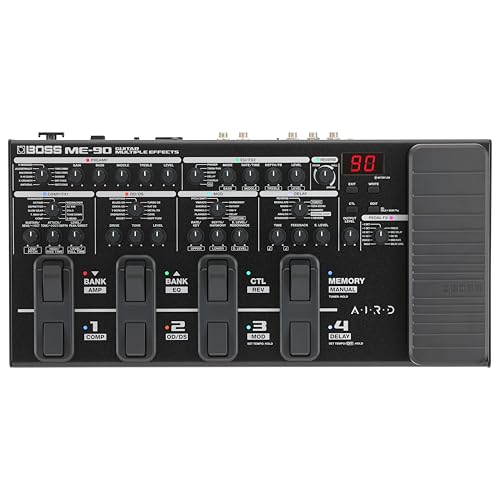
- 60 effects and 11 AIRD amp models
- Eight footswitches plus expression pedal
- Effects loop, IR loading, and user patch memory
Best For: Performers who want immediate stompbox-style control
Best Compact Practice Unit

- Pocket-sized processor with 39 effect types
- 99 factory and 99 user presets
- Drum patterns, metronomes, tuner, and tap tempo
Best For: Portable headphone practice and simple preset recall
Best Budget Practice Hub
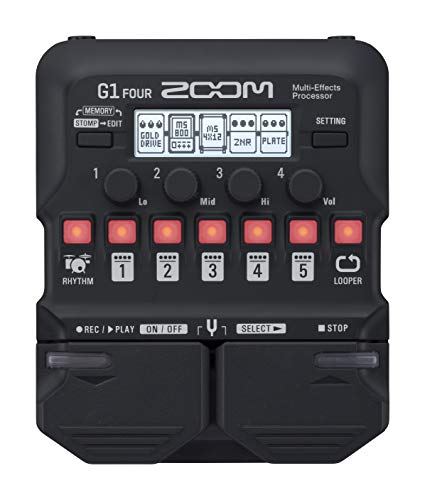
- 65 effects and 13 amp models
- 30-second looper with 68 rhythm patterns
- Battery-powered with aux and headphone support
Best For: Portable practice and affordable tone exploration
Best Feature-Rich Control

- 200 presets, 170 effects, and 55 amp models
- Four footswitches plus expression pedal
- 80-second looper and USB-C OTG recording
Best For: Advanced tone shaping and flexible live or recording setups
Best With Expression Control

- 71 effects and 13 amp models
- Integrated expression pedal
- Battery-powered with looper and rhythm patterns
Best For: Portable practice with dynamic pedal control
Most Versatile Portable Option
LEKATO PA-4 Desktop Multi-Effects Processor

- Six modules, 20 amp models, and third-party IR support
- Bluetooth backing tracks and OTG recording with loopback
- 145g design with approximately nine-hour battery life
Best For: Mobile practice, recording, and app-based tone editing
Best Clip-On Design
ANN SK17 Portable Guitar Effects Processor

- ANN amp modeling with 80 customizable presets
- USB OTG recording, loopback, Bluetooth, and headphone output
- 120g body with built-in clip and mounting hardware
Best For: Travel, busking, and compact silent practice
Best for Live Performance
Valeton GP-200 Multi-Effects Processor

- 240+ effects, 140+ amp/cab models, and 256 patch slots
- Built-in expression pedal, looper, drum machine, and tuner
- 6-in/4-out USB-C audio with loopback and re-amping
Best For: Stage rigs, rehearsals, and advanced home recording
Best Desktop Studio Pick – BOSS GT-001
The BOSS GT-001 is a strong choice among desktop guitar effects processors for home studios, practice spaces, and mobile rigs. It combines GT-100 Version 2.0-derived amps and effects with a compact interface, USB audio/MIDI, and an XLR microphone input.
Best For: Home recording, practice, and musicians who also need vocal or acoustic-instrument connectivity.
Pros:
- Compact desktop design with intuitive knobs and dedicated favorite-tone buttons
- Includes modulation, distortion, delay, reverb, and flagship-derived amp sounds
- USB audio/MIDI interface supports direct DAW connection
- XLR mic input and 1/8-inch stereo input add recording flexibility
Cons:
- Designed primarily for desktop use rather than foot-controlled live performance
- Requires corded power
The GT-001 stands out for straightforward studio integration and its useful combination of guitar, microphone, and stereo-device inputs. Choose it if recording convenience matters more than an integrated footswitch layout.
Best Battery-Powered Feature Set – MOOER GE100 Pro Li
The MOOER GE100 Pro Li brings an expansive feature set to desktop guitar effects processors, with 240 effect types, AI-assisted tone creation, amp modeling, IR support, and rechargeable battery power. Its color display, Bluetooth, and USB Type-C connectivity also suit mobile recording and practice.
Best For: Mobile players, outdoor practice, busking, and users who want extensive editing and sound-library support.
Pros:
- 2000 mAh battery provides up to six hours of use
- Includes 240 effects, NAM/MNRS loading, and third-party IR support
- Built-in 80-second stereo looper, drum rhythms, metronome patterns, and expression pedal
- Supports MOOER Cloud, desktop software, mobile editing, Bluetooth audio, and USB-C
Cons:
- Its broad feature set may take longer to learn
- Battery life is limited to up to six hours per charge
The GE100 Pro Li is the most travel-oriented option here, pairing deep tone expansion with practice and looping tools. It is especially appealing when rechargeable operation and mobile connectivity are priorities.
Best Hands-On Live Control – BOSS ME-90
BOSS ME-90 Guitar Multi-Effects Guitar Processor | All-In-One Guitar Processor
Check Price On AmazonThe BOSS ME-90 is a versatile pick among desktop guitar effects processors for players who want immediate, stompbox-style control. It offers 60 effects, 11 AIRD amp models, IR loading, an effects loop, eight multifunction footswitches, and an expression pedal.
Best For: Performing guitarists who need quick patch changes and hands-on tone shaping.
Pros:
- Eight multifunction footswitches and expression pedal support live operation
- Provides 60 effects, 11 AIRD amp models, and IR loading
- Includes an effects loop and 36 preset plus 36 user patches
- Uses 24-bit AD/DA and 32-bit floating-point processing
Cons:
- Its larger footprint is less desktop-friendly than the GT-001
- Optional Bluetooth audio/MIDI adaptor is required for wireless mobile connectivity
The ME-90 favors physical control over the smallest possible desktop footprint. It makes sense for players moving between practice and performance who want fast adjustments without relying entirely on software.
Best Compact Practice Unit – MOOER PE100
The MOOER PE100 is a pocket-friendly option among desktop guitar effects processors, combining amp models, 39 effect types, drum patterns, metronomes, and a tuner. Its quick-recall buttons and headphone-oriented practice features make it easy to use at home or on the go.
Best For: Portable guitar practice, headphone sessions, and players who want simple preset recall.
Pros:
- Very compact design that fits easily in a pocket or small workspace
- Offers 99 factory presets and 99 user presets
- Includes 40 drum patterns, 10 metronomes, and tap tempo
- Can run from a DC adapter or battery
Cons:
- More limited than larger processors with 39 effect types and six effect blocks
- Uses push-button and touch-panel operation rather than footswitch control
- Connectivity is limited to 1/4-inch and 1/8-inch audio connections
The PE100 prioritizes portability and practice utility over advanced recording connectivity. It is a practical fit for guitarists who need a small, straightforward unit with rhythm tools and quick access to favorite sounds.
Best Budget Practice Hub – Zoom G1 Four
The Zoom G1 Four is a compact, battery-powered choice for guitarists who want desktop guitar effects processors with plenty of sounds, built-in practice tools, and straightforward connections. Its 65 effects, 13 amp models, looper, rhythm patterns, tuner, and Guitar Lab software make it versatile for home practice and basic tone experimentation.
Best For: Guitarists seeking an affordable, portable multi-effects unit for practice, looping, and exploring amp-modeling tones.
Pros:
- Includes 65 built-in effects and 13 amp models.
- Offers a 30-second looper and 68 rhythm patterns.
- Battery-powered design supports portable practice.
- Aux input and amp/headphone output enable flexible monitoring.
Cons:
- Does not include an expression pedal.
- Its looper is shorter than the 80-second looper on the MOOER model.
The G1 Four is a practical entry point for players who value portability and built-in practice features over extensive foot control. Guitar Lab adds a convenient Mac/Windows editing option for developing and organizing tones.
Best Feature-Rich Control – MOOER GE150 Pro
The MOOER GE150 Pro is a strong option among desktop guitar effects processors for players who want deep preset management, extensive modeling, and hands-on control. It combines 200 presets, 170 effects, 55 amp models, cabinet simulations, IR support, four footswitches, an expression pedal, looping, drums, and USB-C recording features.
Best For: Guitarists who need broad sound design, flexible live switching, expression control, and computer or phone recording connectivity.
Pros:
- Provides 200 factory presets, 170 effects, 55 amp models, and 26 cabinet simulations.
- Supports MNRS amp and cab sample files with 20 slots in each relevant module.
- Four multi-purpose footswitches and an expression pedal improve live control.
- Includes an 80-second stereo looper, 40 drum rhythms, and USB-C OTG recording.
Cons:
- The standard model is corded rather than battery-powered.
- Its broad feature set may require more setup time than simpler units.
- The supplied dimensions are relatively large for a compact multi-effects pedal.
The GE150 Pro is the most capable choice here for players who want a wide editing and performance toolkit. Its connections, sample support, and control layout make it especially suitable for more involved practice, recording, and live setups.
Best With Expression Control – Zoom G1X Four
The Zoom G1X Four adds an expression pedal to the compact Zoom format, making it a useful pick among desktop guitar effects processors for players who want hands-on parameter or volume control. It includes 71 effects, 13 amp models, a looper, rhythm patterns, aux connectivity, and battery-powered operation.
Best For: Guitarists who want portable practice features and an integrated expression pedal for more dynamic control.
Pros:
- Includes 71 effects and 13 amp models.
- Built-in expression pedal adds real-time control.
- 30-second looper and 68 rhythm patterns support practice and songwriting.
- Battery power, aux input, and amp/headphone monitoring suit flexible use.
Cons:
- Has a 30-second looper rather than the longer looper in the MOOER GE150 Pro.
- Its compact control setup offers fewer footswitches than the MOOER model.
The G1X Four is a practical upgrade over a basic compact multi-effects unit when expression control matters. It balances a broad effects collection with portable operation and useful rhythm and looping tools.
Most Versatile Portable Option – LEKATO PA-4 Desktop Multi-Effects Processor
For players seeking desktop guitar effects processors with flexible editing and portable practice features, the LEKATO PA-4 combines six effect modules, amp modeling, cabinet IR support, and 80 presets in a compact battery-powered unit. Its app control, Bluetooth audio, and OTG recording make it especially adaptable for practice and content creation.
Best For: Mobile practice, silent playing, recording videos, and players who want app-based tone customization.
Pros:
- Includes 20 amp simulations, 20 cabinet IRs, and support for third-party IR and amp files.
- Offers 80 preset slots with customizable signal-chain ordering through the app.
- Supports Bluetooth backing tracks, headphone practice, and OTG recording with loopback mixing.
- Weighs 145 grams and provides approximately nine hours of battery life.
Cons:
- OTG recording requires a separate adapter.
- Its touch-control design may appeal less to players who prefer traditional footswitches.
The PA-4 is a strong choice when portability and connectivity matter as much as tone variety. It is particularly practical for guitarists who want a lightweight practice-and-recording setup rather than a conventional stage pedalboard.
Best Clip-On Design – ANN SK17 Portable Guitar Effects Processor
The SK17 is one of the most compact desktop guitar effects processors for players who want amp-style modeling, preset control, and recording in a pocket-sized format. Its ANN modeling, color screen, app support, and built-in mounting options make it convenient for practice, travel, and portable performance.
Best For: Traveling guitarists, street performers, and players who want a clip-on processor with integrated recording and headphone practice.
Pros:
- ANN modeling is designed to provide responsive clean and high-gain tones.
- Provides six modules, 40 effect types, and 80 presets with reorderable signal paths.
- Includes 44.1 kHz/24-bit USB OTG recording, loopback, Bluetooth input, and a headphone output.
- Built-in clamp and mounting hardware support belt, strap, or instrument attachment.
Cons:
- Battery life is rated at up to seven hours, shorter than some portable alternatives.
- The compact 1.54-inch screen may provide less editing space than larger processors.
With a 120-gram body and multiple mounting options, the SK17 prioritizes mobility without omitting core practice and recording tools. It is a practical fit for musicians who want their effects unit close at hand during travel or informal performances.
Best for Live Performance – Valeton GP-200 Multi-Effects Processor
For musicians comparing desktop guitar effects processors for stage use, the Valeton GP-200 offers a more expansive control surface and performance-oriented feature set. It combines over 240 effects, extensive amp and cabinet modeling, an expression pedal, looper, drum machine, and flexible USB audio connectivity.
Best For: Live performers and home-studio users who need broad effects coverage, foot control, and advanced routing.
Pros:
- Includes over 240 effects, more than 140 amp and cabinet models, and up to 11 simultaneous modules.
- Offers 256 patch slots, 20 user cabinet IRs, a 180-second looper, and 100 drum patterns.
- Features a built-in expression pedal, customizable footswitch layout, and 4.3-inch color display.
- USB-C supports a 6-in/4-out audio interface with loopback and re-amping on multiple platforms.
Cons:
- At 2.37 kg, it is substantially less portable than the battery-powered processors in this roundup.
- It requires corded power rather than operating from an internal battery.
The GP-200 is the most performance-focused option here, trading pocket portability for deeper control, more patches, and stage-ready foot operation. Its included gig bag also makes transport easier for rehearsals and performances.
How We Picked the Best Desktop Guitar Effects Processors
We compared these units by looking at their effects libraries, amp and cabinet modeling, preset capacity, editing controls, connectivity, portability, and practical use cases. We also considered whether each processor supports headphones, USB recording, impulse responses, expression control, looping, or other features that can make a noticeable difference in daily use.
Because “best” depends on your setup, the lineup includes both simple practice-focused devices and advanced processors suitable for rehearsal, performance, and home recording.
Quick Comparison
| What to prioritize | Best suited to |
|---|---|
| Compact size and headphone practice | Players with limited space or quiet-practice needs |
| Many effects and presets | Guitarists who want broad tonal variety |
| Amp modeling and IR loading | Recording, direct-to-PA setups, and modern rigs |
| Expression pedal control | Players who adjust volume, wah, or parameters while playing |
| USB audio and editing | Home musicians integrating guitar with a computer |
Key Buying Factors for Desktop Guitar Effects Processors
Effects, Amp Models, and Signal-Chain Flexibility
Check whether the processor includes the effects you actually use, such as overdrive, distortion, modulation, delay, reverb, compression, and noise reduction. More effects are useful only when the unit lets you arrange or edit them easily. Amp models and cabinet simulations matter most when you plan to connect directly to headphones, monitors, a mixer, or an audio interface.
Presets and Hands-On Control
A large preset count can be helpful, but clear navigation is more important during practice or performance. Footswitches, tap tempo, dedicated controls, and assignable parameters make a processor faster to operate. An integrated expression pedal is valuable for wah, volume swells, pitch effects, and real-time effect changes.
Connections and Recording Features
Look for the outputs your rig requires, including headphone, line, amplifier, MIDI, or USB connections. USB audio can reduce setup complexity for recording and re-amping, while an effects loop may be important if you want to combine the processor with external pedals or an amplifier.
Portability, Power, and Usability
Small units are convenient for desks, travel, and silent practice, while larger floor-style processors generally provide more switches and control. Confirm the power method, especially if you need battery operation. Also consider display readability, tuner quality, patch-loading speed, and whether editing software is available.
Who Should Buy Which Desktop Guitar Effects Processors?
Choose a compact headphone-oriented model if your priority is private practice, portability, and quick access to basic tones. A budget multi-effects unit is a sensible choice for beginners who want to explore different sounds without assembling a pedalboard.
Players seeking deeper tone shaping should focus on processors with extensive amp modeling, cabinet options, impulse-response loading, and USB connectivity. These features are especially useful for direct recording and monitor-based rigs. If you perform live, prioritize sturdy footswitches, fast preset changes, tap tempo, and expression control.
Finally, consider your long-term workflow. A simple processor may be easier to enjoy immediately, while a more advanced desktop guitar effects processor can provide greater room to grow as your recording, rehearsal, and performance needs develop.