Choosing the right mic can make an acoustic guitar sound open, detailed, and natural—or thin and boxy. The best studio microphones for acoustic guitar depend on your room, playing style, and how much detail you want to capture.
In this roundup, we focused on microphones that offer the right mix of clarity, noise control, and recording flexibility for home studios and pro setups alike.
Best 10 Studio Microphones for Acoustic Guitar Picks for 2026
Studio Detail Condenser
Shure SM81-LC Cardioid Condenser Instrument Microphone

- Flat response for accurate acoustic guitar capture
- Cardioid pattern helps reject off-axis sound
- Includes windscreen, lock, adapter, and case
Best For: Clean, accurate acoustic guitar recording in the studio
Reliable Small-Diaphragm Choice
AKG Perception 170 Professional Instrumental Microphone

- Clear detail and transient response for instruments
- Cardioid pattern suits focused acoustic guitar recording
- Attenuation pad handles louder sources up to 155 dB SPL
Best For: Simple, dependable acoustic instrument recording
Stereo Pencil Kit
LyxPro SDPC-2 Stereo Pair Small Diaphragm Condensers

- Two matched-style mics for stereo recording
- Three capsules: omni, cardioid, super cardioid
- Includes case, clips, and windscreens
Best For: Versatile home-studio acoustic guitar and stereo instrument recording
Live Amp Specialist
Sennheiser e 609 Silver Super-Cardioid Instrument Microphone

- Super-cardioid pattern for tight source isolation
- Designed for guitar amps and drums
- Rugged metal build for stage or studio
Best For: Amplified guitar and tight instrument miking
Studio-Ready Large-Diaphragm Condenser

- True condenser for studio-grade sound
- Cardioid pickup helps focus on the guitar
- Includes shock mount and aluminum case
Best For: Acoustic guitar recording in a home or project studio
Rugged Dynamic Workhorse
Pyle Dynamic Mic for Studio and Stage

- Cardioid dynamic mic with focused pickup
- No power or batteries required
- Includes 15-foot XLR cable
Best For: Budget users wanting a rugged mic for acoustic guitar and stage use
Project Studio Condenser Standard
Audio-Technica AT2020 for Acoustic Guitar
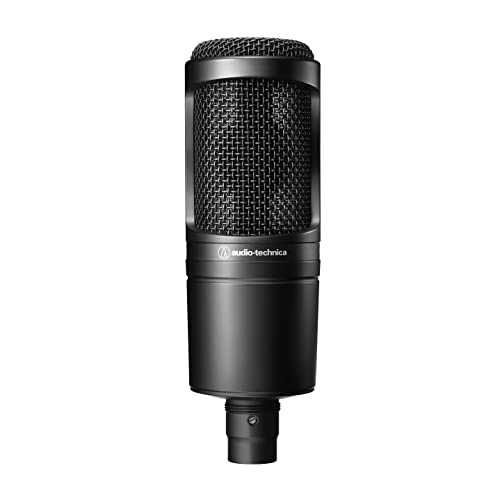
- Cardioid condenser with focused isolation
- Low-mass diaphragm supports detail and transients
- Handles high SPL and wide dynamic range
Best For: Home and project-studio acoustic guitar recording
Live Amp Focus
Superlux PRA628MKII Professional Dynamic Instrument Microphone

- Super-cardioid pattern for focused pickup
- Rated to handle up to 150 dB SPL
- Includes clamp and pouch
Best For: Close-miking loud guitar amps and other high-output instruments
Quiet Studio Detail
RØDE NT1 Signature Series Large-Diaphragm Condenser Microphone
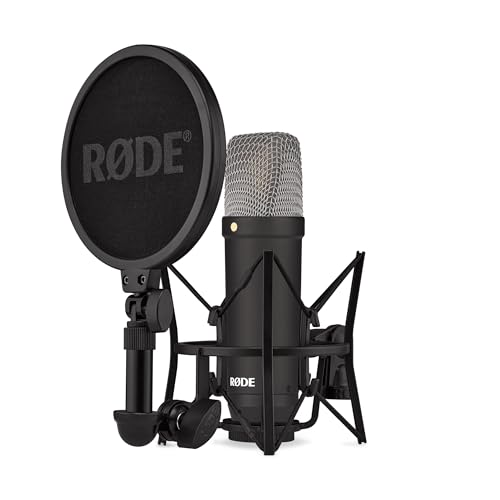
- 4 dBA self-noise for very quiet recordings
- Cardioid condenser with high sensitivity
- Includes shock mount, pop filter, and XLR cable
Best For: Acoustic guitar, vocals, and clean studio recording
Stage Studio Classic
Shure SM57 Pro XLR Dynamic Instrument Microphone

- Contoured response for attack and clarity
- Cardioid pattern reduces background bleed
- Legendary rugged construction
Best For: General instrument miking and durable close-capture setups
Studio Detail Condenser – Shure SM81-LC Cardioid Condenser Instrument Microphone
If you’re shopping for studio microphones for acoustic guitar, the Shure SM81-LC is a strong pick when you want a flat, accurate capture rather than added color. Its 20 Hz to 20 kHz response, low noise, and cardioid pattern make it a practical choice for detailed acoustic recording in a controlled setup.
Best For: Players and engineers who want a rugged small-diaphragm condenser for clean acoustic guitar tracking.
Pros:
- Flat response curve helps reproduce acoustic guitar with accuracy.
- Cardioid pattern offers strong off-axis rejection.
- Low noise and high output clipping level support clean recordings.
- Includes swivel adapter, windscreen, attenuator lock, and case.
Cons:
- Requires phantom power to operate.
- Needs a balanced XLR or XLR-to-TRS cable.
- Less suited to users who want a colored or character-heavy sound.
Overall, the SM81-LC is the kind of mic you reach for when accuracy matters most. It is a durable, studio-ready instrument mic that fits acoustic guitar recording especially well when you want detail and consistency.
Reliable Small-Diaphragm Choice – AKG Perception 170 Professional Instrumental Microphone
The AKG Perception 170 is a practical option for studio microphones for acoustic guitar when you want a compact condenser with clear transient response. Its cardioid pattern, 20 Hz to 20 kHz bandwidth, and switchable attenuation pad make it suitable for detailed instrument recording and louder sources alike.
Best For: Budget-conscious recording setups that need a dependable small-diaphragm mic for acoustic instruments.
Pros:
- Small-diaphragm condenser design supports clear detail and transient response.
- Cardioid pattern is well suited to focused acoustic guitar capture.
- Switchable attenuation pad handles high SPL sources up to 155 dB SPL.
- Rugged all-metal body adds durability for studio or live use.
Cons:
- Requires an XLR setup with phantom power from your recording chain.
- Ships as a single microphone, not a stereo pair.
- Less flexible than multi-capsule options if you want different pickup patterns.
In practice, the P170 is a straightforward mic that focuses on utility and consistency. For acoustic guitar recording, it gives you the detail expected from a pencil condenser without adding extra complexity.
Stereo Pencil Kit – LyxPro SDPC-2 Stereo Pair Small Diaphragm Condensers
If you want studio microphones for acoustic guitar with more flexibility, the LyxPro SDPC-2 stereo pair gives you two matched-style pencil condensers and three interchangeable capsules. That makes it a useful kit for guitar, room tone, and other instruments where you may want to switch between tighter focus and a more open capture.
Best For: Home studios and musicians who want a versatile stereo mic kit for acoustic guitar and other instruments.
Pros:
- Includes two matched-style microphones for stereo recording.
- Three capsule options: omni, cardioid, and super cardioid.
- Suited to acoustic guitar, piano, drums, strings, and room ambience.
- Comes with windscreens, tilting clips, and a carrying case.
Cons:
- Requires phantom power and compatible XLR gear.
- More features than a simple single-mic setup if you only need one source.
- Best results depend on choosing the right capsule and placement.
The SDPC-2 stands out because it is built for flexibility rather than one fixed sound. For acoustic guitar, that can be a real advantage if you want to experiment with stereo recording or different pickup patterns in the same session.
Live Amp Specialist – Sennheiser e 609 Silver Super-Cardioid Instrument Microphone
Sennheiser Professional e 609 Silver Super-Cardioid Instrument Microphone,Wired, Wireless
Check Price On AmazonThe Sennheiser e 609 Silver is not a typical acoustic guitar mic, but it can still be useful in a roundup of studio microphones for acoustic guitar when your setup includes amp-driven or amplified instrument tones. Its super-cardioid pattern and wide 40 Hz to 18 kHz response are aimed at focused instrument miking, especially guitar amps and drums.
Best For: Guitar amp and instrument miking where tight rejection and rugged construction matter most.
Pros:
- Super-cardioid pattern helps isolate the source.
- Designed for instrument miking, particularly guitar amps and drums.
- Wide 40 Hz to 18 kHz frequency response.
- Rugged metal construction for live or studio use.
Cons:
- Dynamic amp mic, so it is less directly suited to standard acoustic guitar recording than a condenser.
- Not built around stereo capture or interchangeable capsules.
- Best fit is more specific than the other options in this list.
As a recording tool, the e 609 Silver is best viewed as a specialist rather than a general-purpose acoustic guitar microphone. If you need tight pickup for amplified guitar sources, it is a proven and practical option.
Studio-Ready Large-Diaphragm Condenser – AKG P220 for Acoustic Detail
If you’re comparing studio microphones for acoustic guitar, the AKG P220 is built for clean, detailed capture in a home or project studio. Its large-diaphragm true condenser design is aimed at studio-grade sound, and the cardioid pickup helps focus on the source while the included shock mount supports a steadier recording setup.
Best For: Recording acoustic guitar when you want a condenser mic with a focused pickup pattern and studio-oriented accessories.
Pros:
- True condenser design for studio-grade sound on acoustic instruments
- Unidirectional polar pattern helps isolate the guitar from room noise
- Switchable 300 Hz bass cut and -20 dB pad add flexibility
- Includes a spider-type shock mount and aluminum carrying case
Cons:
- Requires phantom power
- XLR wired setup is less convenient than plug-and-play options
- More of a studio-focused choice than a simple live mic
The P220 makes sense if you want a durable condenser that can handle acoustic sessions and other recording duties. It is a practical pick for players who want a fuller studio microphone package without adding extra accessories separately.
Rugged Dynamic Workhorse – Pyle Dynamic Mic for Studio and Stage
For buyers looking at studio microphones for acoustic guitar, the Pyle dynamic cardioid mic is a straightforward, durable option with a focused pickup pattern. It is designed to reduce background noise and feedback, and the included 15-foot XLR cable makes it easy to plug in and start recording or monitoring.
Best For: Budget-minded users who want a rugged dynamic mic for acoustic guitar, vocals, or general studio and stage use.
Pros:
- Unidirectional cardioid pattern helps isolate the source
- Dynamic design requires no power or batteries
- All-metal zinc alloy construction feels rugged and reliable
- Built-in pop filter and windscreen help control breath noise
Cons:
- 50 Hz to 15 kHz range is narrower than many condensers
- Dynamic design is less detailed than a condenser for acoustic guitar
- Heavier than some basic handheld mics
This mic is best when durability and simplicity matter more than maximum acoustic detail. If you want an easy-to-run microphone for practice, tracking, or live-style recording, the Pyle keeps the setup simple.
Project Studio Condenser Standard – Audio-Technica AT2020 for Acoustic Guitar
The Audio-Technica AT2020 is a classic choice if you’re shopping studio microphones for acoustic guitar and want a reliable condenser for home or project recording. Its cardioid pattern helps reduce side and rear pickup, while the low-mass diaphragm is designed for extended frequency response and solid transient detail.
Best For: Project and home-studio acoustic guitar recording where clarity, isolation, and value matter.
Pros:
- Cardioid pattern reduces unwanted side and rear sound
- Low-mass diaphragm supports extended response and transient detail
- Handles high SPLs and wide dynamic range
- XLR output fits standard studio interfaces and recording setups
Cons:
- Requires 48V phantom power
- No included shock mount or carry case in the supplied notes
- Better suited to studio use than simple portable setups
As a project-studio condenser, the AT2020 is a practical all-around mic for acoustic guitar tracking. It offers the kind of focused, detailed capture many players want without drifting into overly specialized territory.
Live Amp Focus – Superlux PRA628MKII Professional Dynamic Instrument Microphone
If you need studio microphones for acoustic guitar but mainly capture louder sources, the Superlux PRA628MKII is built more like a close-miking tool for amps and other high-SPL instruments. Its super-cardioid pickup helps narrow the focus, while the 80Hz–18kHz response is tuned to keep guitar tones clear and detailed in controlled recording or live setups.
Best For: Close-miking guitar amps, bass cabs, toms, and other loud instruments where rejection and durability matter most.
Pros:
- Super-cardioid pattern helps reject background noise and reduce feedback.
- Handles up to 150 dB SPL without distortion.
- Compact design makes close placement easy near speaker cones.
- Includes a clamp and pouch for practical transport and setup.
Cons:
- XLR cable is not included.
- Optimized for guitar amplifiers, not specifically for acoustic guitar detail.
- Best results come from close-mic placement rather than room pickup.
This is a dependable stage-and-studio dynamic mic for loud sources, but it is not the most natural choice if your main goal is capturing the full body of an acoustic guitar. It makes sense when isolation, ruggedness, and amp-focused tone take priority.
Quiet Studio Detail – RØDE NT1 Signature Series Large-Diaphragm Condenser Microphone
When comparing studio microphones for acoustic guitar, the RØDE NT1 Signature Series stands out for quiet, detailed studio capture. Its large-diaphragm cardioid condenser design, very low 4 dBA self-noise, and high SPL handling make it a strong option for recording nuanced acoustic performances with a clean signal path.
Best For: Acoustic guitar recording, vocals, and other studio sources that benefit from low noise and a smooth condenser response.
Pros:
- Exceptionally low 4 dBA self-noise for quiet studio recording.
- Large-diaphragm cardioid condenser with high sensitivity.
- Handles up to 142 dB SPL for loud performances.
- Includes shock mount, pop filter, and 6m XLR cable.
Cons:
- Requires an audio interface and XLR setup.
- More of a studio condenser than a live-performance mic.
- Accessory bundle adds size compared with a bare mic.
For acoustic guitar, this is the most studio-oriented choice in the group because it prioritizes low noise and natural detail. If you want a clean condenser capture with included accessories and strong build quality, it is an easy microphone to shortlist.
Stage Studio Classic – Shure SM57 Pro XLR Dynamic Instrument Microphone
The Shure SM57 is a classic dynamic option that many engineers trust for instruments, and it can work in studio microphones for acoustic guitar setups when you want a focused, controlled capture. Its contoured response and cardioid pattern help bring out attack and detail while keeping unwanted bleed down in busy recording sessions.
Best For: Guitar amps, snare, brass, and practical studio use where durability and consistent close-miking matter.
Pros:
- Contoured frequency response adds presence and clarity.
- Cardioid pattern helps isolate the main sound source.
- Rugged build is suited to frequent transport and heavy use.
- Works across many instruments, including acoustic instruments in studio settings.
Cons:
- More commonly associated with close-miking than roomy acoustic capture.
- Does not include a cable.
- Dynamic design is less sensitive than a condenser for subtle acoustic detail.
The SM57 is a safe, proven microphone if you want one mic that can handle many jobs. For acoustic guitar, it is better as a practical utility choice than a first pick for the most open or airy studio tone.
How We Picked These Studio Microphones for Acoustic Guitar
We prioritized microphones with proven performance for stringed instruments, strong transient response, sensible self-noise, and reliable build quality. We also looked at whether each mic is more suited to close-miking, stereo recording, or doubling as an all-purpose studio tool. That matters because Studio Microphones for Acoustic Guitar are often chosen as much for room behavior as for raw detail.
Quick Comparison: What Each Microphone Type Is Best at
Small-diaphragm condensers are usually the first choice for detailed, balanced acoustic capture. Large-diaphragm condensers can add size and warmth, which may suit solo guitar or singer-songwriter sessions. Dynamic microphones are less sensitive, so they can work well in untreated rooms or when you want less room sound and more focused mids. Stereo pairs are ideal if you want a wider, more realistic image of the instrument.
Key Buying Factors for Studio Microphones for Acoustic Guitar
Pickup Pattern
Cardioid is the safest starting point for most players because it helps reject room noise and other instruments. Omni can sound more open, but it will capture more of the space around the guitar. Super-cardioid and other tighter patterns can help in noisy rooms or live tracking situations.
Diaphragm Size and Detail
Small-diaphragm condensers tend to excel at string articulation and attack. If you want definition without exaggerating the body resonance, they are a strong match for fingerstyle, flatpicking, and layered rhythm tracks. Large-diaphragm models can sound fuller, but placement becomes more critical.
Room Quality
If your room is reflective or untreated, a less sensitive mic or a tighter polar pattern may deliver better results than a highly revealing condenser. In a treated room, a more detailed mic can capture the natural tone of the guitar with less effort.
Use Case
For solo acoustic recording, a condenser often gives the most realistic result. For live use, amp-style isolation, or cross-bleed-prone sessions, a dynamic may be the more practical choice. If you plan to record stereo, a matched pair or stereo mic setup can create a more immersive image.
Who Should Buy Which Studio Microphones for Acoustic Guitar?
If you want the most versatile choice for acoustic guitar recording, start with a cardioid condenser. If you record in a noisy room, consider a dynamic mic or a tighter pickup pattern. If you want a polished, spacious sound for fingerstyle or stereo work, look at small-diaphragm condensers or a stereo pair. For users who need one mic to handle guitar plus vocals, a large-diaphragm condenser may be the smartest all-around purchase.