The Shure SM7B Microphone review question is simple: does this classic broadcast mic still deserve its reputation in 2026?
For the right buyer, the answer is a confident yes.
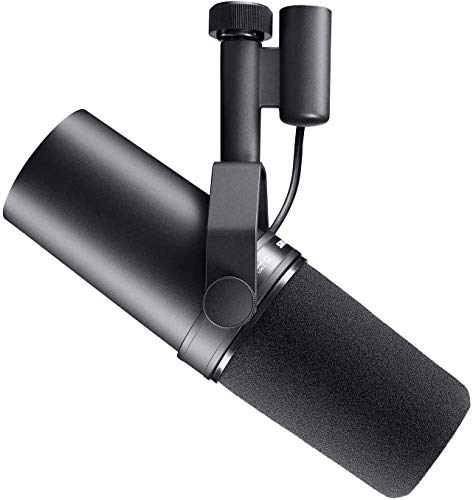
Shure SM7B Review Summary
If you want a microphone that delivers warm, polished, close-mic vocal sound with excellent room-noise rejection, the Shure SM7B Microphone is one of the safest buys in the category.
It is especially strong for podcasters, streamers, broadcasters, and voiceover creators who want a studio-style result and already use, or plan to use, an audio interface or mixer.
The main reason people choose the Shure SM7B Microphone is not hype; it is consistency.
It gives voices a finished, broadcast-ready character without sounding harsh, and its dynamic design helps keep untreated rooms from dominating recordings.
That makes it a smart pick for creators who care more about usable, professional audio than about the convenience of a simple USB mic.
Scorecard
| Category | Score | Why it matters |
|---|---|---|
| Vocal sound quality | 10/10 | Warm, balanced, and clear for speech, singing, and voiceover work. |
| Noise rejection | 9/10 | Cardioid pickup, shielding, and isolation reduce room and handling noise. |
| Broadcast and podcast performance | 10/10 | Built for close-mic voice capture with built-in pop control. |
| Build quality | 9/10 | Rugged all-metal construction feels professional and durable. |
| Setup and gain requirements | 7/10 | Great results need plenty of clean gain and a proper interface. |
| Accessory value | 8/10 | Includes useful windscreens and a locking yoke mount. |
Bottom line: the Shure SM7B Microphone is a premium choice for serious voice work, but it is not the easiest beginner mic.
If you want broadcast-quality sound and can support it with the right preamp or interface, it remains one of the best-known options in its class.
Key Features and Specifications of Shure SM7B
The Shure SM7B Microphone is a dynamic XLR microphone with a cardioid, unidirectional pickup pattern.
That combination is a major reason it performs so well in less-than-perfect rooms: it focuses on what is directly in front of the mic while rejecting unwanted sound from the sides and rear.
| Specification | Details |
|---|---|
| Brand | Shure |
| Model | SM7B |
| Microphone type | Dynamic |
| Connectivity | XLR |
| Polar pattern | Unidirectional / cardioid |
| Impedance | 150 ohms |
| Frequency response | 50 Hz to 20,000 Hz |
| Signal-to-noise ratio | 60 dB |
| Audio channels | 1 |
| Material | Metal |
| Color | Charcoal gray |
| Power | No phantom power required |
| Included components | Close-talk windscreen, foam windscreen, locking yoke mount |
| Special feature | Shielding |
Those numbers tell a clear story.
The 50 Hz to 20,000 Hz response covers the full vocal range without exaggerated top-end brightness, and the dynamic design supports that familiar smooth, broadcast-style tone.
The mic’s advanced electromagnetic shielding helps cut down interference, while the air suspension shock isolation reduces vibration noise from desk bumps and stand movement.
Just as important, the Shure SM7B Microphone does not require phantom power.
That keeps the setup cleaner and makes it easy to pair with a mixer or interface that has the right gain structure.
Still, it is not a “plug it in and forget it” microphone.
The output is low enough that a weak interface can leave you fighting noise floor and needing extra gain.
The included accessories are practical rather than flashy.
The locking yoke mount helps secure positioning, and the two windscreens support both close-talk and foam-based use cases.
For buyers, that means fewer immediate add-ons compared with many studio microphones.
Pros and Cons of Shure SM7B
Before you decide whether the Shure SM7B Microphone belongs on your desk or in your studio, it helps to look at the Shure SM7B Microphone pros and cons in practical terms.
- Excellent warm, polished vocal sound that flatters speech and voiceovers.
- Strong rejection of room noise and handling noise, especially in untreated spaces.
- Built-in pop control and wind protection for better close-mic recording.
- Durable all-metal studio construction made for long-term use.
- Useful included accessories help you get started quickly.
- Strong fit for podcasting, streaming, and broadcast work.
- Needs plenty of clean gain to perform at its best.
- XLR setup is less simple than USB microphones for beginners.
- Usually requires an interface or preamp, which can add cost and complexity.
The biggest upside is the sound.
The biggest drawback is the ecosystem around it.
If you already have a capable interface, the mic feels like a professional upgrade.
If you do not, the total buy-in can feel more involved than expected.
Who Should Buy Shure SM7B?
The Shure SM7B Microphone is a strong fit for buyers who want a classic studio voice and are comfortable with XLR gear.
It is particularly well suited to:
- Podcasters who want a rich, consistent voice tone.
- Streamers who need good isolation from room noise and keyboard noise.
- Broadcasters and live presenters who prefer a polished, controlled vocal sound.
- Voiceover creators working in home studios.
- Singers and music producers looking for a versatile dynamic mic with a smooth response.
You should probably skip it if you want the simplest possible setup, plan to connect directly to a computer with no interface, or prefer a bright, airy condenser sound.
The Shure SM7B Microphone is not a beginner-friendly “instant results” microphone; it rewards users who understand gain staging and mic technique.
Best buyer fit: creators who prioritize broadcast quality over convenience.
How the SM7B Sounds on Voice and Speech
Sound is the reason the Shure SM7B Microphone remains such a popular reference point.
On voice, it tends to produce a smooth, warm, authoritative tone with a controlled top end.
That means sibilance is often less aggressive than on many condenser microphones, and voices usually come through with a polished, present quality that sits well in podcasts, narration, and stream commentary.
The mic’s close-mic behavior is one of its defining strengths.
Used properly, the Shure SM7B Microphone can add body to thinner voices and keep fuller voices sounding focused rather than boomy.
The cardioid pattern and proximity effect can work in your favor, but they also mean placement matters.
If you get too close without adjusting, bass can build up.
If you move too far away, the sound can become thinner and the room starts to matter more.
For spoken-word work, that tradeoff is usually worth it.
The mic’s reputation comes from its ability to make regular rooms sound more controlled than they actually are.
That is a major buyer advantage if your room is not professionally treated.
SM7B Setup, Gain, and Interface Pairing
This is where the Shure SM7B Microphone separates serious buyers from casual ones.
The mic is easy to mount and position, but it can be demanding on the electronics behind it.
Since it is an XLR dynamic microphone with a relatively low output, it benefits from substantial clean gain.
That means your audio interface or mixer matters almost as much as the microphone itself.
A weak preamp may introduce hiss when pushed hard, while a better interface can let the mic open up properly.
For many buyers, this is the hidden cost of the SM7B category: not the microphone alone, but the signal chain it expects.
Best setup approach:
- Use a quality XLR interface or mixer with strong gain.
- Keep the mic close to your mouth for a healthy signal-to-noise ratio.
- Use proper gain staging instead of cranking the preamp to the limit.
- Position the mic slightly off-axis if you want to reduce plosives and harsh consonants.
If you already own a solid interface, the Shure SM7B Microphone becomes much easier to recommend.
If you do not, alternatives with built-in amplification or higher output may be more practical.
Included Accessories and Mounting Options
Shure gives the Shure SM7B Microphone a sensible accessory package.
The included close-talk windscreen and foam windscreen are not just extras; they are part of how the mic is intended to be used.
This is a voice microphone that expects close working distance, and the windscreens help control plosives and breath noise during that style of use.
The locking yoke mount is another useful inclusion because the mic is relatively substantial and should be positioned securely.
In practice, that makes desk or boom-arm mounting more stable than a bare-bones package would.
The air suspension design also helps reduce handling noise, which matters for creators who move the mic around during sessions.
Design choice that works: the SM7B is built like a serious studio tool rather than a desktop gadget.
That is why it feels dependable, but it also means it is not trying to be compact, lightweight, or simplified for casual use.
SM7B for Podcasting vs Streaming vs Studio Recording
The Shure SM7B Microphone is versatile, but it shines differently depending on the job.
Podcasting: This is arguably the mic’s strongest use case.
It supports a consistent voice tone, handles close speech well, and rejects room clutter better than many alternatives.
If multiple hosts are on separate mics, the SM7B can create a very polished, repeatable result.
Streaming: The mic is excellent for streamers who want a premium voice without needing a fully treated room.
It also helps reduce pickup from keyboard clicks, monitor bleed, and general room activity.
The downside is that the setup can be more demanding than a USB stream mic.
Studio recording: For vocals and voiceover, the Shure SM7B Microphone offers a smooth and usable tone, especially when you want a controlled sound rather than a highly detailed condenser capture.
It is not the only studio choice, but it is a proven one.
For buyers comparing categories, this is where the mic sits: it is less convenient than USB options, but often more forgiving and more professional-sounding once it is set up correctly.
Alternatives to Consider Before You Buy
If you are comparing the Shure SM7B Microphone with other popular Amazon options, these alternatives are worth a look:
- Shure MV7X — a simpler podcast-focused XLR option that is easier to approach for voice work without the full SM7B buy-in.
- Shure MV7+ — a flexible USB-C/XLR microphone for buyers who want more convenience and fewer setup hurdles.
- Shure SM7dB — a close cousin with a built-in preamp that can solve some gain problems.
- Rode PodMic — a lower-cost broadcast-style dynamic mic to consider if you want strong spoken-word performance for less complexity.
If your priority is maximum convenience, the MV7 family may be a better fit.
If your priority is the most proven broadcast-style voice result and you have the right interface, the Shure SM7B Microphone still stands out.
Is Shure SM7B Worth It?
So, is Shure SM7B Microphone worth it?
For the right buyer, absolutely.
It is one of the best-known dynamic microphones for a reason: it delivers a finished, professional vocal sound, rejects unwanted room noise extremely well, and feels built for real studio work rather than casual desk recording.
That said, it is only worth it if you can support it properly.
The Shure SM7B Microphone performs best when paired with a capable interface or preamp and used with good mic technique.
If you are willing to handle that setup, you get a microphone that can serve as a long-term voice tool for podcasting, streaming, broadcasting, and recording.
Final verdict: buy the Shure SM7B Microphone if you want a dependable, broadcast-style dynamic mic and care most about voice quality.
Skip it if you need an easy USB solution or do not want to invest in the gear needed to let it sound its best.