The best laptops for video editing combine a strong processor, enough memory, fast storage, and a display you can trust for reviewing footage. The right choice depends on whether you edit occasional clips, produce 4K content, or need workstation-class performance for demanding timelines.
We selected 10 models across Windows and macOS, covering creator laptops, mobile workstations, budget-friendly systems, and general-purpose machines that can handle lighter editing workloads.
Best 10 Laptops for Video Editing Picks for 2026
Best Color-Critical Pick
ASUS ProArt StudioBook 16 OLED

- 3.2K OLED display with 100% DCI-P3 coverage
- Core i9 processor and RTX 4060 graphics
- Creator-focused ASUS Dial and broad connectivity
Best For: Color-sensitive video editing and creative workflows
Best Workstation Pick

- Professional RTX 2000 Ada graphics with 8GB VRAM
- 32GB CAMM memory and 1TB NVMe storage
- Supports up to four external 4K displays
Best For: Professional editing and workstation-oriented workflows
Best Portable Mac
Apple MacBook Air 13-inch with M5

- About 2.71 pounds with up to 18 hours of battery life
- M5 chip with unified memory and Neural Accelerators
- Liquid Retina display with support for 1 billion colors
Best For: Mobile editing, students, and everyday creative work
Best Budget Multitasker
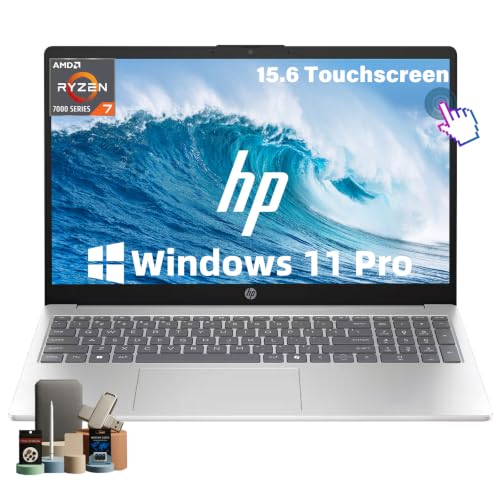
- 32GB RAM and 1TB NVMe SSD
- Ryzen 7 processor with 8 cores and 16 threads
- 15.6-inch Full HD touchscreen and Windows 11 Pro
Best For: Light editing, schoolwork, and general multitasking
Budget Big-Screen Pick
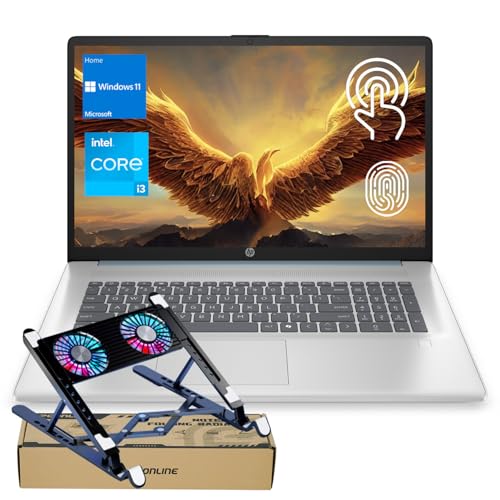
- 16GB RAM and 512GB NVMe SSD
- Large 17.3-inch anti-glare display
- Best for basic editing and multitasking
Best For: Beginners who want a large, affordable Windows laptop
Creator Performance Pick

- Eight-core Ryzen 7 with Radeon 780M graphics
- 16GB DDR5 RAM and 1TB SSD
- USB4, HDMI 2.1, and upgradeable storage
Best For: Creators needing strong multitasking and flexible connectivity
Full HD Value Pick

- 17.3-inch Full HD anti-glare screen
- Ryzen 5 processor with 512GB SSD
- Windows 11 Pro and useful connectivity
Best For: Students and home editors working on basic projects
Best Expandable Creator Laptop
NIMO Ryzen 7 AI Creator Laptop

- Ryzen 7 8745HS with Radeon 780M graphics
- 1TB PCIe 4.0 SSD for 4K media storage
- RAM, SSD, and USB4 expansion options
Best For: Creators seeking storage and upgrade flexibility
Best Budget Student Editor

- 16GB RAM for responsive everyday multitasking
- 15.6-inch Full HD IPS anti-glare display
- Upgradeable RAM and SSD storage
Best For: Students and casual creators editing lighter projects
Best Lightweight Ryzen 7 Editor

- Eight-core Ryzen 7 for 1080p and 4K timelines
- Lightweight 3.8-pound design with 100W charging
- Extensive ports and expandable DDR5 and SSD storage
Best For: Mobile creators needing processing power and connectivity
Best Color-Critical Pick – ASUS ProArt StudioBook 16 OLED
For creators seeking laptops for video editing, the ASUS ProArt StudioBook 16 combines a powerful Core i9 processor and RTX 4060 graphics with a high-resolution OLED touchscreen. Its color-focused display, fast storage, and creator-oriented controls make it a strong choice for editing workflows.
Best For: Video editors, photographers, and creators who prioritize display quality, color accuracy, and GPU performance.
Pros:
- 3.2K OLED touchscreen with 100% DCI-P3 coverage, Pantone validation, and Delta E <2.
- Core i9-13980HX processor and RTX 4060 GPU with 8GB GDDR6 VRAM.
- Includes Thunderbolt 4, HDMI 2.1, an SD Express card reader, and an ASUS Dial for workflow controls.
- 16GB DDR5 RAM and 1TB PCIe 4.0 SSD are listed as upgradeable.
Cons:
- At about 5.3 pounds, it is less convenient for frequent travel than an ultraportable.
- The stylus is sold separately.
This is one of the most editing-focused options in the group, particularly for users who need a color-accurate built-in screen. Its size and weight are the trade-offs for the stronger workstation-style hardware.
Best Workstation Pick – Dell Precision 7680
The Dell Precision 7680 is a workstation-class option among laptops for video editing, pairing an Intel Core i7-13850HX processor with professional NVIDIA RTX 2000 Ada graphics. Its 32GB CAMM memory, business features, and extensive display connectivity suit demanding professional environments.
Best For: Professional editors, engineers, designers, and technical users who need workstation features and multiple external displays.
Pros:
- NVIDIA RTX 2000 Ada GPU provides dedicated professional graphics with 8GB GDDR6 memory.
- 32GB DDR5 CAMM RAM and a 1TB PCIe NVMe SSD support demanding multitasking.
- Can connect up to four external 4K displays at 60Hz without a docking station.
- Includes Windows 11 Pro, ISV certifications, MIL-STD-810H testing, and a numeric keypad.
Cons:
- The 16-inch FHD+ display is listed at 45% NTSC, making it less suited to color-critical work than a wide-gamut panel.
- At about 5.9 pounds, it is relatively heavy for mobile editing.
- The computer has been resealed for an SSD upgrade, with separate warranty coverage disclosed for the upgraded SSD.
The Precision 7680 emphasizes professional expandability, graphics certification, and connectivity rather than a premium built-in color panel. Editors who work with external reference displays may find its workstation design especially practical.
Best Portable Mac – Apple MacBook Air 13-inch with M5
The 2026 MacBook Air with M5 is a lightweight option for video editors who value portability, battery life, and a sharp display. Its 16GB unified memory, 512GB SSD, and macOS workflow make it well suited to everyday editing and content creation, though it is not presented as a dedicated workstation.
Best For: Students, mobile creators, and editors who need a light laptop for everyday projects, classes, and travel.
Pros:
- Weighs about 2.71 pounds and is rated for up to 18 hours of battery life.
- M5 chip provides fast CPU performance, a next-generation GPU, and Neural Accelerators for AI features.
- 13.6-inch Liquid Retina display supports 1 billion colors.
- Includes two Thunderbolt 4 ports, Wi-Fi 7, a 12MP Center Stage camera, and support for up to two external displays.
Cons:
- Its 512GB SSD offers less listed storage than the 1TB alternatives in this roundup.
- The supplied specifications do not identify a dedicated graphics card.
- The 13.6-inch screen provides less workspace than the 16-inch editing-focused models.
This MacBook Air is the most travel-friendly choice here and should appeal to editors who prioritize mobility over maximum workstation graphics. Consider external storage or displays if projects are large or screen space is important.
Best Budget Multitasker – HP 15.6-inch Ryzen 7 Laptop
The HP 15.6-inch touchscreen laptop is a practical entry-level choice for buyers comparing laptops for video editing on a budget. It offers 32GB of RAM and a 1TB SSD for handling multiple applications and storing projects, while its integrated Radeon graphics make it better suited to lighter editing than demanding effects-heavy work.
Best For: Students, office users, and casual editors working on lighter projects and general multitasking.
Pros:
- 32GB RAM and a 1TB NVMe SSD provide generous memory and storage for everyday workflows.
- Ryzen 7 7730U has 8 cores and 16 threads for multitasking.
- 15.6-inch Full HD IPS touchscreen offers wide viewing angles and touch control.
- Includes Windows 11 Pro, Wi-Fi 6, HDMI 1.4, a numeric keypad, and a privacy camera shutter.
Cons:
- Integrated AMD Radeon graphics are less suited to demanding video effects and intensive rendering than the dedicated GPUs in this roundup.
- The display is listed at 300 nits and 45% color gamut, limiting its suitability for color-critical editing.
- Its listed battery life is up to 10.75 hours, below the MacBook Air’s stated maximum.
The HP makes the most sense when memory, storage, and everyday productivity matter more than high-end editing acceleration. For professional 4K timelines or advanced effects, a dedicated-GPU model would be a stronger fit.
Budget Big-Screen Pick – HP 17 with Core i3
If you want an affordable entry point among laptops for video editing, this HP combines a roomy 17.3-inch display with 16GB of RAM and a 512GB SSD. Its integrated Intel UHD Graphics and HD+ resolution make it better suited to basic editing, school projects, and light creative work than demanding professional timelines.
Best For: Beginners who value a large screen, generous memory, and straightforward Windows 11 productivity.
Pros:
- 16GB RAM supports multitasking across editing software and browser tabs.
- 512GB PCIe NVMe SSD provides quick boot and data transfers.
- Large 17.3-inch anti-glare display and HDMI output are useful for desk-based workflows.
Cons:
- 1600×900 resolution gives less editing workspace than a Full HD display.
- Integrated Intel UHD Graphics and the Core i3 processor are limiting for demanding video projects.
- At 4.6 pounds, it is less portable than smaller laptops.
This HP is a practical starter machine for simple cuts, exports, and general use, but creators working with high-resolution footage or complex effects should consider a model with stronger graphics hardware.
Creator Performance Pick – NIMO Ryzen 7 AI Laptop
The NIMO is one of the more capable laptops for video editing in this group, pairing an eight-core Ryzen 7 8745HS processor with Radeon 780M graphics, 16GB of DDR5 memory, and a 1TB SSD. It is positioned for creators who need stronger multitasking, fast storage, and flexible connectivity without moving to a dedicated graphics laptop.
Best For: Students, professionals, and remote creators editing video, streaming, or running demanding creative applications.
Pros:
- Ryzen 7 8745HS and Radeon 780M graphics target demanding creative software and light gaming.
- Fast 16GB DDR5-5600 RAM and spacious 1TB PCIe SSD support large projects and quick app switching.
- USB4, HDMI 2.1, Micro SD, and dual M.2/SODIMM expansion options suit studio setups.
- Includes a 2-year hardware warranty and 90-day return policy according to the supplied notes.
Cons:
- Integrated Radeon graphics may not match a laptop with a dedicated GPU for intensive effects or 4K workloads.
- The 15.6-inch display is smaller than the 17.3-inch alternatives in this roundup.
With its stronger processor, faster memory, larger SSD, and upgrade path, the NIMO is the most creator-focused option here. Its integrated graphics still make it a better fit for light-to-moderate editing than highly intensive professional production.
Full HD Value Pick – HP 17 Ryzen 5
This HP 17 offers a practical balance for shoppers comparing laptops for video editing, with a spacious 17.3-inch Full HD anti-glare screen, a Ryzen 5 7520U processor, and a 512GB SSD. Its integrated Radeon graphics and 8GB of RAM make it most appropriate for everyday editing, streaming, and productivity rather than complex effects-heavy work.
Best For: Students and home users who want a large Full HD workspace for basic editing and general computing.
Pros:
- 17.3-inch 1920×1080 anti-glare display provides a useful editing workspace.
- 512GB PCIe NVMe SSD helps with startup speed and project storage.
- Windows 11 Pro, Wi-Fi 6, Bluetooth 5.3, HDMI, and a numeric keypad add practical versatility.
- Includes a physical camera shutter plus a mouse and tablet stand in the supplied configuration.
Cons:
- 8GB RAM is less headroom for video editing multitasking than the 16GB alternatives.
- Integrated Radeon graphics are not designed for the most demanding production workloads.
- The 17.3-inch chassis is relatively bulky for frequent travel.
The Full HD panel makes this HP more comfortable for timeline work than the HD+ model, but the limited memory and integrated graphics suggest keeping projects moderate or planning for a lighter editing workflow.
Best Expandable Creator Laptop – NIMO Ryzen 7 AI Creator Laptop
For shoppers comparing laptops for video editing, this NIMO model stands out for its Ryzen 7 8745HS processor, Radeon 780M integrated graphics, and fast 1TB SSD. It is a capable choice for 4K media storage, mainstream creative software, and multitasking, with upgrade room for heavier future workloads.
Best For: Creators who want strong integrated graphics, generous storage, and flexible RAM and SSD expansion.
Pros:
- Ryzen 7 8745HS and Radeon 780M graphics support creative software, 3D rendering, and 1080p gaming.
- 1TB PCIe 4.0 SSD provides useful space for 4K media files and fast program loading.
- RAM can be upgraded to 64GB, with dual SSD slots and USB4 for future expansion.
- 100W USB-C PD charging and a 180-degree hinge add travel and collaboration flexibility.
Cons:
- Integrated graphics may be less suitable than a dedicated GPU for especially demanding professional video workloads.
- The supplied notes do not specify display color-gamut or color-accuracy ratings.
This is the most forward-looking option of the three for creators who value storage and upgradeability. Its integrated Radeon graphics are practical for everyday editing and rendering, while USB4 leaves open the possibility of adding an external GPU later.
Best Budget Student Editor – NIMO Ryzen 5 Student Laptop
This affordable NIMO is a practical entry point among laptops for video editing, especially for students working with 1080p projects and basic content creation. Its 16GB of RAM, Full HD IPS display, and upgradeable storage prioritize everyday responsiveness without the cost of a higher-end creator machine.
Best For: Students and casual creators handling coursework, multitasking, and lighter video projects.
Pros:
- 16GB RAM helps keep browser tabs, spreadsheets, video calls, and editing applications responsive.
- Full HD IPS anti-glare display offers useful workspace for timelines and split-screen tasks.
- Upgradeable RAM and SSD allow storage and memory to grow over time.
- Fingerprint login, USB-C charging, HDMI, and microSD support suit mobile study and content workflows.
Cons:
- The Ryzen 5 3501U is a four-core processor better suited to lighter editing than demanding 4K production.
- The included 256GB SSD may fill quickly with video files before expansion.
Choose this model when portability, affordability, and routine multitasking matter more than fast professional renders. The expandable storage is particularly helpful for beginners who want to start with a modest setup and add capacity later.
Best Lightweight Ryzen 7 Editor – NIMO Ryzen 7 Creator Laptop
For buyers seeking laptops for video editing with a balance of processing power and portability, this NIMO pairs an eight-core Ryzen 7 7735HS with DDR5 memory and a slim 3.8-pound design. It is positioned for 1080p and 4K timeline work, while its expandable storage helps offset the initially small SSD.
Best For: Mobile creators and professionals who need strong multitasking performance and broad connectivity.
Pros:
- Eight-core, 16-thread Ryzen 7 performance is suited to 1080p/4K timelines, rendering, and demanding multitasking.
- 16GB DDR5 RAM and dual SO-DIMM slots provide speed now and upgrade potential later.
- Lightweight 3.8-pound chassis, 100W PD charging, and a 180-degree hinge support mobile work.
- HDMI 2.0, USB 3.2, dual USB-C, microSD, and audio ports reduce the need for dongles.
Cons:
- The 256GB SSD offers limited room for large video libraries without expansion or external storage.
- The supplied notes do not identify a dedicated graphics processor or professional color-accuracy specification.
This is the strongest processing-focused pick for creators who frequently work away from a desk. Its Ryzen 7 chip and DDR5 memory are well matched to editing and multitasking, but plan on expanding the SSD if you regularly keep source footage locally.
How We Picked the Best Laptops for Video Editing
We evaluated these laptops by comparing the hardware most directly tied to editing performance: CPU class, graphics capability, memory, storage, display quality, portability, and upgrade potential. We also considered workflow fit. A laptop with a dedicated GPU is generally better for effects, color work, and export acceleration, while an efficient integrated-graphics system may be a better value for short-form or 1080p projects.
Specifications can vary by configuration, so verify the exact memory, storage, display, and operating-system details before purchasing. Professional software requirements also change over time.
Quick Comparison
| Best For | What to Prioritize | Strongest Fit in This Roundup |
|---|---|---|
| Professional 4K editing | High-end CPU, dedicated GPU, 32GB or more memory | ASUS ProArt StudioBook 16 or Dell Precision 7680 |
| Portable editing | Efficient processor, long battery life, quality display | Apple MacBook Air with M5 |
| Budget 1080p projects | 16GB memory, SSD storage, modern Ryzen processor | NIMO Ryzen 7 creator models |
| Basic clips and schoolwork | SSD, usable memory, low overall cost | HP and NIMO entry-level configurations |
Key Buying Factors for Laptops for Video Editing
Processor and GPU
Video editing benefits from multiple CPU cores, high sustained performance, and hardware-accelerated encoding. A dedicated NVIDIA GPU can improve playback and rendering in effects-heavy applications. Integrated graphics are suitable for simpler timelines, especially when working in 1080p.
Memory and Storage
Choose at least 16GB of RAM for comfortable editing. Heavy 4K work, large projects, and multitasking are better served by 32GB or more. An SSD is essential for fast application launches and responsive media access; 1TB is more practical than 256GB when storing source footage locally.
Display, Ports, and Cooling
A sharp, color-accurate display helps with framing and basic grading. OLED panels can provide excellent contrast, but check calibration and brightness. Also look for USB-C, fast USB ports, HDMI, card-reader access, and effective cooling. Powerful laptops may be faster but heavier and louder under sustained loads.
Who Should Buy Which Laptops for Video Editing?
Choose a Creator Workstation for Demanding Projects
Editors working with 4K footage, multicamera timelines, motion graphics, or frequent exports should favor the ASUS ProArt StudioBook 16 or Dell Precision 7680. Their higher-performance processors, dedicated graphics, and workstation-oriented designs are better suited to sustained workloads.
Choose the MacBook Air for Portability
The MacBook Air with M5 is a strong option for editors who value a compact design, quiet operation, and an efficient platform for everyday video work. Confirm that your preferred editing tools and plug-ins support macOS and Apple silicon.
Choose a Ryzen Creator Laptop for Value
The NIMO Ryzen 7 systems offer a practical middle ground for students, freelancers, and content creators handling 1080p or lighter 4K projects. Prioritize the configuration with 16GB memory and 1TB storage when possible.
Choose an HP Entry-Level Model for Basic Editing
HP’s larger-screen and mainstream configurations are most appropriate for trimming clips, creating presentations, editing short social videos, and learning editing software. They are less suitable for complex effects, long 4K timelines, or frequent professional exports.